
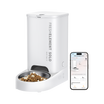
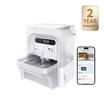
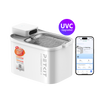
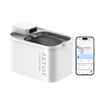
Quick Answer: If you scoop your cat’s litter every day, you know the routine: dealing with unpleasant odors, emptying the waste bin, replacing bags, and tying them up without making a mess.
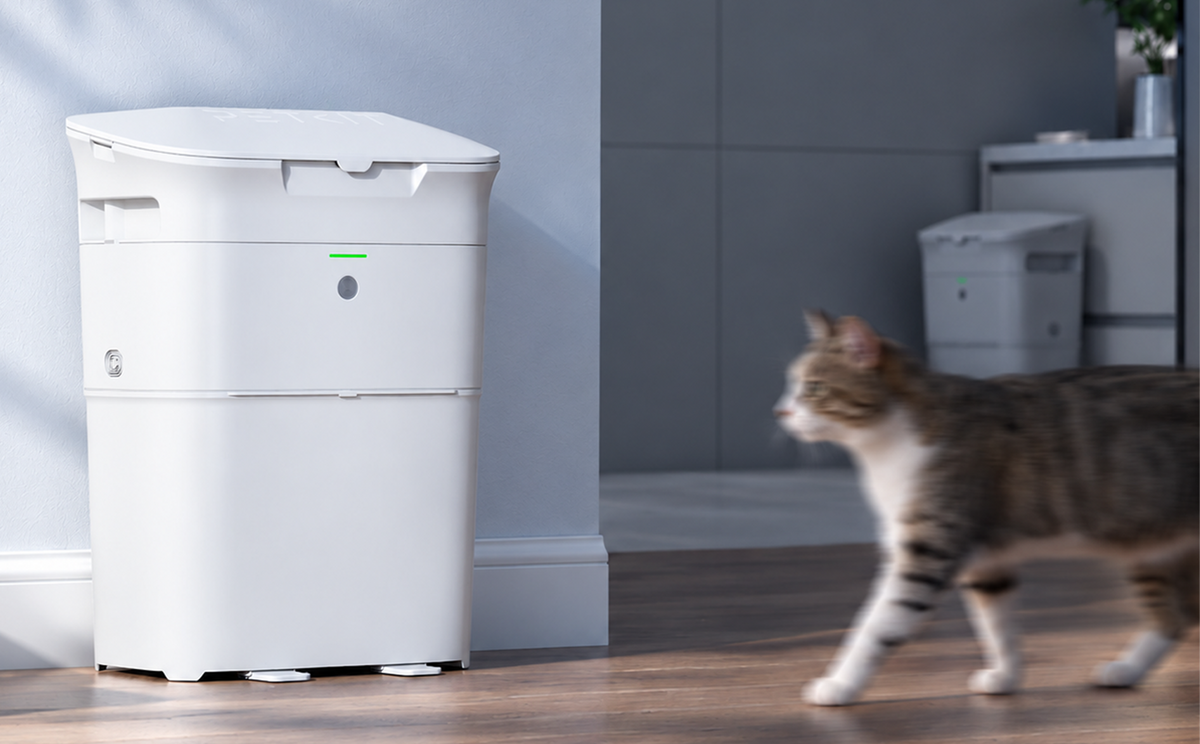
The PETKIT AutoSeal Cat Litter Disposal System is worth considering if you want a cleaner, more convenient way to manage used cat litter.
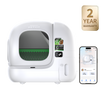
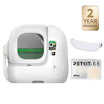
Designed to simplify everyday litter disposal, it features a 285 mm wide-mouth opening, a three-part odor-containment design, a 2L pre-storage, and an 8L waste bin. Its heat-seal technology closes off the filled section of the liner with a single press of the lever.
According to PETKIT’s stated product specifications, the 8 L waste bin can hold about 15days’ worth of waste for a single cat. The lid, auto-sealing door, and heat-sealed liner work together to keep collected waste contained and help limit odor escape between scooping sessions.
For cat owners who scoop daily and want a more convenient, contained disposal process, it offers a practical alternative to ordinary trash cans and manually tied waste bags.
Why Does Used Cat Litter Develop an Unpleasant Smell?
Cat litter odors can come from several sources, including urine, feces, moisture, and the microbial breakdown of waste.One important source is ammonia. Bacteria break down nitrogen-containing compounds in cat urine, including urea, producing ammonia as part of the process. As waste remains in a bin, odors can gradually build up.
Several environmental factors can make the problem worse:
- Temperature: Warmer conditions can accelerate microbial activity and increase odor development.
- Humidity: Moist conditions can encourage microbial growth and make waste harder to keep dry.
- Ventilation: Poor airflow can allow unpleasant odors to linger around the litter area.
- Storage time: The longer waste remains in a container, the more time odors have to build up.
This is why a waste bin that seems manageable in winter may become much more noticeable during hot or humid weather.
Daily scooping helps keep the litter box clean, but it does not automatically solve the odor problem. If used litter is stored in an inadequately sealed container, unpleasant smells can still escape between cleanouts.
The key is to manage waste promptly and keep it securely contained.
Can Cat Litter Odors Affect Indoor Comfort and Health?
Ammonia can irritate the eyes, nose, throat, and respiratory tract when airborne concentrations are sufficiently high. People with asthma or other respiratory sensitivities may be particularly vulnerable to irritants.
However, the presence or intensity of a smell alone cannot establish the actual ammonia concentration or determine whether a specific environment poses a health risk.
For households with children, older adults, or people with respiratory sensitivities, good litter hygiene is an important part of maintaining a comfortable indoor environment.
Practical measures include:
- Removing waste regularly.
- Keeping the litter box and disposal area clean.
- Using a waste bin with an effective sealing system.
- Maintaining appropriate ventilation.
- Following the manufacturer's cleaning and maintenance instructions.
A sealed cat litter disposal system can help limit odor escape, but it should complement regular cleaning and ventilation rather than replace them.
Why Do Cats Refuse to Use a Dirty Litter Box?
A clean litter box matters for more than household hygiene. It can also influence a cat’s willingness to use the box.
Research published in Behavioural Processes by Ellis and colleagues in 2017 examined cats’ litter box use and preferences. This research is relevant to the broader observation that cats can be sensitive to the cleanliness of their toileting environment.
When waste remains in a litter box, some cats may be less willing to use it. This can be particularly important in multi-cat households, where several cats may share litter boxes.
Regularly removing waste is therefore an important part of litter box management. Deodorizing a room or masking unpleasant smells is not a substitute for physically removing soiled litter.
It is also useful to distinguish between two separate tasks:
- Litter box maintenance: Keeping the litter itself clean and removing waste from the box.
- Waste disposal: Storing and sealing the removed waste until it is ready to be discarded.
Three Ways to Dispose of Used Cat Litter
Cat owners generally have three options for handling scooped litter. The main difference is how effectively the waste is contained and how much manual work is required.
Option 1: An Open Trash Can or Unsealed Bag
This is the simplest and often cheapest approach. Used litter is placed directly into an ordinary trash can or plastic bag.
The drawback is that there is little protection against odors escaping while the waste is stored. Owners may need to empty the container frequently, and the surrounding area can become unpleasant if waste is left inside for too long.
For people who scoop multiple times a day, this approach may become inconvenient.
Option 2: A Manually Sealed Cat Waste Bin
A manually sealed bin may have a lid, drawstring bag, or other closure mechanism.
It offers more containment than an open trash can, but the final seal depends partly on how the user closes the bag. A loose knot or an incompletely tightened drawstring may leave openings through which odors can escape.
Manual sealing can work well when performed correctly. However, it adds another step to an already repetitive daily chore.
Option 3: An Automatic Litter Disposal System
A litter disposal system such as PETKIT AutoSeal Cat Litter Disposal System is designed to handle what comes after scooping, using heat-seal technology instead of a hand-tied knot.
This makes bag sealing more convenient and helps provide a more consistent closure.
For households that scoop litter frequently, the combination of waste containment and simplified sealing can make daily maintenance easier.
Automatic Heat-Sealing vs. Manual Bag Tying: Which Is Better?
The main difference is how the waste bag is closed.
With a manually tied bag, the result depends on the bag material, the way it is handled, and how securely the user ties it. With a heat-sealing system, the closure is created by the device’s sealing mechanism.
| Feature | Manual Sealing | PETKIT AutoSeal |
|---|---|---|
| Bag closure | Hand-tied knot or drawstring | Heat-sealed liner |
| User effort | Requires manual tying or tightening | A single press on the lever is all it takes |
| Odor containment | Depends on the bag, closure, and handling | Designed to keep waste contained and reduce odor escape |
| Opening size | Approximately 185 mm for the comparison model described | 285 mm, according to the stated product specification |
| Waste capacity | 2.5L upper section + 7L waste bin for the comparison model described | 2L upper section + 8L waste bin |
| Stated single-cat usage | Up to approximately 10 days for the comparison model described | Up to approximately 15 days in the stated product claim |
| Bag compatibility | Depends on the product | PETKIT AutoSeal Refill Ring Pro |
| Power | No power required for a conventional manual bin | Cordless design; confirm local battery and runtime specifications |
What Should You Look for in a Cat Litter Waste Bin?
Four factors are particularly useful when comparing cat litter disposal systems.
1. Opening Size
A wider opening makes it easier to transfer scooped litter into the container without having to aim carefully at a narrow target.
A narrow opening can make disposal more awkward, particularly when handling larger clumps or bulky scoops.
2. Sealing and Odor Control
Look beyond the presence of a lid. Consider how the system contains waste during storage, how it handles the transfer of waste between compartments, and how the bag is ultimately sealed.
For example, PETKIT’s AutoSeal system combines three key elements:
- A sealing lid
- An auto-sealing door
- PETKIT AutoSeal Refill Ring Pro
The lid seals the scooping area after each scoop. Beneath it, the auto-sealing door separates the scooping space from the 8 L bin, opening automatically to let collected waste drop through and then sealing shut again. When the bin is ready to be emptied, the filled section of the liner is closed with heat-seal technology, helping contain odors throughout the disposal process.
These features work together to reduce opportunities for unpleasant smells to escape.
3. Waste Capacity
A larger waste bin can reduce how frequently you need to empty it, although actual usage depends on the amount of waste produced.
4.Ease of Bag Sealing
Bag replacement and sealing are often the least pleasant parts of litter maintenance.
A system that requires manual tying adds an extra step and may result in inconsistent closure. A heat-sealing mechanism simplifies the process by sealing the bag through the device rather than requiring a hand-tied knot.
Why Is the PETKIT AutoSeal Cat Litter Disposal System Worth Considering?
1. A 285 mm Opening for Easier Waste Transfer
The 285mm wide-mouth opening makes it easier to scoop directly into the unit without litter spilling over the edge.
This can make the process more convenient and reduce the need to carefully align each scoop with a narrow opening.
2. A Three-Point Sealing System for Odor Containment
The system combines an odor-blocking lid seal, an auto-sealing door, and a heat-sealed liner.
Each plays a different role: the lid seals the scooping area after each scoop, the auto-sealing door separates that area from the 8 L bin and opens to transfer waste before sealing shut again, and the heat-sealed liner closes off the filled section when it is ready for disposal.
The overall design is intended to help limit odor escape during everyday use.
3. A 2 L Upper Compartment and an 8 L Waste Bin
The wide-mouth scooping area provides room to transfer waste, while the 8 L bin stores collected waste until disposal.
PETKIT states that the 8 L bin can hold up to approximately two weeks’ worth of litter waste for one cat.
Actual capacity will vary with the cat’s size, toileting frequency, litter type, and the amount of material collected.
4. Heat-Sealing Without Manual Knotting
With conventional waste bags, users need to tie a knot or tighten a drawstring before discarding the bag.
The AutoSeal uses a heat-sealing technology instead.
Users can seal the bag by operating the lever, without manually knotting, cutting, or tying it.
This reduces hands-on effort and makes bag closure more straightforward.
5. A Cordless Design for Flexible Placement
According to the product specifications, the AutoSeal is cordless and offers a claimed battery life of up to eight months per charge.
The cordless design allows more flexibility when positioning the unit near the litter box without depending on a nearby power outlet.
Who Is the PETKIT AutoSeal Best Suited For?
The system may be a good fit for several types of cat owners.
- People Who Scoop Litter Every Day
If you scoop daily, replacing and sealing waste bags becomes a repetitive chore. The AutoSeal simplifies what happens after scooping, with contained waste storage and heat-sealed technology instead of manual knot tying.
- People Who Are Sensitive to Litter Odors
The combination of an odor-blocking lid seal, an auto-sealing door, and a heat-sealed liner is designed to help contain waste odors. This may be particularly useful in homes where the litter area is close to living spaces.
- People Living in Apartments or Smaller Homes
In a compact living environment, litter odors can be more noticeable because the litter area may be close to the kitchen, bedroom, or living room.
A contained disposal system can help reduce odor escape, although regular waste removal and adequate ventilation remain important.
- People Who Prefer Flexible Placement
If the local product version supports the stated cordless design and battery life, the unit can be positioned according to the layout of the litter area rather than the location of a wall outlet.
- Multi-Cat Households
The system can also be considered for homes with multiple cats. However, the stated two-week usage estimate is based on a single-cat scenario.
More cats generally mean more waste, so the bin may need to be emptied more frequently.
Frequently Asked Questions
How Can I Reduce Odors From a Cat Litter Waste Bin?
Start by checking how frequently you remove waste and whether the container closes properly.
If odors persist, inspect the lid, bag closure, and any areas where waste or residue may have accumulated. Clean the container according to the manufacturer’s instructions.
A system with an enclosed waste compartment and a properly sealed bag can help reduce odor escape. The PETKIT AutoSeal combines a lid, an automatic internal door, and heat-sealed bags to help keep waste contained.
What Is the Best Way to Control Cat Litter Odors in an Apartment?
The most practical approach is to remove waste regularly, keep the litter box clean, and use a disposal container that helps contain odors.
In a smaller home, a sealed disposal system may help prevent waste odors from spreading into nearby living areas.
The PETKIT AutoSeal combines a 2 L upper compartment with an 8 L waste bin and an automatic heat-sealing mechanism. Its capacity may reduce the frequency of emptying, depending on the amount of waste produced.
Is an Automatic Bag-Sealing Bin Worth It if I Still Scoop Litter Manually?
It may be, particularly if you scoop every day and find bag tying or odor management inconvenient.
The AutoSeal does not replace manual scooping. Instead, it simplifies what happens after scooping by providing a dedicated place to collect waste and a heat-sealing mechanism to close the bag.
If your main frustration is handling and sealing used litter bags, this type of system may be worth considering.
Is the PETKIT AutoSeal Suitable for Multi-Cat Homes?
It can be used in multi-cat households, but the frequency of emptying will depend on how much waste the cats produce.
The stated usage estimate of up to approximately two weeks is based on a single cat.
For households with several cats, monitor the fill level and empty the bin as needed rather than relying on the single-cat estimate.
Does the AutoSeal Require Special Bags?
Yes. We recommend using the PETKIT AutoSeal Refill Ring Pro, a continuous liner roll made with 7-layer EVOH film technology for superior odor-blocking performance. Please note that using third-party liners may damage the sealing module and shorten the unit's lifespan. One roll is designed to last a single cat roughly five months.
Does Heat-Sealing Completely Eliminate Cat Litter Odors?
Heat-sealing helps close the waste bag and reduce the opportunity for odors to escape. The lid and auto-seal door provide additional containment.
However, odor control also depends on how much waste is collected, how long it remains in the bin, the condition of the bag, and the surrounding environment. No system should be described as guaranteeing zero odor under every condition.
For cat owners who scoop litter manually but want a more convenient and contained way to manage waste, the PETKIT AutoSeal Cat Litter Disposal System offers several useful features: a wide-mouth opening, a 2 L pre-storage section, an 8 L waste bin, an auto-sealing door, and AutoSeal Refill Ring Pro powered by heat-sealing technology.
Its main advantage is the way these features work together to simplify the disposal process and help keep collected waste contained.
It is particularly worth considering if your priorities are easier bag sealing, less hands-on handling, and better odor containment around the litter area.
The best choice ultimately depends on how often you scoop, how many cats you have, your available space, and how much convenience you want from your waste disposal routine.