
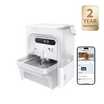
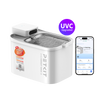
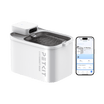
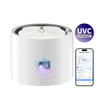
Cats are usually very picky, especially when it comes to water. However, long-term insufficient water intake may increase the risk of urinary tract and kidney health problems.
Compared with stagnant water bowls, automatic cat water fountains use flowing water, filtration systems, and continuous circulation to encourage cats to drink more actively. For first-time cat owners, choosing the right fountain properly can often help cats develop more stable hydration habits.
Why Do Cats Prefer Flowing Water?
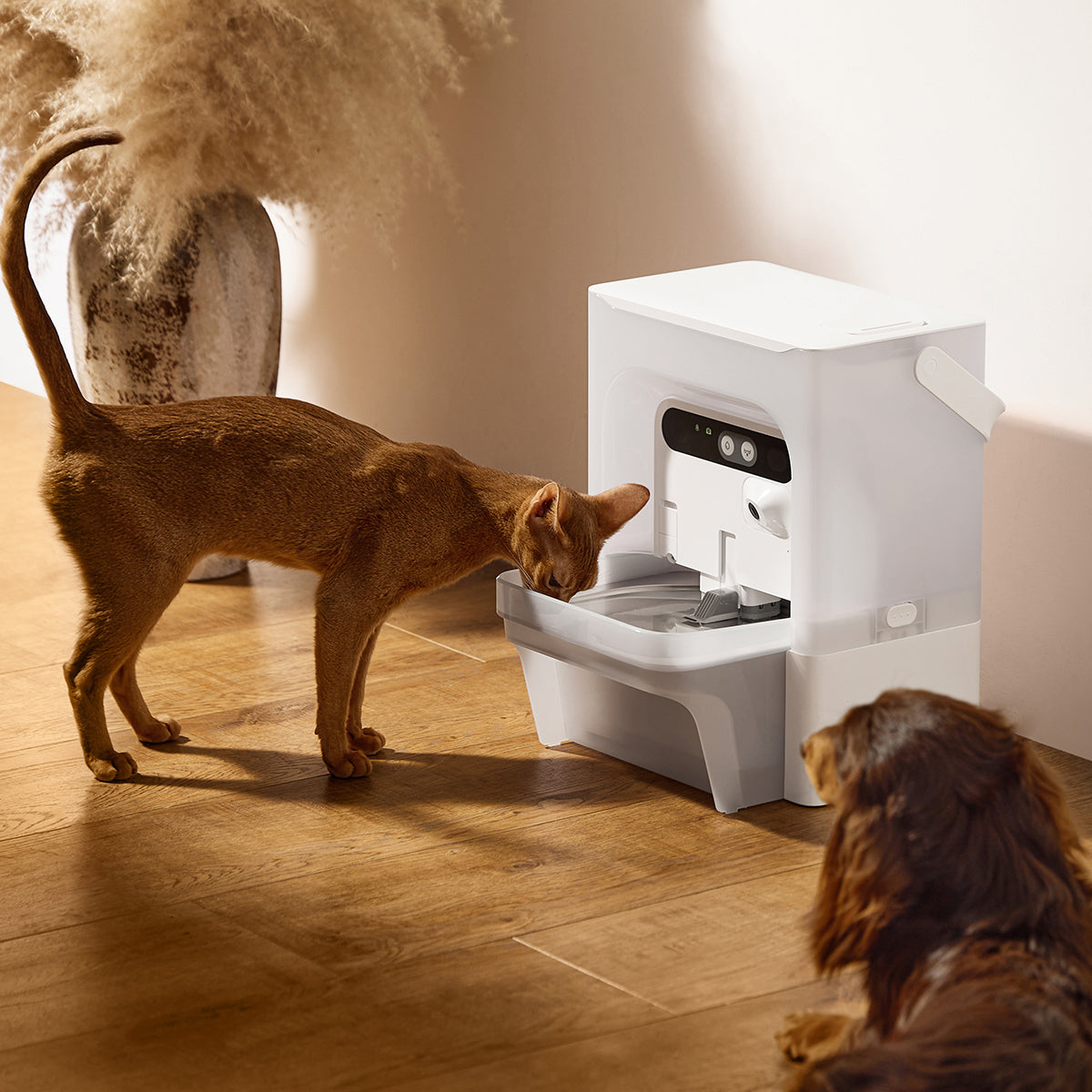
According to research from Cats Protection, many cats naturally prefer running water. Flowing water is instinctively perceived as fresher and less likely to be contaminated. Compared with still water bowls, fountains are usually more effective at stimulating cats to drink actively.
Compared with stagnant water bowls, automatic cat water fountains usually offer several advantages:
- Continuous water circulation attracts cats’ attention more easily
- Reduced odor in the water
- Filtration systems help reduce hair and debris
- Many cats drink more frequently as a result
Cat fountains are especially helpful for cats that mainly eat dry food, male cats, or senior cats.
How Much Water Should a Cat Drink Per Day?
Actually, adult cats generally need around 40–60ml of water per kilogram of body weight per day. Cats that mainly eat dry food usually require closer attention to their daily water intake.
A cat's daily hydration needs typically depend on body weight, diet structure, and activity level.
If cats mainly eat wet food, the food itself contains around 80% moisture, so their direct drinking amount may naturally decrease. However, dry cat food contains only around 10% moisture, making daily water intake much more important.
Signs Your Cat May Not Be Drinking Enough Water
Early dehydration in cats is often difficult to notice immediately. However, smaller urine clumps, licking faucets, constipation, and reduced energy levels are common warning signs.
Pay attention to the following symptoms:
- Rarely approaches the water bowl
- Noticeably smaller urine clumps
- Lower energy levels
- Constipation
- Sticky or dry mouth
- Frequently licking faucets
According to research from the College of Veterinary Medicine, long-term insufficient water intake may increase the risk of:
- Urinary tract problems
- Loss of appetite
- Lethargy
- In more severe cases, sunken eyes
If your cat consistently refuses to drink water or shows abnormal urination behavior, consult a veterinarian promptly.
Do Beginners Really Need a Cat Water Fountain?
If your cat naturally dislikes drinking water, mainly eats dry food, or lives in a multi-cat household, an automatic water fountain is usually more effective than a still water bowl.
For most first-time cat owners, a cat water fountain is a worthwhile investment. Fountains are especially helpful if your cat:
- Rarely drinks water voluntarily
- Likes licking faucets
- Mainly eats dry kibble
- Lives in a multi-cat household
- Is prone to urinary issues
The biggest advantage of a smart cat fountain is not only the smart features, but its ability to help cats build healthier and more consistent drinking habits.
Cat Water Fountain vs Still Water Bowl
| Comparison | Automatic Water Fountain | Still Water Bowl |
|---|---|---|
| Encourages drinking | Stronger | Average |
| Water freshness | Higher | Gets dirty easily |
| Filtration system | Yes | No |
| Maintenance frequency | Lower | Higher |
| Suitable for long hours away | More suitable | Less suitable |
| Multi-cat households | More convenient | Competition for water |
For long-term indoor cats, smart water fountains usually help maintain more stable hydration habits.
Which PETKIT Automatic Cat Water Fountain Is Best for Beginners?
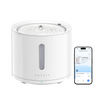
PETKIT EverSweet Solo SE: Best for First-Time Users
If this is your first smart cat water fountain or you only have 1–2 cats, the PETKIT EverSweet Solo SE is an easier entry-level option. Compared with more advanced models, Solo SE focuses on lightweight functionality and essential hydration needs.
Best suited for:
- First-time cat fountain users
- Single-cat or two-cat households
- Small apartments
- Budget-conscious users
- People who prefer simpler devices
The Solo SE uses a recirculating filtration system combined with activated carbon filters to help maintain clean water quality. Its low-noise design at around 25 dB is also suitable for noise-sensitive cats.
Although it does not include AI drinking-monitoring features, its 1.8L capacity is usually sufficient for households starting to build healthier hydration habits.
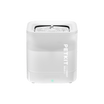
PETKIT EverSweet Max 2 (UVC): Best Balance of Capacity and Maintenance
If you have 2–3 cats or want to reduce frequent refilling and cleaning, the EverSweet Max 2 (UVC) is usually the more balanced choice.
Compared with entry-level models, it offers:
- Larger 3L capacity
- UVC sterilization system
- Basic app-based drinking data tracking
- Better long-term daily usability
- Dishwasher-safe
- 304 stainless steel water tray
The Max 2 uses a recirculating water system and supports UVC sterilization to help maintain fresher drinking water. It also features a detachable wireless water pump for easier cleaning.
Best suited for:
- Multi-cat households
- Owners who are away during the day
- Users wanting less frequent refilling
- People focused on water quality
- Users wanting smart features without AI camera recognition
For most cat owners, the Max 2 often provides the best balance between functionality, maintenance cost, and price.
PETKIT EverSweet Ultra: Best for Long-Term Hydration Monitoring
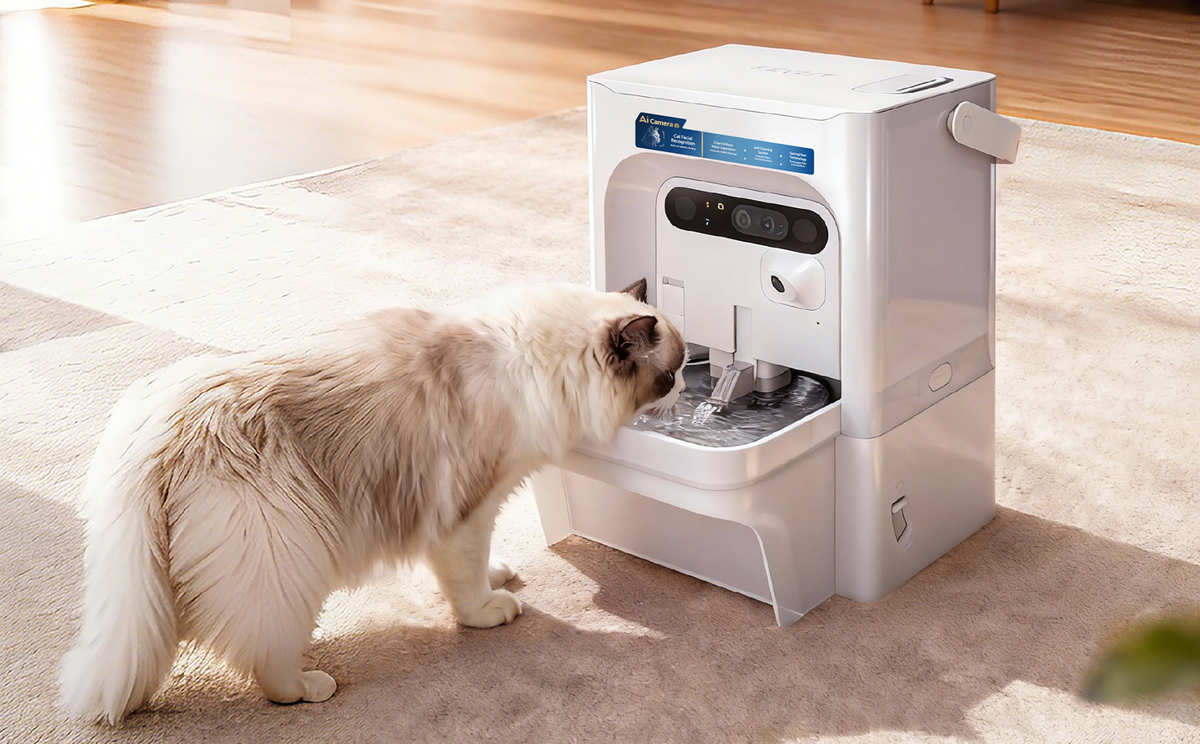
If you have 2–5 cats or care more about long-term hydration health management, the EverSweet Ultra is more suitable for users seeking deeper smart functionality.
Its biggest features include:
- AI camera recognition
- Multi-cat drinking data tracking
- Irregular drinking pattern alerts
- Clean and waste water separation system
Compared with traditional circulation fountains, the Ultra functions more like a smart hydration management system.
The system records:
- Drinking time
- Drinking frequency
- Irregular drinking behavior changes
For multi-cat households, this data can help owners observe different cats' hydration patterns more easily.
The Ultra also uses:
- 5L clean water tank
- 1.8L wastewater tank
Its clean and waste water separation design helps reduce the water recirculation issue common in traditional fountains.
Best suited for:
- Households with 2–5 cats
- Owners wanting to monitor hydration habits
- Users focused on urinary and kidney health management
- People want lower maintenance frequency
- Smart home enthusiasts
For long-term indoor cat households, the Ultra functions more like a smart hydration management system than a basic water fountain.
How to Help Cats Adjust to a New Water Fountain?
Many cats are cautious when first using a water fountain, but most gradually begin using it actively after adapting.
You can help your cat adjust with the following steps:
-
Step 1: Do Not Remove the Old Water Bowl Immediately
At the beginning, keep the old water bowl available so the cat can choose freely. -
Step 2: Place the Fountain in a Familiar Area
Avoid suddenly placing it in an unfamiliar corner. Cats are usually more willing to approach new objects in familiar spaces. -
Step 3: Keep Noise Levels Low
Quiet, low-noise fountains help cats adapt faster. -
Step 4: Give the Cat Time to Adjust
Some cats use the fountain immediately, while others may need several days or even a week. Avoid frequently changing the fountain’s location.
Where Should You Place a Cat Water Fountain?
The placement of a cat fountain significantly affects drinking frequency. Quiet, clean areas away from litter boxes are usually more attractive to cats.
Generally recommended:
- Place it in a quiet area
- Keep it away from litter boxes
- Avoid direct sunlight
- Multi-cat households should provide multiple drinking stations
Many cats also dislike water placed directly beside food bowls. Ideally, leave some distance between the fountain and feeding area.
How Often Should You Clean a Cat Water Fountain?
Even with filtration systems, cat fountains still require regular cleaning. Recommended cleaning frequency:
| Cleaning Item | Recommended Frequency |
|---|---|
| Replace water | Every 2–3 days |
| Quick rinse | Every 2–3 days |
| Deep cleaning | Weekly |
| Replace filter | Every 2–4 weeks |
| Clean water pump | Weekly |
During hot weather, in multi-cat households, or with heavy shedding cats, more frequent cleaning is usually necessary.
Automatic Cat Water Fountain FAQ
Will Cats Really Drink More Water After Using a Fountain?
For most cats, flowing water is often instinctively associated with fresher water. Compared with still water bowls, many cats noticeably increase drinking frequency after switching to a fountain — especially cats that previously disliked drinking water, mainly ate dry food, or liked licking faucets. However, some cats may need several days before actively using it.
Why Does My Cat Still Refuse to Use the Fountain?
The most common reasons usually include: The fountain is too noisy, Poor placement location, Water flow is too strong, The cat is cautious around new objects, The fountain is placed too close to the litter box. Many cats are highly sensitive to environmental changes. For first-time use, it is recommended to keep the old water bowl available and allow several days for adjustment.
What Is the Difference Between Expensive and Cheap Cat Water Fountains?
Budget models: Basic circulation and simple filtration, but often harder to clean. Mid-range models: UVC sterilization, low-noise operation, easier cleaning, and basic app-based data tracking. Advanced models: Multi-cat recognition, AI monitoring, clean and waste water separation, and automated maintenance systems. Entry-level models are usually sufficient for basic hydration needs, while premium models focus more on long-term health management and lower maintenance.
Is a Smart Cat Water Fountain Really Necessary?
If your cat already drinks water normally, a regular water bowl may still meet basic hydration needs. However, smart cat fountains are usually more convenient for: Cats that dislike drinking water, Multi-cat households, Owners are away during daytime hours, People want to reduce frequent water replacement. Some premium models can also help track drinking frequency, making it easier to monitor long-term hydration changes.