
















Cats are avid hunters and in nature spend many hours a day searching for prey. In between hunting adventures, cats will spend time resting and napping. Although indoor cats do not “hunt” for prey, they still have an innate behavioral need to participate in the “act” of hunting. Indoor cats should still be provided with opportunities to hunt and catch prey through other activities such as food puzzles, structured play time with caregivers and searching for hidden snacks around the home.
How to Create a Feeding Routine That Respects Your Cat’s Natural Needs
When it comes to feeding a cat, there are many misconceptions. Food can be a major source of anxiety, especially in multi-cat homes. Cats prefer to eat alone, therefore even if a cat is forced to eat near a housemate (and does), it doesn’t mean he would choose to do so given an option. When cats are forced to eat together, conflict behaviors are often suppressed to access food. This can lead to increased levels of tension at other times. Additionally, stress around mealtime can lead to increased food consumption, obesity, the classic “scarf and barf” vomiting, and inter-cat conflict/bullying.
Building an ideal feeding routine:
- Feed the cat individually in a safe, quiet location. The busy kitchen, although convenient for the caregiver, can be very stressful for a cat as it is often the busiest and noisiest part of the home
- Cats should ultimately be fed 3-4 small meals per day, to stay consistent with their natural biology of hunting and catching small mouse-sized meals.
How Diet and Water Access Support Your Cat’s Hydration
The type of food being fed also matters to a cat. Multiple evolutionary, physiological, anatomical and behavioral reasons can make cats vulnerable to dehydration. Cats have evolved as desert dwellers with a very high urine concentrating ability enabling them to adapt to periods of scarce water intake. Additionally, not only is it difficult for them to physically “lap” water, but they often feel vulnerable when drinking from a bowl. Because of this, cats have evolved to get most of their hydration through their diet. The natural diet of cats typically consists of whole prey, with free-roaming feral cats primarily consuming rats, mice, voles, rabbits, and other small mammals. These prey items contain approximately 65% to 75% moisture, whereas dry, shelf-stable, commercial diets contain less than 10% moisture.
Given that a large percentage of cat caregivers routinely feed a commercial dry diet, cats may require more free water from external sources. By offering additional water sources around the home in quiet areas, (such as water fountains with moving water to encourage drinking,) and by feeding more wet food, the risk of dehydration can be reduced.
How Technology Helps Track Daily Habits and Support Veterinary Care
It is important to establish and trend normal eating and drinking patterns in an individual cat, as changes in food or water intake often indicate an underlying health concern.
- Decreased appetite can indicate a variety of problems from metabolic or endocrine disease, dental disease, gastrointestinal disease, heart disease, or nausea and pain.
- Increased appetite can indicate underlying disease such as diabetes mellitus, hyperthyroidism, and some malabsorptive diseases.
- Changes in thirst, particularly increased drinking, may indicate underlying kidney disease, diabetes, or hyperthyroidism.
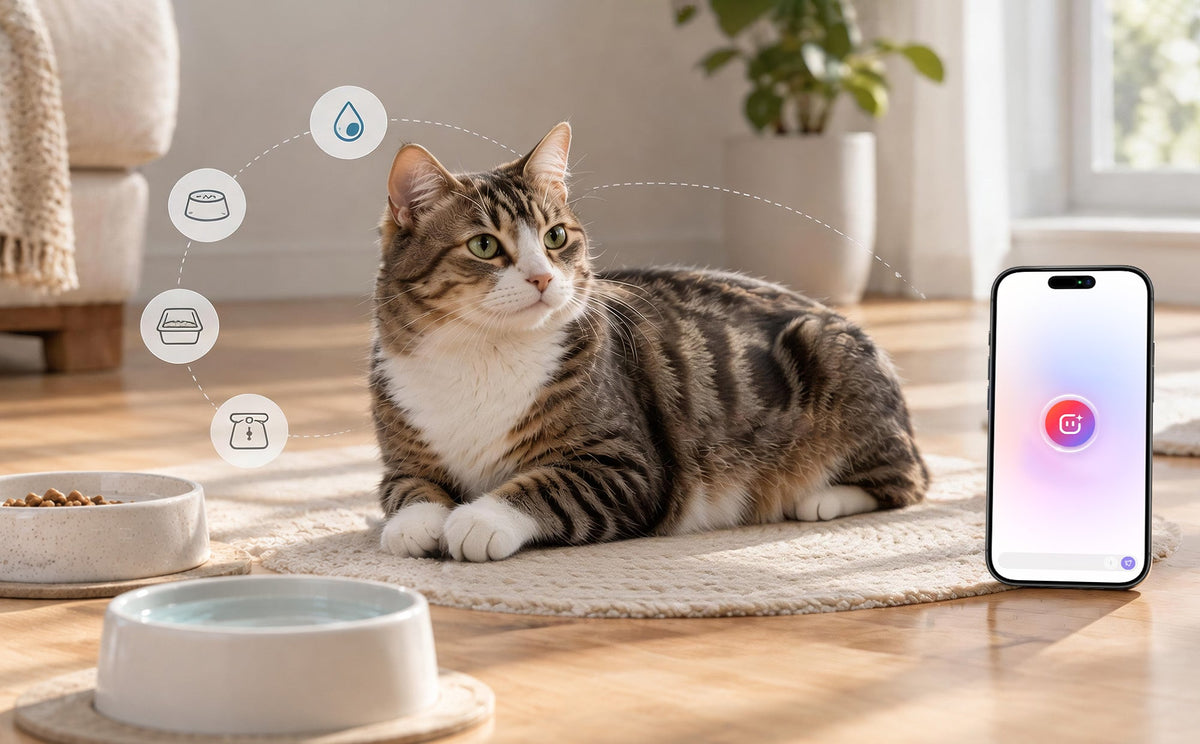
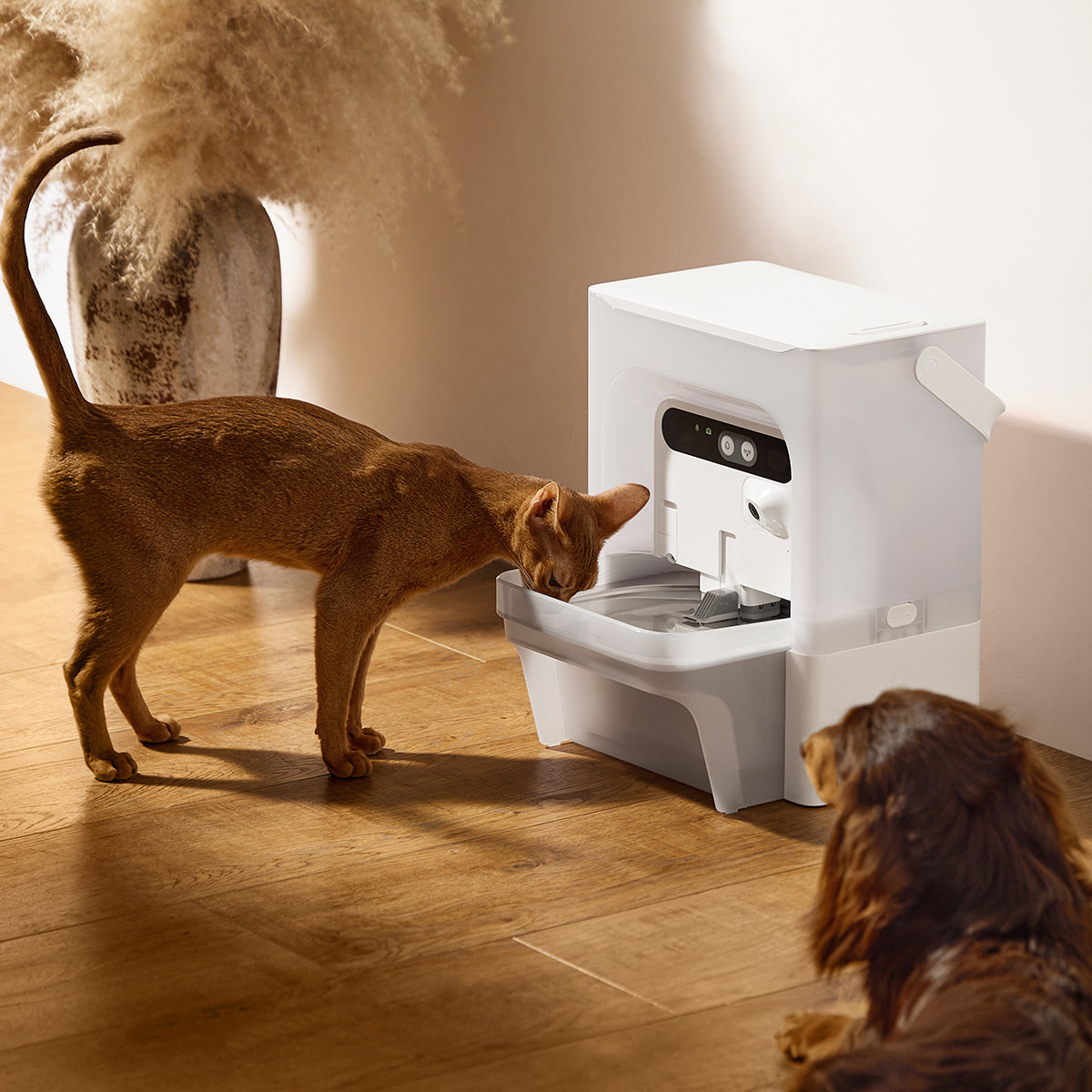
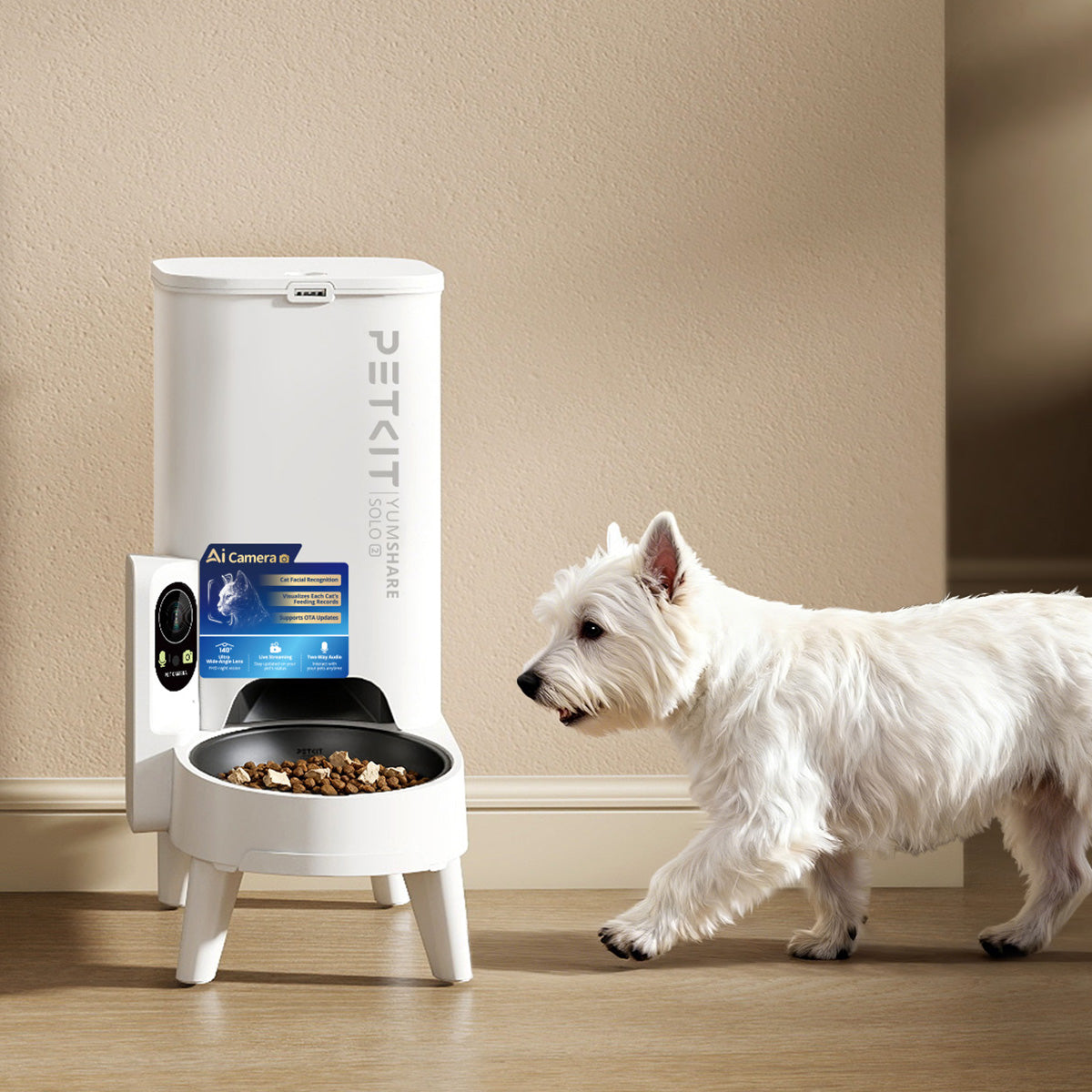
Using technology (like automatic feeders and water fountains with individual intake-tracking capabilities) to trend normal behaviors can be extremely helpful and aid in earlier detection of a problem by alerting a caregiver to subtle changes faster. It is always recommended to have a cat examined by a veterinarian anytime changes in these behaviors are detected.
As a feline specialist veterinarian, I see cases of sick cats every day where earlier intervention could have made a huge difference in both treatment cost and outcomes for patients. Often by the time a caregiver realizes a cat is sick and brings them in for examination their illness is quite advanced with severe dehydration, weight loss or other clinical signs. The use of technology and home-monitoring devices has really been a game changer in many ways. Not only do they allow the caregiver to understand normal routines for their cat and quickly identify changes in cases of illness, but for those with chronic disease, it also helps me to manage them better at home as we can watch important parameters like weight over time.
Meet with our expert:
Ashlie Saffire, DVM, DABVP (Feline) is the founder and lead feline veterinarian at the Faithful Friends Cat Specialty Center in Dublin, Ohio. She is an ABVP board-certified feline specialist and Cat Friendly Certified® veterinarian with advanced expertise in feline medicine, preventive care, and complex medical conditions.