



















Cats are a routine-driven species. From hunting to playtime to sleeping to eating, they thrive on consistency, predictability and routine.
Elimination routines can vary tremendously based on a cat’s age and underlying medical conditions, but generally speaking, a healthy young cat will typically urinate two to four times daily and defecate once or twice daily.
When it comes to appetite, because of the size of their stomach and other factors, most cats can only eat about a “mouse-sized” meal 3-4 times per day. Cats get the majority of their hydration from their meals, so it’s not uncommon for cats who are fed a majority wet-based diet to consume less external water than those consuming a mostly dry diet.
Why Signs of Illness Are Easy to Miss
When it comes to illness in cats, many misconceptions exist as caregivers often believe they will know if their cat is showing signs of illness, but it’s a lot more complicated than that.
Cats are avid hunters with a heightened sense of smell, hearing, vision and tactile response. They are solitary survivors and have an excellent ability to sense and avoid danger. In nature, they are not only predators but also prey and therefore hide illness and pain as a survival mechanism, even from their human family. They are territorial animals who require a sense of control, safety and familiarity in their physical and social environment. This is why by the time a cat caregiver realizes a cat is sick, their illness is quite advanced.
Small Changes That May Signal a Problem
Signs of illness in cats often start early as very subtle signs, and it’s important for caregivers to always be on the lookout anytime a cat varies from their normal routine and habits.
Subtle/early signs of illness in cats include:
- Changes in appetite (increased or decreased)
- Changes in grooming habits or coat quality (matted fur/dander)
- Bad breath
- Changes in water consumption (increased)
- Changes in elimination behavior (stool quality, changes in urination frequency or size of urine clumps, house-soiling, vocalizing in the litter box, blood in the urine)
- Changes in activity (increased or decreased)
- Changes in sleeping habits (night-time waking)
- Changes in interactions with humans or other pets at home (hiding, less interactions, irritability towards housemates).
The challenge with detecting elimination changes is that litter boxes are often tucked away in quiet areas of the home, such as the basement, and caregivers do not always witness their cat eliminating “in the act”. When it comes to activity, some cats sleep during the day and are more active at night, which can be hard to fully evaluate while the caregiver is sleeping. Additionally, cats often eat or drink when they feel safe and the house is quiet, so in cases where food bowls are kept “full”, or in multi-cat environments, caregivers often do not fully understand how much a cat consumes day to day.
How Technology Helps Fill the Gaps
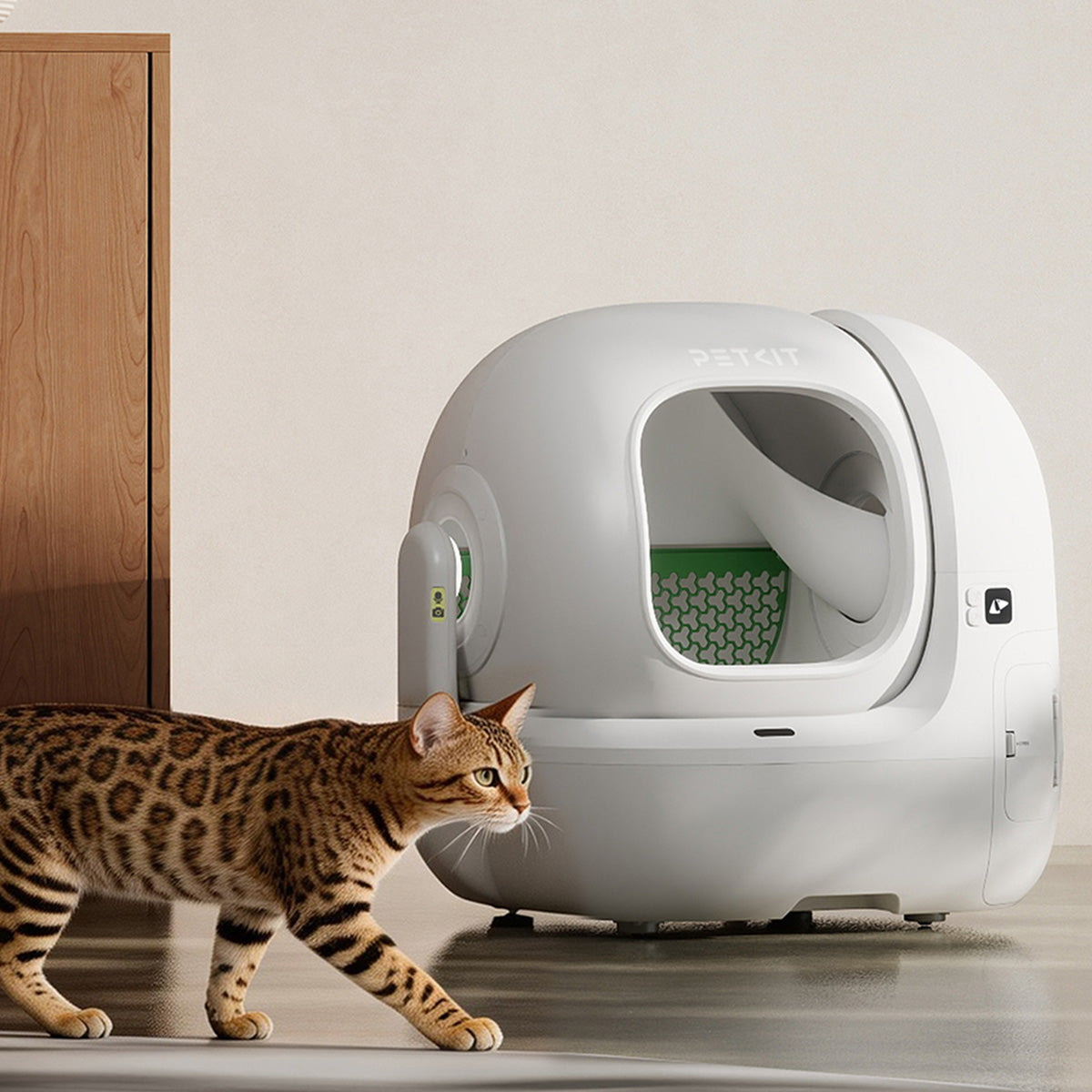
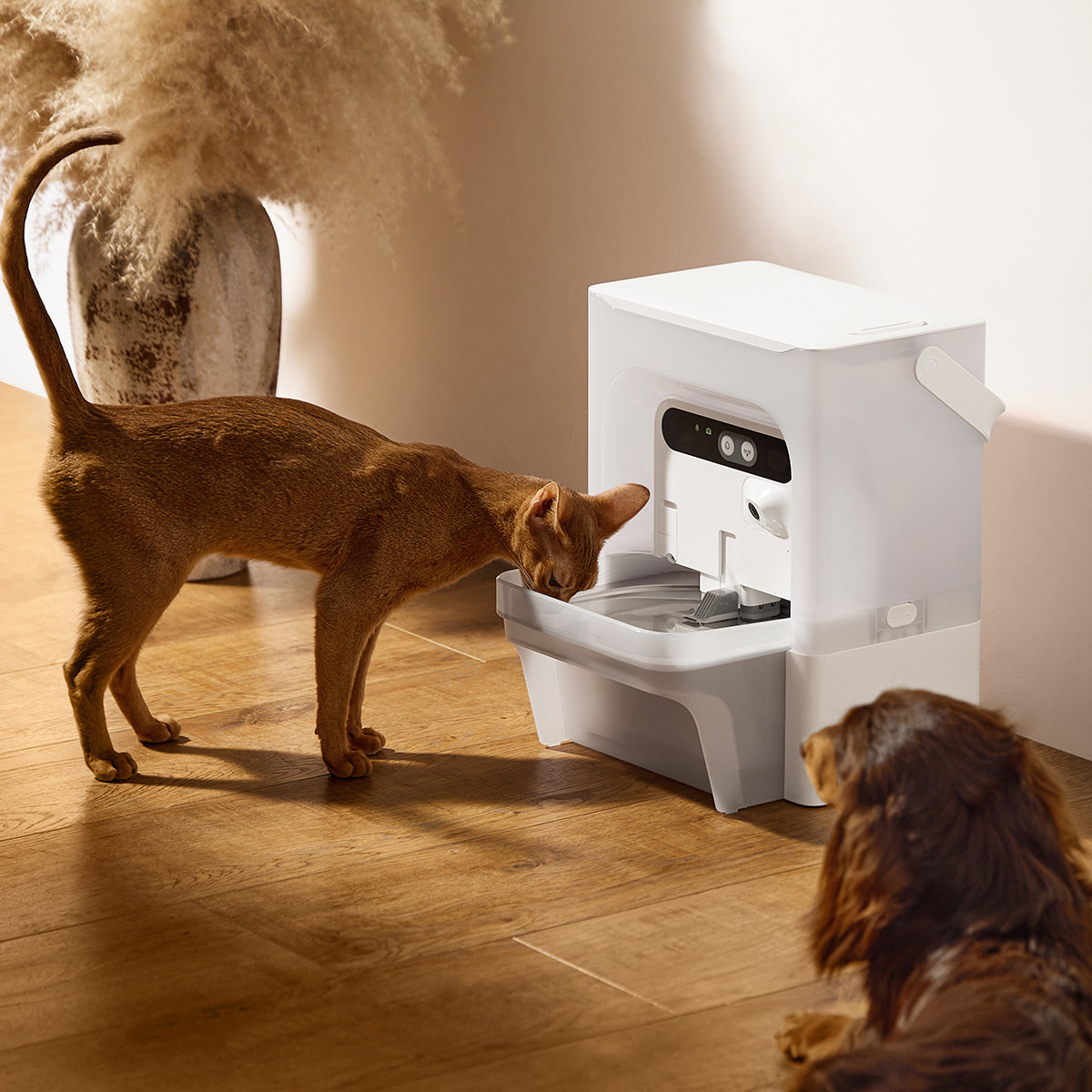
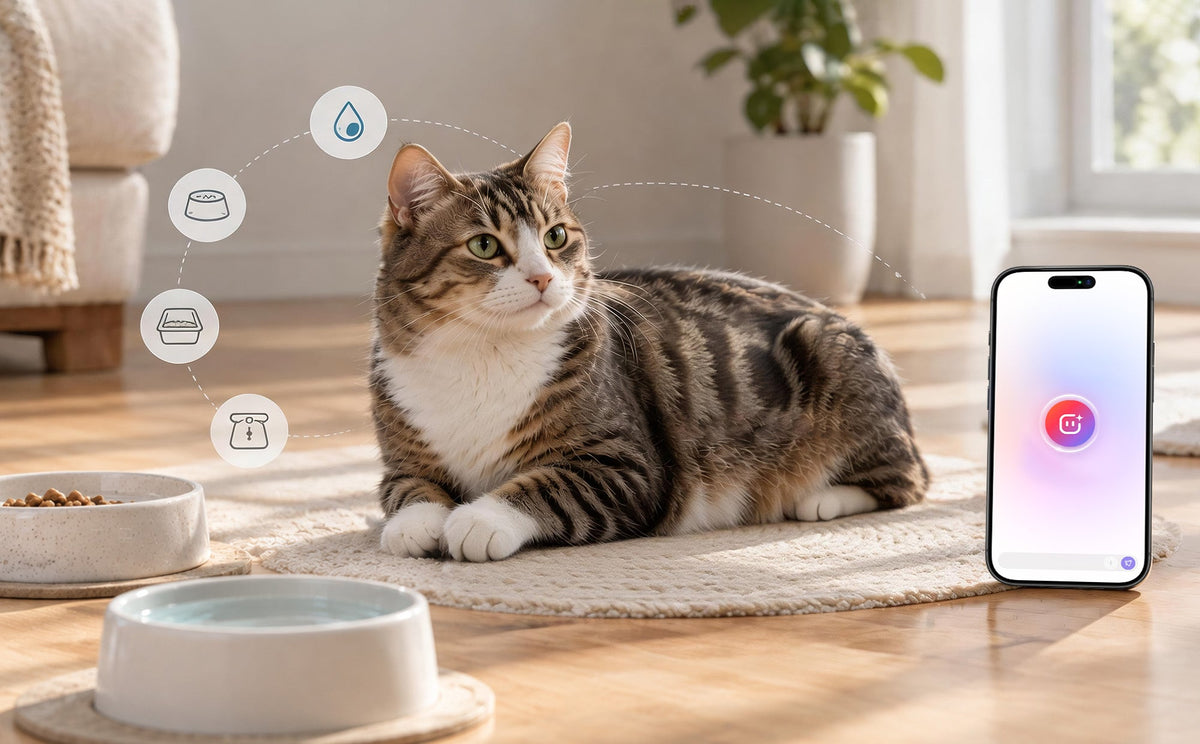
Technology has changed the way caregivers can monitor routines of their cats. With access to different types of smart devices, caregivers can now have peace of mind that these monitors can often detect small changes in habits and behaviors in cats, when they can’t, allowing for earlier intervention. Litter box monitors, water bowl monitors, activity monitors and food dispensing devices are quickly becoming a new way to screen cats for health issues every day. Many of these devices learn an individual cat’s routine over time, and begin to start tracking important parameters including weight, litter box habits, and food or water intake. When small changes begin to happen, these devices often alert the caregiver through an associated app. With that information, the caregiver can then decide if medical attention is warranted.
In most cases, changes in elimination, appetite, or weight may signal an underlying health condition, so it is best to have the cat evaluated by a veterinarian. Annual preventive exams are also important because they can help detect subtle changes early and support the longest, healthiest life possible for your cat.
Two Cats, Two Life-Changing Alerts
Let’s share some stories of two cats whose lives were saved by the early detection of a problem by their litter box monitors.
Case 1: A Hidden CKD Complication Revealed
Callie, a female spayed 13-year-old domestic shorthair cat, was diagnosed with chronic kidney disease. Because cats with kidney disease are prone to urinary tract infections, constipation and weight loss, under direction by her veterinarian, the caregiver installed a litter box monitor to keep an eye on her health. Shortly after installing the monitor, it was discovered that Callie was dealing with constipation, having bowel movements about every 2-3 days. After consulting with her veterinarian, changes were made with her diet and medications, and Callie’s bowel movements improved significantly as did her appetite and overall quality of life.
Case 2: Catching a Life-Threatening Urinary Obstruction
Leo, a young 2-year-old male neutered domestic shorthair, had a history of feline idiopathic cystitis (FIC), or inflammation of the bladder wall which results in bloody urine and painful urinations. After being informed by their veterinarian that one of the biggest complications of FIC episodes is a lower urinary obstruction, a life-threatening emergency condition, it was recommended that the family get a litter box monitor to keep track of his daily urinations. One morning the family woke up to alerts from the litter box monitor that Leo had been in the litter box over 13 times, with some events occurring for more than 6 minutes. They immediately took Leo to the veterinary clinic, where he was diagnosed with a urinary tract obstruction. Because the veterinary team was able to initiate treatment within hours of the obstruction developing, the severe life threatening electrolyte disturbances and pain was promptly resolved, and his life was saved!
Meet with our expert:
Ashlie Saffire, DVM, DABVP (Feline) is the founder and lead feline veterinarian at the Faithful Friends Cat Specialty Center in Dublin, Ohio. She is an ABVP board-certified feline specialist and Cat Friendly Certified® veterinarian with advanced expertise in feline medicine, preventive care, and complex medical conditions.