

















Managing chronic kidney disease (CKD) is often a long-term partnership between cat parents, veterinarians, and their healthcare team. While CKD cannot be cured, many cats can live comfortably for years with appropriate monitoring, nutrition, and treatment.
How is CKD Commonly Managed?
Dietary Adjustments and Medications
One of the most important foundations of CKD management is nutrition. Therapeutic kidney diets are specifically formulated to support cats with kidney disease and typically contain controlled phosphorus levels, carefully balanced protein, and other nutrients designed to reduce stress on the kidneys. Research has shown that cats fed therapeutic kidney diets often live significantly longer than cats that do not receive these diets.
As CKD progresses, management often extends beyond diet alone. Some cats may benefit from medications that help control nausea, stimulate appetite, reduce vomiting, manage blood pressure, lower phosphorus levels, correct electrolyte imbalances, or address anemia. Other cats may require very few interventions for long periods of time.
Hydration
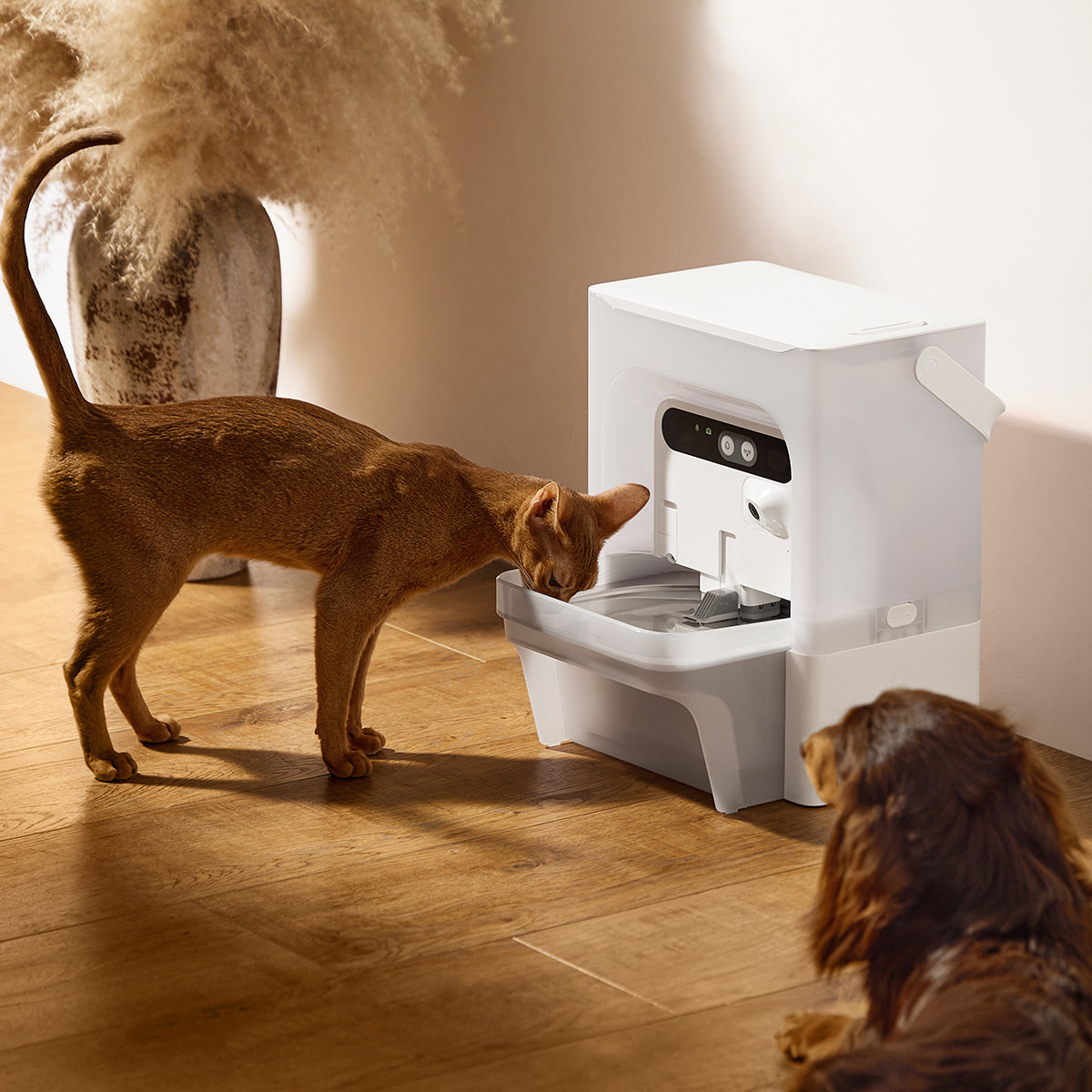
Maintaining hydration is another important aspect of long-term care. Veterinarians may recommend strategies such as providing multiple water sources, offering canned food, using water fountains, or incorporating other methods to encourage water intake. Monitoring drinking habits can also help identify changes that may indicate progression of disease or the development of new complications.
A Sustainable Approach to CKD Care
One aspect of CKD care that is often underestimated is the emotional and practical commitment involved. Managing a chronic disease can create stress for both cats and their caregivers. Administering medications, encouraging food intake, tracking weight, attending follow-up appointments, and monitoring daily habits can sometimes feel overwhelming, particularly when multiple treatments are involved.
For this reason, treatment plans should be realistic and sustainable. A management strategy is only effective if it can be successfully implemented at home. Open communication with your veterinary team is important so they can help identify approaches that fit your cat's personality, your household routine, and your ability to provide care. In many cases, small adjustments can make treatments easier and less stressful for everyone involved.
Perhaps the most important thing for cat parents to understand is that CKD management is not about perfection. It is about maintaining the best possible quality of life while adapting to changes over time. Because the disease and its complications can evolve, treatment plans often change as new needs arise. Regular monitoring, early recognition of problems, and ongoing communication with your veterinary team can help ensure that your cat receives the support they need throughout their CKD journey.
Why Home Monitoring Matters in Chronic Kidney Disease
One of the biggest challenges of CKD is that important changes often develop gradually. While regular veterinary visits remain essential, they provide only a snapshot of a cat's health at a single moment in time. Understanding how CKD is evolving often requires looking at patterns that develop over weeks, months, or even years.
This is why home monitoring can be so valuable. Small changes that may seem insignificant on a given day can become much more meaningful when viewed as part of a larger trend.
Things to monitor include:
- Changes in water intake and urination: Cats with CKD often drink more water and produce larger volumes of urine than healthy cats. Increasing thirst or larger urine volumes may suggest changes in kidney function, while a sudden decrease in urine output or changes in urination behavior could indicate a new problem that requires evaluation.
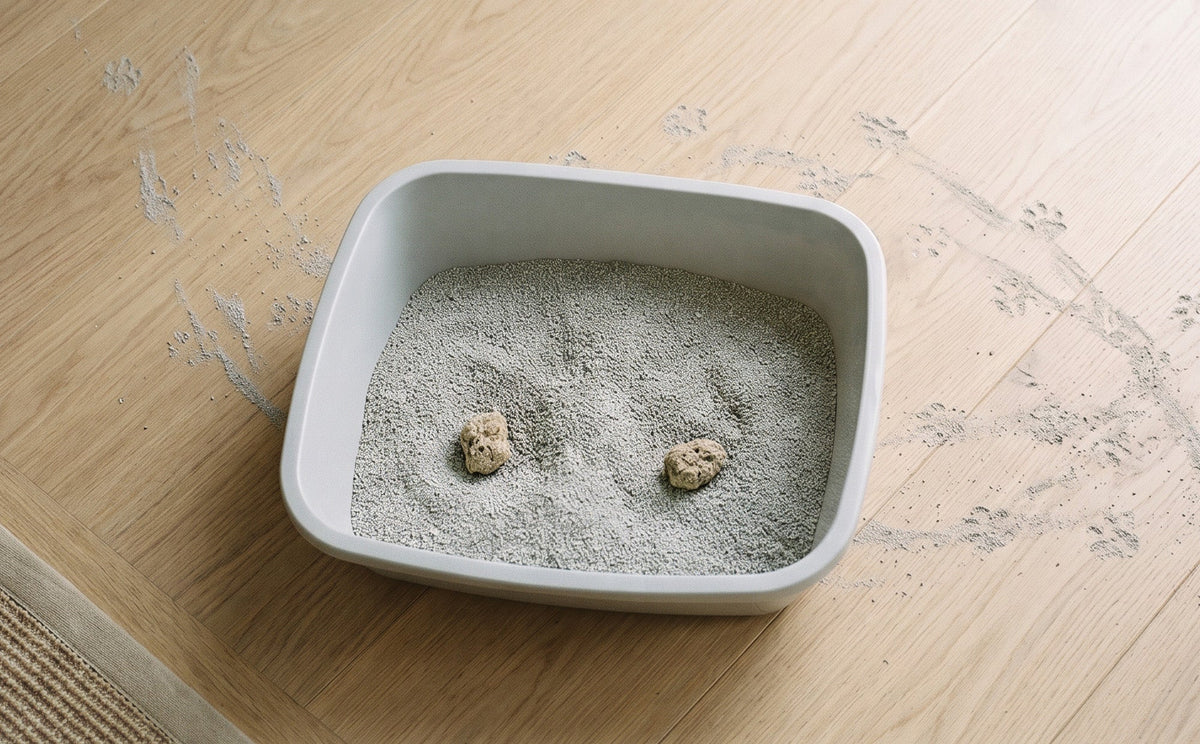
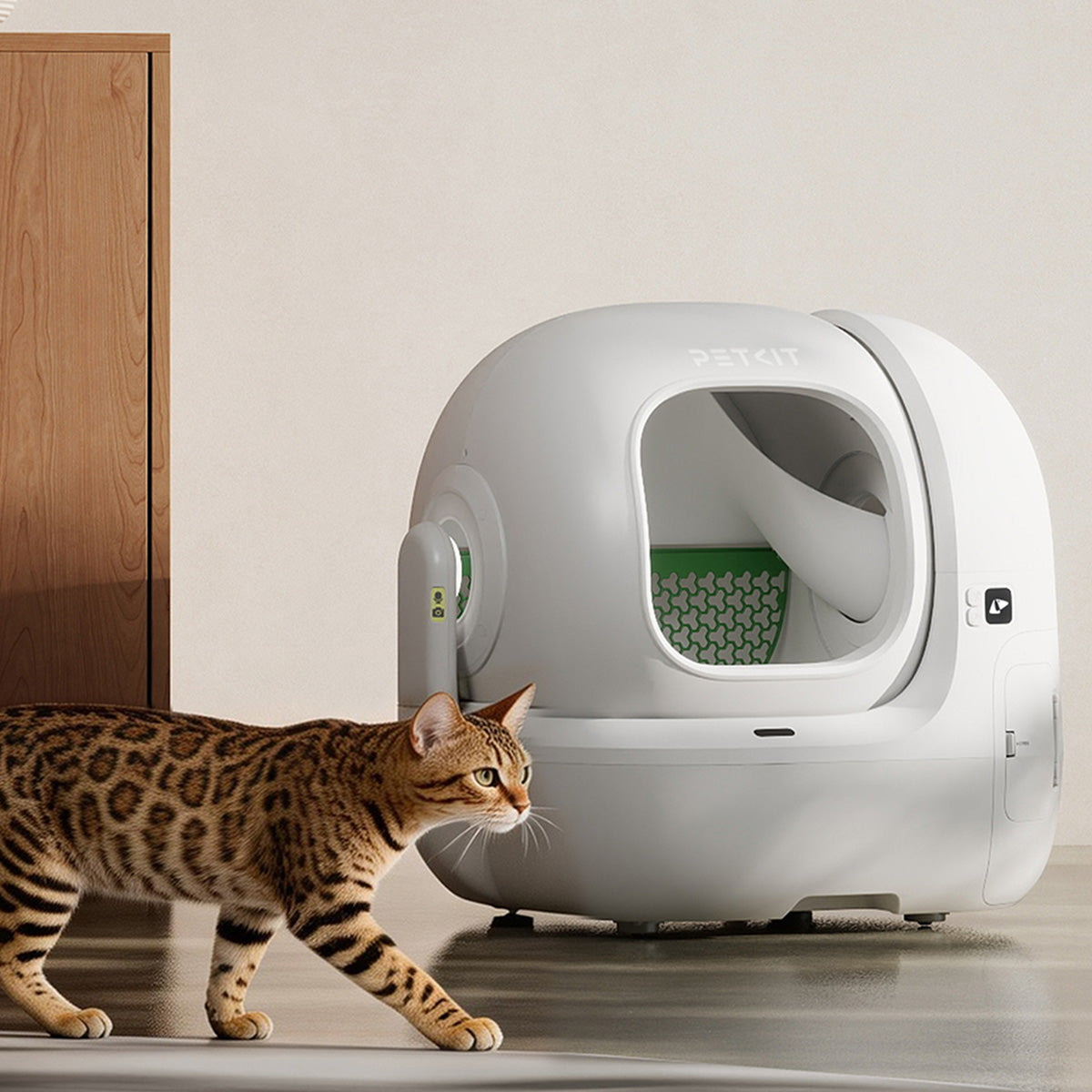
- Changes in litter box habits: Monitoring the size and frequency of urine clumps may help identify changes in urinary patterns over time. Stool habits are equally important. Cats with CKD are at increased risk for constipation, and some may gradually transition from daily bowel movements to less frequent defecation. If bowel movements become consistently infrequent, difficult to pass, or stop altogether for several days despite a normal appetite, veterinary evaluation is recommended.
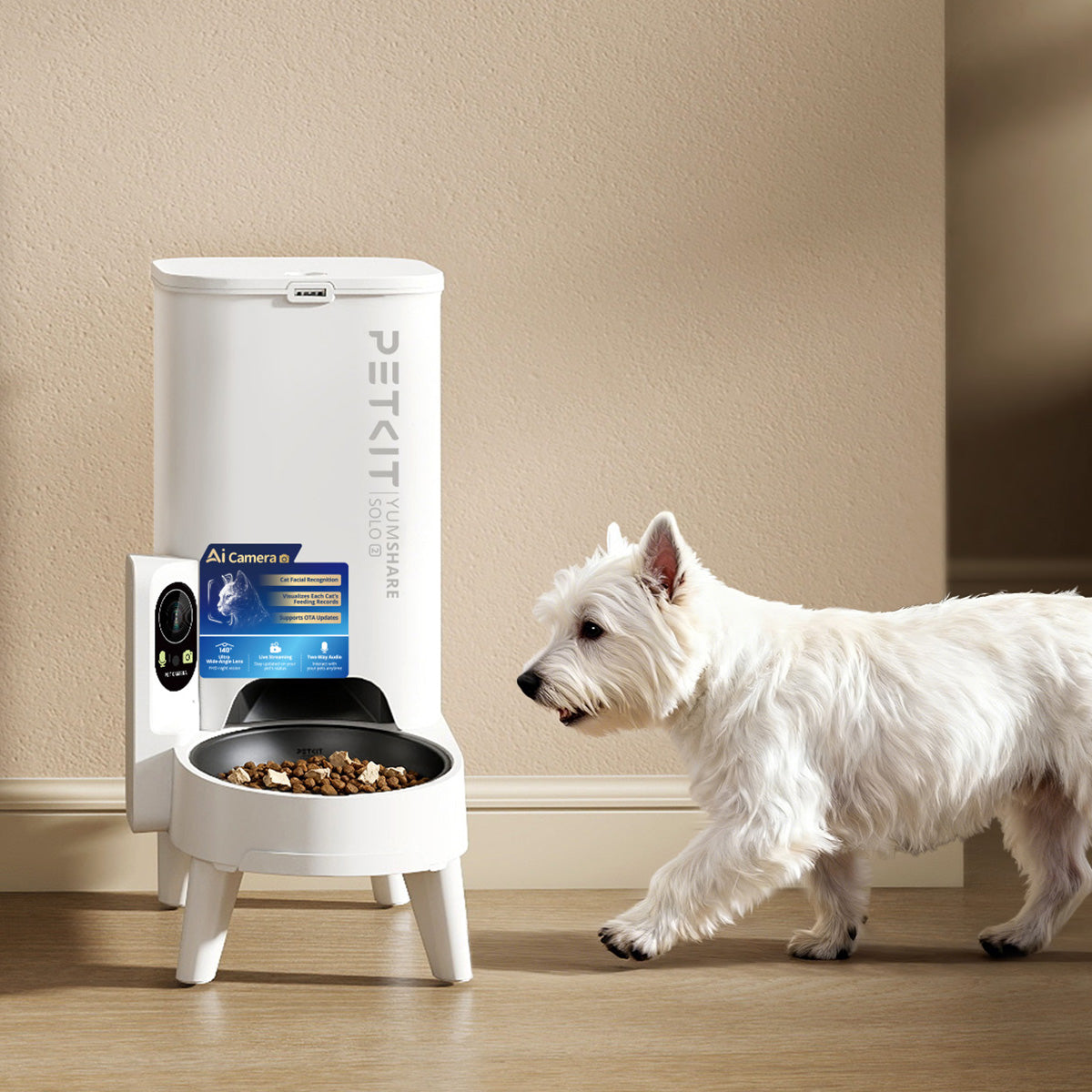
- Changes in eating habits: A cat does not need to stop eating completely for appetite changes to be meaningful. A gradual decline from consistently finishing meals to regularly leaving food behind may be an early sign of nausea, disease progression, dehydration, or another developing complication.
- Behavioral changes: Reduced activity, increased sleeping, less grooming, decreased social interaction, or changes in overall demeanor can sometimes be early indicators that a cat is not feeling as well as usual.
The goal of home monitoring is not to diagnose disease, but to identify trends. These observations provide valuable context that can help veterinarians better understand how a cat is doing between appointments.
Objective information about body weight, appetite, water intake, urination, bowel habits, and activity levels often paints a more complete picture than any single laboratory test or clinic visit alone.
Ultimately, the value of home monitoring lies in recognizing change early. CKD is a long-term disease, and subtle shifts in daily habits are often the first indication that a cat's needs are changing. By tracking these patterns over time and sharing them with their veterinary team, cat parents can play an important role in supporting their cat's health, comfort, and quality of life.
What Information Should You Track and Share with Your Veterinarian?
When concerns about CKD arise, one of the most helpful things a cat parent can provide is a record of changes observed at home. Veterinarians often see cats for only a brief period during an appointment, but owners observe their cats every day. Together, these observations can provide a much more complete picture of a cat's health.
For cats with established CKD, some of the most useful information to track over time includes:
- Daily food consumption
- Water intake or drinking habits
- Weekly body weight
- Urination frequency and litter box patterns
- Bowel movement frequency and stool consistency
- Vomiting episodes
- Activity level and behavior changes
- Medication administration and compliance
When to Consult Veterinarians?
|
Contact your veterinarian within the next few days when your cat shows:
|
Seek immediate veterinary attention if your cat:
|
The goal is not to collect perfect data. Instead, it is to identify meaningful trends. A cat's individual baseline is often more informative than any single number. For example, if a cat typically urinates three times per day but suddenly begins urinating six times daily, that change may be important even if they otherwise appear normal.
Accurate home records can make veterinary visits more productive and efficient. Rather than relying on memory alone, objective information allows veterinarians to better understand what has changed, when those changes began, and how quickly they are occurring. This can help identify complications earlier, guide diagnostic testing, and support more timely adjustments to treatment plans.
Perhaps most importantly, home monitoring helps connect the information collected between veterinary visits with the findings obtained during examinations and laboratory testing. When viewed together, these data often provide the clearest picture of how a cat's CKD is changing over time and what steps may be needed to support their long-term health and quality of life.
Real-World Examples: How Home Monitoring Can Make a Difference
Every cat with CKD follows a unique path. While no monitoring system can diagnose CKD on its own, recognizing changes in daily habits can sometimes provide valuable clues that prompt earlier veterinary evaluation and intervention.
Case Example 1: The Cat Who Seemed Completely Healthy
A 10-year-old domestic shorthair cat appeared perfectly healthy to her family. She was eating normally, maintaining her usual routine, and showed no obvious signs of illness.
However, over several months, her family noticed a few subtle changes. She had gradually lost weight, was visiting her water fountain more often, and was making more trips to the litter box than usual. None of these changes seemed dramatic on their own, but together they represented a clear shift from her normal pattern.
Concerned by these trends, her family scheduled a veterinary appointment. Blood and urine testing revealed early evidence of kidney disease, and additional evaluation confirmed a diagnosis of CKD.
Because the disease was identified before she developed significant clinical signs, her veterinary team was able to begin management early, including dietary changes and regular monitoring. The family was able to take proactive steps to support her health long before she became seriously ill.
The important lesson from this case is that CKD often develops gradually. Small changes in weight, drinking habits, and litter box use may be easy to overlook in day-to-day life, but they can sometimes provide early clues that deserve veterinary attention.
Case Example 2: Catching a Change Before It Became a Crisis
A 14-year-old cat with stable Stage 3 CKD had been doing well for years on a therapeutic kidney diet and regular veterinary care.
His family carefully tracked his daily habits and noticed that he had started leaving some food behind at meals. At first, the change was minor. Over several weeks, however, his appetite gradually declined, and he became less active than usual.
Although the changes seemed subtle, his family recognized that this behavior was different from his normal routine and scheduled a follow-up visit.
Testing revealed that one of the complications associated with CKD had become more difficult to control. Working with the family, the veterinarian adjusted his treatment plan and added supportive therapies to help improve his appetite and overall comfort.
Within a short period, he was eating better, maintaining his weight more effectively, and acting more like himself again.
This case highlights an important reality of CKD management: success often depends on recognizing small changes before they become major problems. Early intervention may help prevent complications from progressing and can often improve a cat's quality of life.
The Value of Tracking Trends
Both of these examples share a common theme. Neither family noticed a dramatic emergency. Instead, they recognized gradual changes in their cats' normal patterns.
Whether it is body weight, food intake, water consumption, activity level, or litter box habits, trends over time often provide some of the most useful information for understanding how a cat with CKD is doing. These observations can help veterinarians identify concerns earlier, adjust treatment plans more effectively, and support better long-term management of the disease.
Meet with our expert:
Autumn N. Harris, DVM, DACVIM (SAIM), DACVNU
Associate Professor of Nephrology–Urology
NC State College of Veterinary Medicine
Dr. Autumn Harris is a board-certified veterinary internist and nephrologist at the NC State College of Veterinary Medicine’s Small Animal Hospital. She earned her Doctor of Veterinary Medicine degree from Mississippi State University in 2012, followed by a one-year rotating internship at Kansas State University. Dr. Harris then completed an internal medicine residency and a two-year postdoctoral fellowship in nephrology at the University of Florida, where she subsequently served as an Assistant Professor of Internal Medicine for six years.
Dr. Harris later completed a nephrology–urology residency at NC State through the American College of Veterinary Nephrology and Urology and is board-certified in both small animal internal medicine and nephrology–urology. She provides care for a wide range of species with kidney and urinary tract disease and has a particular passion for improving the quality of life of cats with chronic kidney disease.
Her clinical research focuses on advancing the understanding of kidney failure in companion animals, with special emphasis on acid–base balance and its role in optimizing medical management for pets with chronic kidney disease.