






Finding a mess outside the litter box is one of the more frustrating moments of cat ownership, and it's easy to take personally. But a cat that suddenly stops using the box isn't being spiteful or difficult. It's communicating something — whether that's physical discomfort, a box that no longer meets their standards, or stress they can't otherwise express. Figuring out which one it is takes a bit of detective work, but the process is fairly systematic once you know what to look for.
Start With the Body, Not the Behavior
It's tempting to assume a litter box problem is a training issue or a phase, but vets consistently point to medical causes first — and for good reason: a cat that's uncomfortable using the box has a real, physical reason not to want to be there.
-
Constipation is one of the most common culprits. A constipated cat will often walk into the box, strain repeatedly, and either produce very little or leave without going at all — only to try again somewhere else a short time later out of urgency.
-
Diarrhea, inflammatory bowel disease, and other digestive upset work similarly, sometimes giving a cat too little warning to make it to the box in time, or making the box itself a place they associate with discomfort.
-
Arthritis and joint pain are frequently overlooked, especially in older cats or those with pre-existing joint issues. Climbing into a box with high sides, or holding a squatting position long enough to defecate, can be genuinely painful — and a cat that can't comfortably get in may start going right next to the box instead of avoiding it altogether.
-
Diabetes or kidney disease can play a role indirectly: these conditions increase urination, and if litter isn't scooped as often as the extra volume requires, the box can start to feel unusable long before it looks obviously dirty to a person.
- Cognitive changes in older cats are also worth considering, since confusion or disorientation can lead to accidents that have nothing to do with the box itself.
A Detail Worth Knowing: Straining Isn't Always the Same Thing
Straining in the litter box can look identical whether a cat is trying to pass stool or trying to urinate — and the two are not equally urgent. A cat straining to defecate is uncomfortable; a cat straining to urinate and producing little or nothing, especially a male cat, can be dealing with a urinary blockage, which is a genuine emergency. If you're not sure which one you're seeing, treat it as urgent and call your vet the same day rather than waiting to see if it resolves.
Where a Smart Litter Box Can Help
The challenge with changes like straining is that they are often subtle at first. A cat may visit the litter box more frequently, spend longer than usual inside, or show changes in urine and stool patterns before a problem becomes obvious. This is where long-term tracking can make a difference.
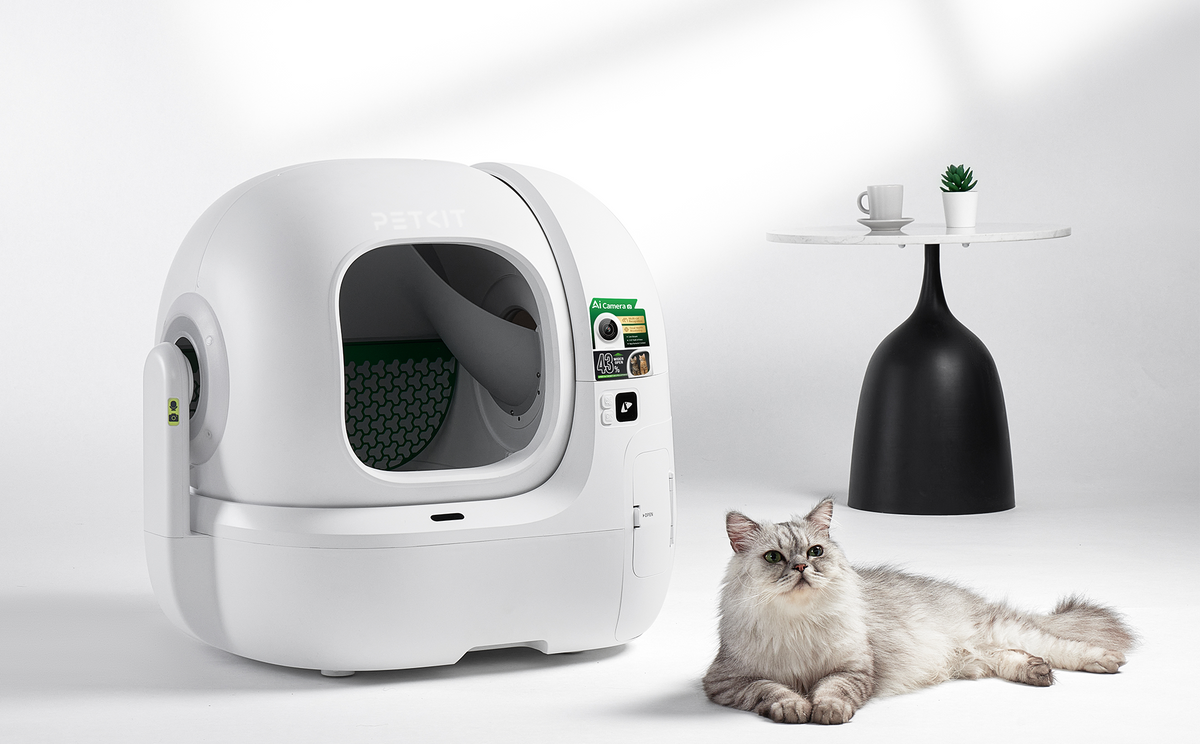
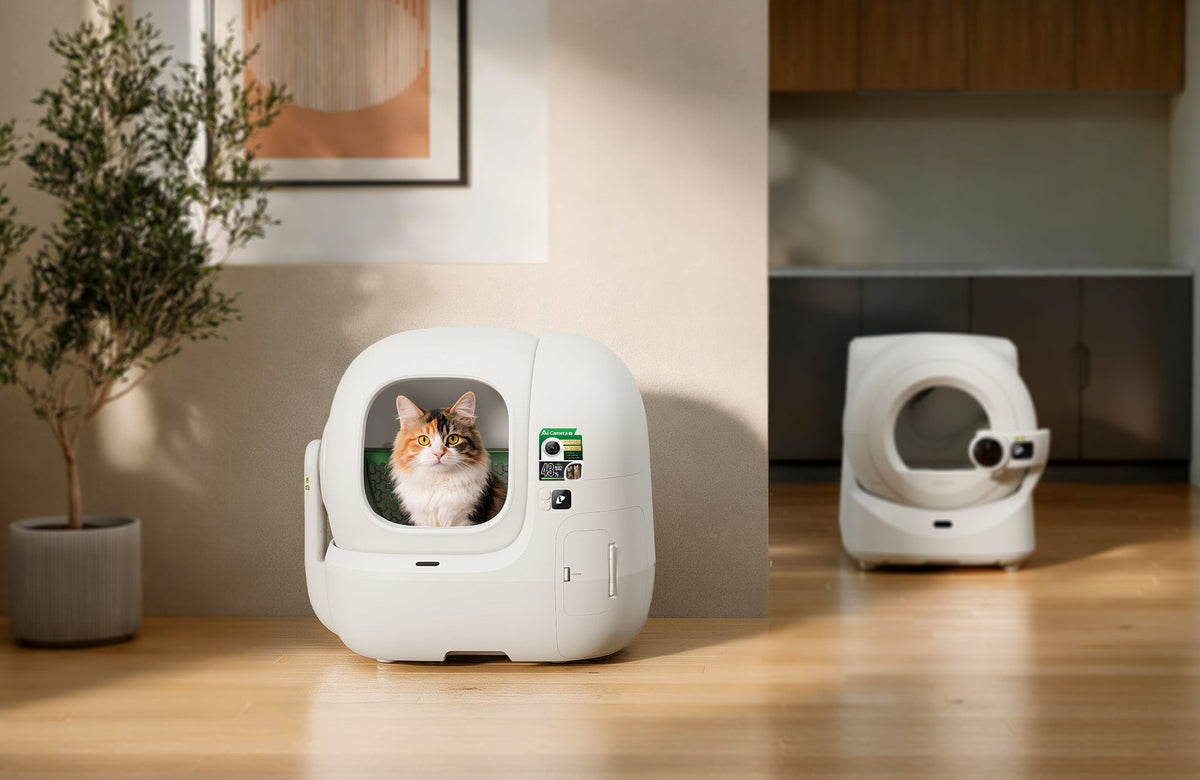
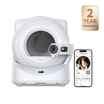
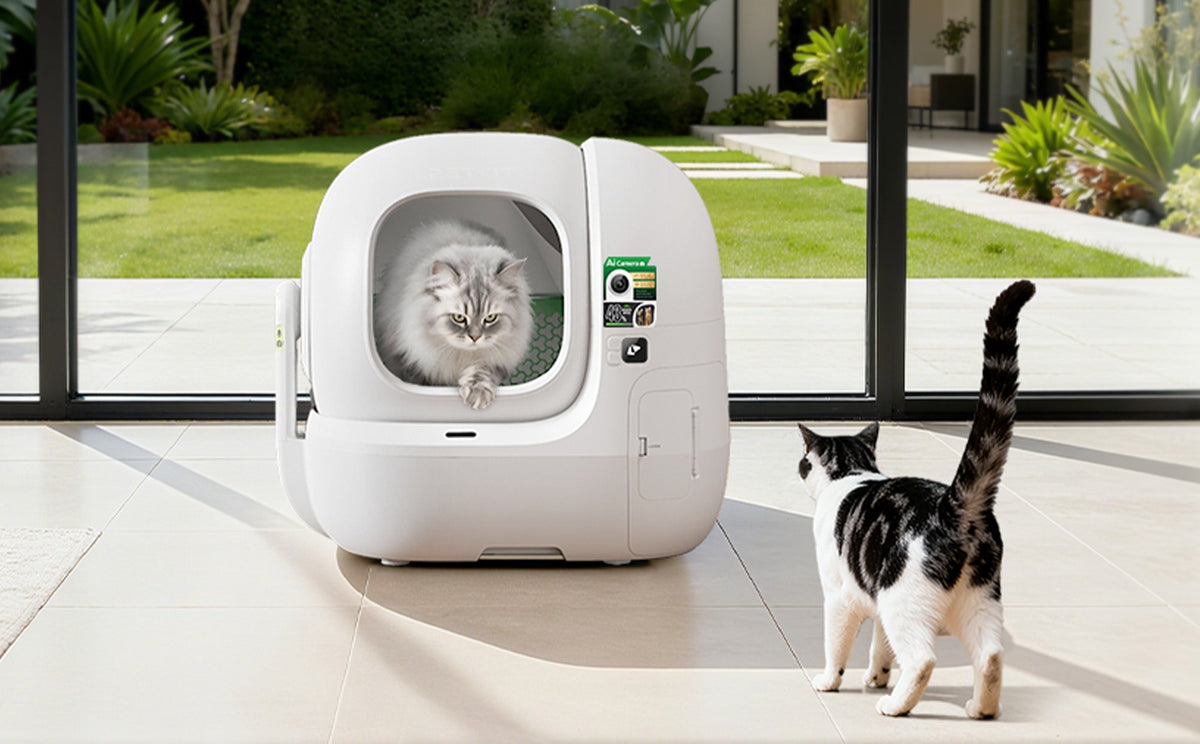
The Purobot Max Pro 2 Automatic Cat Litter Box with AI Camera records each litter box visit, including urine pH, yowling, and stool patterns, helping pet parents review changes over time rather than relying on memory or catching a single unusual moment. For cats with mobility challenges, its larger entry also makes accessing the litter box easier, supporting more comfortable daily use while keeping these important routine changes easier to track.
When to See a Vet Right Away
Most litter box issues aren't emergencies, but a few signs mean it's time to call your vet the same day rather than waiting to see if things improve on their own:
- No stool at all for 48 to 72 hours
- A hard, painful-feeling abdomen
- Blood or mucus in the stool
- Diarrhea that's severe, sudden, or paired with vomiting, lethargy, or appetite loss — especially in very young or very old cats
- Repeated straining with little or nothing produced, particularly if you can't tell whether it's stool or urine
Most litter box problems, once identified, are genuinely fixable, and many resolve completely once the underlying cause — medical or otherwise — is addressed.
When Behavior and Environment Are the Cause
Once a vet has ruled out or treated a medical issue, the explanation usually shifts to the box itself, or to something going on in the household.
-
Cleanliness is the single biggest factor. A box that looks fine to a person can smell thoroughly used to a cat, whose sense of smell is far more sensitive — and a cat that finds the box unpleasant may simply choose not to enter it.
-
Box number and placement matter more than most owners expect. The general guideline is one litter box per cat plus one extra, and boxes tucked into hard-to-reach corners, loud areas like next to a washing machine, or spots that require passing another cat's territory can all discourage use.
-
Box type and litter texture are genuinely a matter of preference. Some cats avoid covered boxes because they trap odor close to their face; others feel exposed in an open one. Litter that's too coarse, too dusty, or simply unfamiliar after a recent switch can be enough to send a cat looking elsewhere.
-
Multi-cat social pressure adds another layer on top of all this: a more assertive cat can effectively guard the box, and a stressed or lower-ranking cat may avoid it entirely rather than risk a confrontation.
-
Household stress more broadly — a move, a new pet, a new baby, renovations — can show up as litter box avoidance even when nothing about the box itself has changed.
- Middening, a rarer behavioral cause where a cat deliberately leaves stool uncovered in a prominent spot as a form of territorial marking, is worth knowing about but is far less common than the reasons above.
Where a Smart Litter Box Can Help
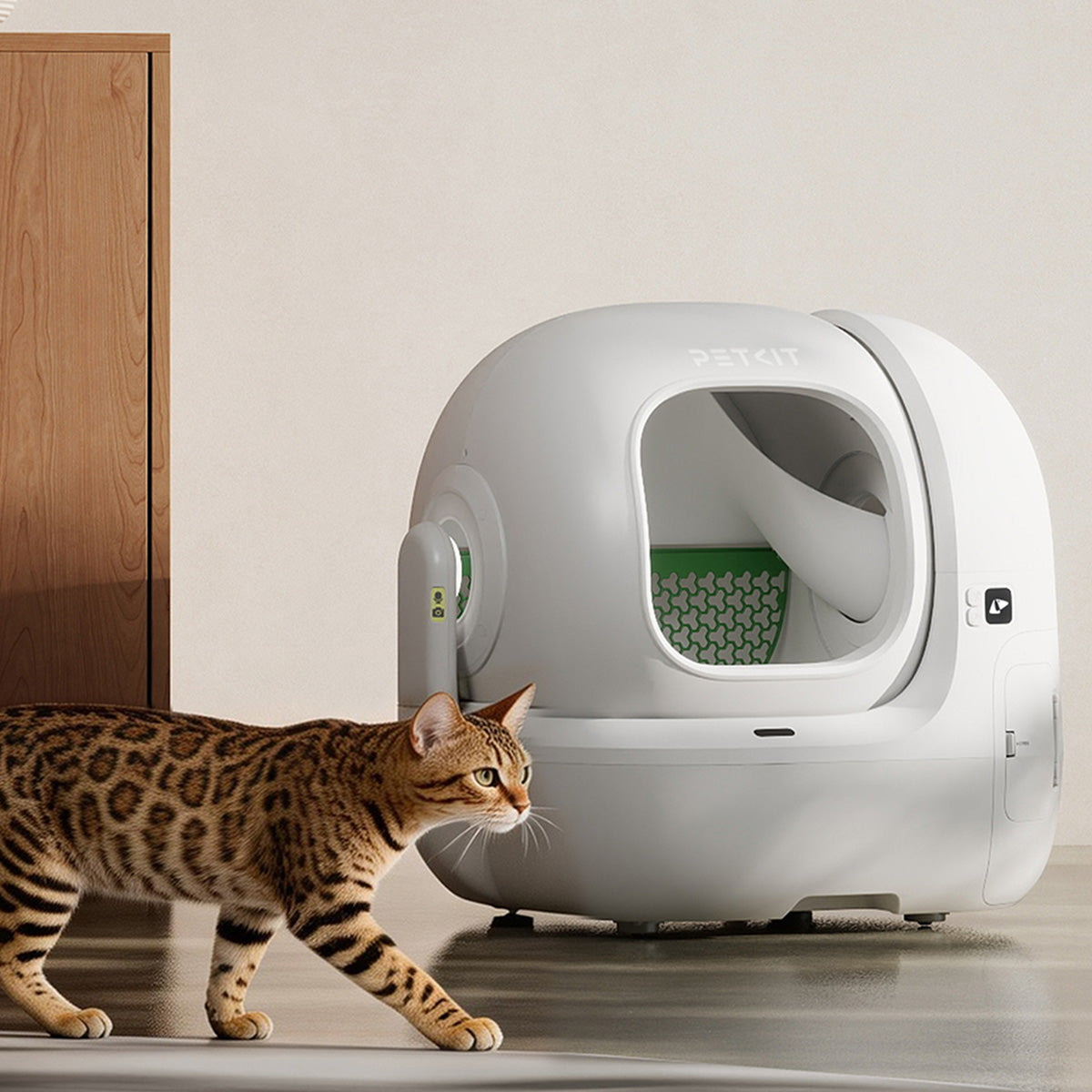
Two of the causes above — cleanliness and multi-cat social pressure — are exactly what self-cleaning, camera-equipped boxes were designed to solve. The Purobot Max Pro 2 Automatic Cat Litter Box with AI Camera self-cleans after every visit, so the box never has the chance to build up the odor that drives so much avoidance in the first place. Its facial recognition and weight sensors also identify each cat individually — so in a multi-cat household, a pattern affecting just one cat doesn't get lost in the noise of a shared box.
If odor control specifically is your biggest concern, the Purobot Ultra Automatic Litter Box takes it further with a triple-stage odor control system rated at 97.5% efficiency, alongside fully automatic waste packing that seals and reloads a fresh bag on its own — so a genuinely clean-smelling box doesn't depend on someone remembering to empty it right away.
Fixing the Problem Once You Know the Cause
If your vet has ruled out or treated a medical issue and the behavior continues, a few practical changes usually make the biggest difference:
-
Scoop at least once a day, and wash the box weekly with mild, unscented soap — strong cleaning products can be as off-putting to a cat's nose as the mess itself.
-
Follow the one-box-per-cat-plus-one rule if you have more than one cat, and spread boxes across different areas of the home rather than lining them up side by side, which doesn't functionally give a stressed cat any more choice.
-
Introduce a new litter or box style gradually, alongside the old one rather than replacing it outright, since sudden changes tend to add confusion rather than resolve it.
- Clean any accident spot with an enzymatic cleaner, not a standard household cleaner. Cats are drawn back to a spot that still smells like urine or stool to them, even after it looks and smells clean to you.
Why Tracking the Pattern Matters as Much as Fixing the Box
One of the harder parts of this whole process is that both the medical and behavioral explanations hinge on details that are easy to miss in the moment: how often your cat is actually going, whether stool consistency has changed, whether one particular cat in a multi-cat home is the one avoiding the box, or whether straining is happening more than it used to.
A single accident tells you very little on its own. A pattern tells you almost everything — and a pattern is exactly what's hardest to track by memory alone, especially in a busy household or one with more than one cat sharing a box.
This is where a camera-equipped, self-cleaning litter box earns its keep — not as a convenience upgrade, but as a way of actually seeing the pattern instead of guessing at it. Depending on what your household needs most, a few different PETKIT Purobot models are built around different pieces of this problem.
Which Purobot Fits Your Situation?
For Multi-Cat Households, Senior Cats, or Larger Breeds: Purobot Max Pro 2 Automatic Cat Litter Box with AI Camera
The Purobot Max Pro 2 is built around exactly the access and identification issues described above:
-
A noticeably larger entry (43% wider than PETKIT's previous generation) and a low threshold, making it easier for cats with joint pain, short legs, or a bigger frame — think energetic kittens, cautious seniors, or majestic breeds like Maine Coons — to get in and out comfortably.
-
AI camera with precision weight sensors, using facial recognition to track each cat's visits individually, so a pattern affecting just one cat in a shared household doesn't get lost in the noise.
-
Urine pH detection, yowling detection, and stool monitoring, turning every litter box visit into a genuine health checkpoint rather than just a cleanup task.
-
17 days of scoop-free convenience, thanks to a spacious 8L waste bin and a patented drawstring system that handles waste in a clean, contactless way.
- Triple odor control and whisper-quiet operation at just 35dB, so the box stays fresh without disturbing your household.
For Odor Control and Minimal Hands-On Cleanup: Purobot Ultra Automatic Litter Box
If keeping odor under control and minimizing hands-on cleanup matters most, the Purobot Ultra leans hardest into that:
-
3-stage odor control system, rated at 97.5% efficiency — built to keep the box from smelling used even up close, addressing the cleanliness factor that drives so much box avoidance in the first place.
-
Fully automatic, touch-free waste packing that seals and reloads a fresh bag after every cleaning cycle, so maintaining a genuinely clean box doesn't depend on someone remembering to scoop right away.
-
Up to 20 days of hands-free use, thanks to a spacious 10L waste bin.
-
A rotating AI camera that captures images of stool and clumps after each cycle, flagging noticeable changes in color or consistency — the kind of detail that's easy to miss with manual scooping.
- 20 high-precision safety sensors, giving extra peace of mind in busy, multi-cat households.
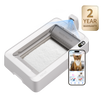
For Large or Giant-Breed Cats, or Skipping Scooping Entirely: Purobot Crystal Duo
The Purobot Crystal Duo takes a different approach, built around an open-top design co-developed with veterinarians and feline behaviorists — since research and real-world feedback consistently show that many cats simply avoid enclosed spaces.
-
An open-top design that gives cats enough room to move and turn around comfortably, addressing the same mobility and comfort concerns discussed earlier.
-
A disposable litter tray system, so maintenance is as simple as pulling out the full tray and replacing it — no scooping, no washing.
-
Dual waste bins enabling up to 30 days of hands-free operation, with a built-in N60 odor eliminator keeping the environment fresh throughout.
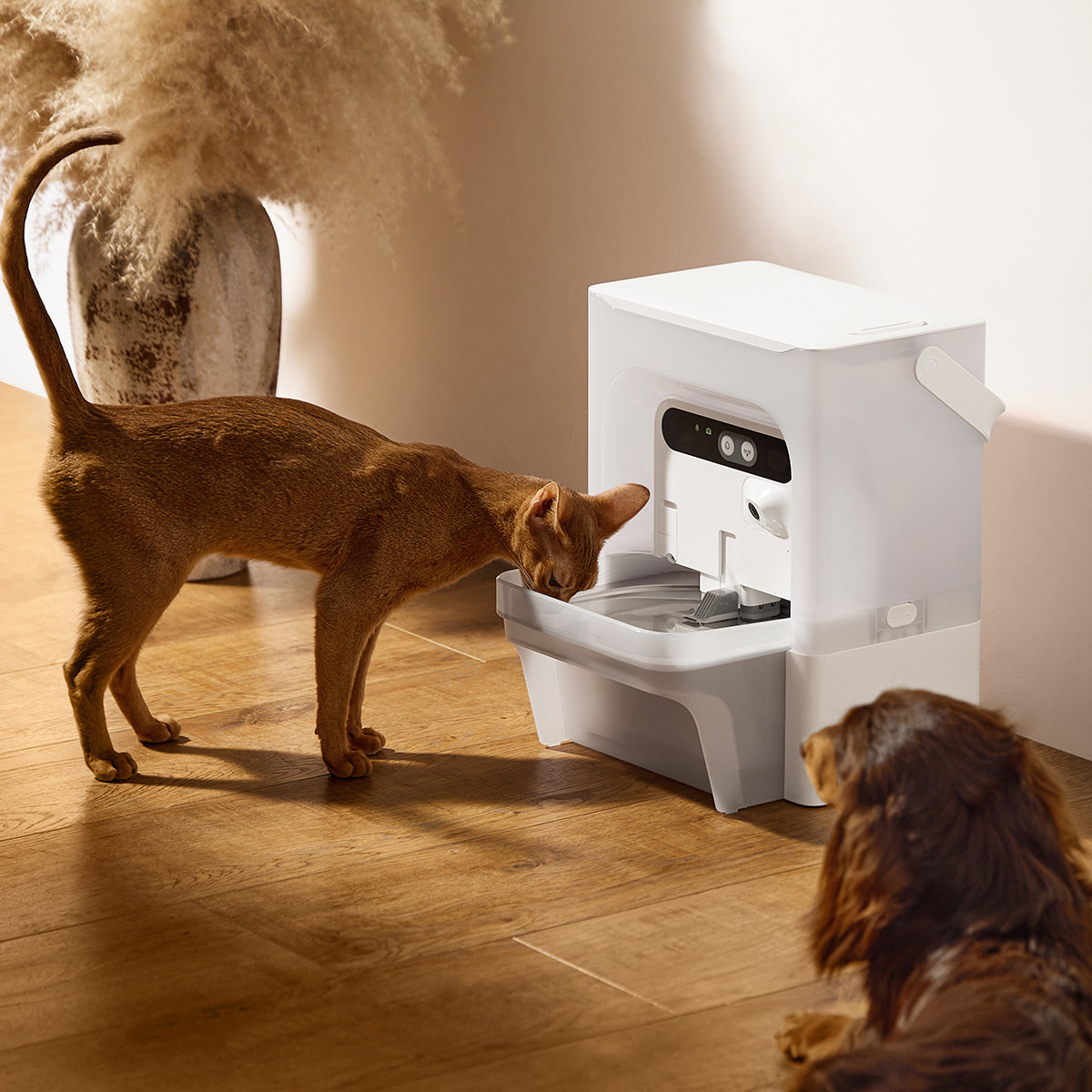
- An AI camera built specifically to watch for early signs of urinary tract issues, pairing naturally with the diabetes- and kidney-related causes mentioned earlier — since those conditions often show up as urinary changes before anything else is obviously wrong.
The Bigger Picture
A cat pooping outside the litter box is frustrating, but it's rarely random, and it's almost never about spite. Somewhere between your cat's body and their environment, something has changed enough to make the box less appealing or less accessible than it used to be.
The fastest way through it is ruling out the physical causes first, then working through the environmental ones methodically rather than guessing at fixes one at a time.
Whether the answer turns out to be a vet visit, a cleaner routine, or a box that's easier to get into, most cats go right back to reliable habits once the actual cause is addressed.
Ready to see the pattern instead of guessing at it? Shop the Purobot Max Pro 2 Automatic Cat Litter Box, Shop the Purobot Ultra Automatic Litter Box, or Shop the Purobot Crystal Duo.