















Quick Answer: There are two main reasons a cat may stop using the litter box: medical problems (such as feline idiopathic cystitis, urinary blockage, constipation, and arthritis pain) and environmental or behavioral issues (such as a dirty litter box, not having enough litter boxes, or competition for litter box access in a multi-cat household).
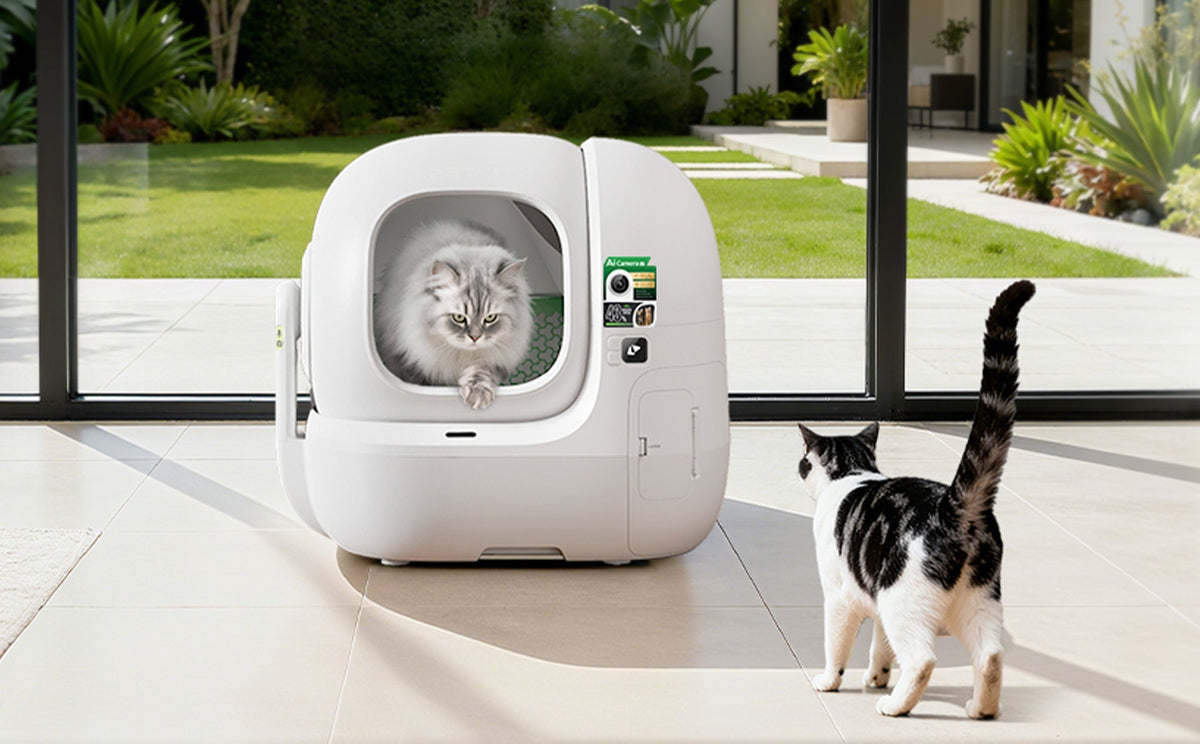
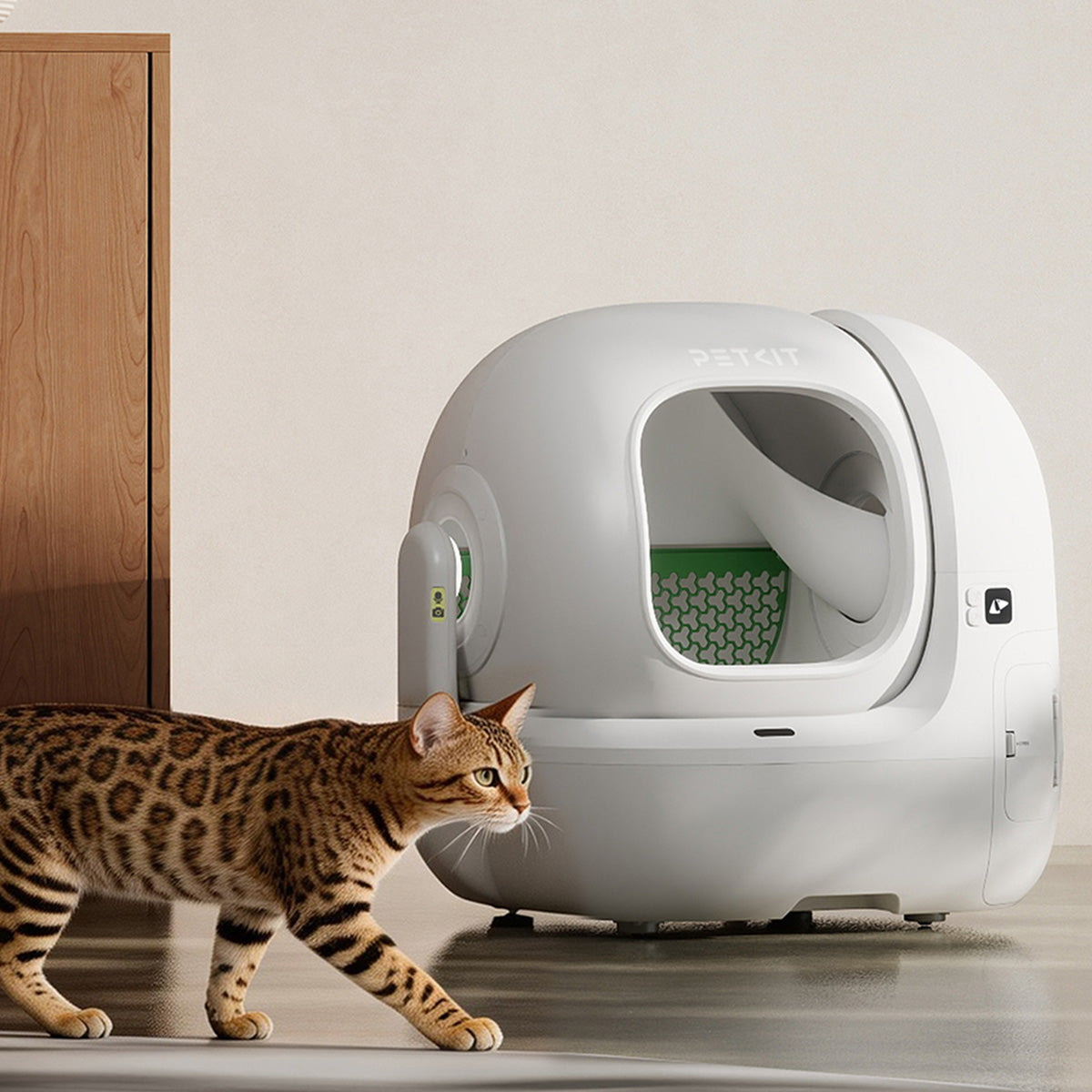
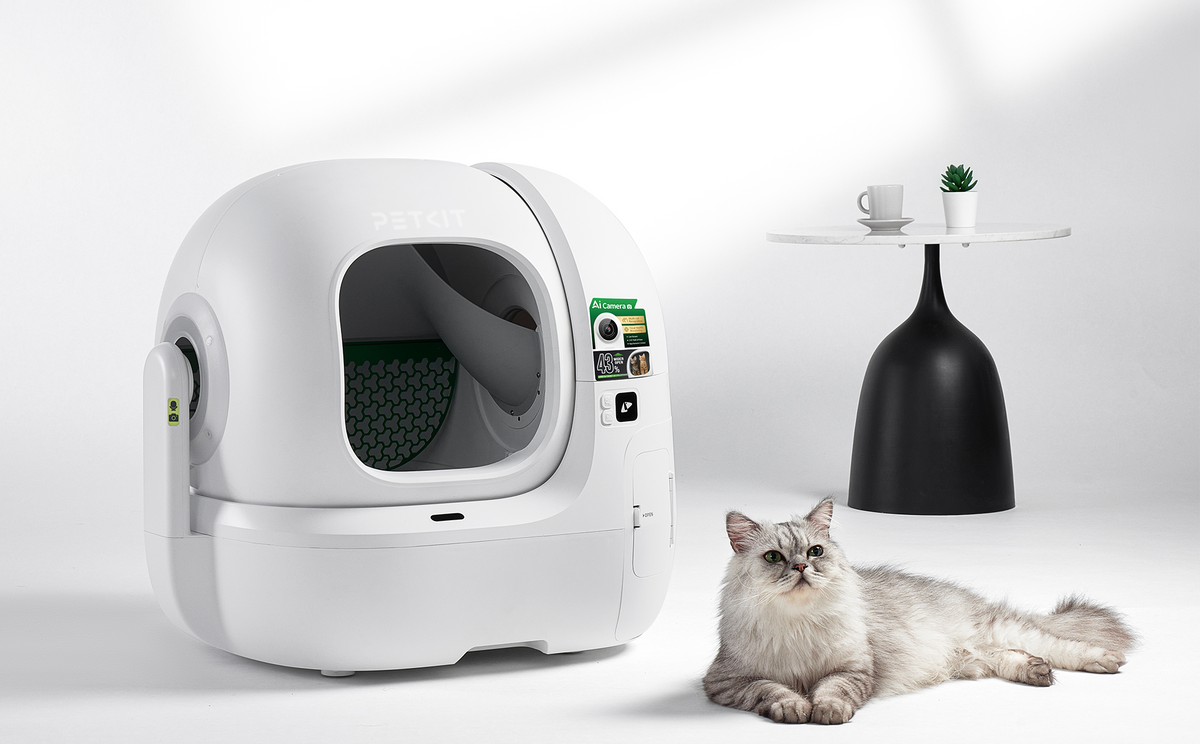
If your cat stops using the litter box, rule out a medical problem first. Once medical causes have been ruled out, many environmental and behavioral issues can be addressed by cleaning the litter box more often or adding more litter boxes. If you cannot identify the cause or the problem keeps coming back, an automatic cat litter box that tracks each cat's litter box visits, weight, and stool can give you a much clearer picture of what is happening. A product such as the PETKIT Purobot Max Pro 2, which combines multi-cat facial recognition with an AI camera, can provide information that is much harder to capture through occasional observation alone and may help your veterinarian narrow down the problem more quickly.
What Are the Most Common Reasons a Cat Stops Using the Litter Box?
A cat may stop using the litter box because of a medical problem or an environmental / behavioral issue.
Medical problems should be considered first because some urinary conditions can become life-threatening if treatment is delayed. Environmental and behavioral issues are the problems pet parents can usually identify and address at home, and they are also the most common causes of litter box problems. According to case statistics from Cornell University's College of Veterinary Medicine, inappropriate elimination accounts for 59% of feline behavior-clinic cases, making it the most common issue seen in feline behavior consultations.
1. Medical Causes
The most common medical reasons for litter box avoidance include feline idiopathic cystitis (FIC) and urinary blockage, followed by constipation, painful defecation caused by colitis, and limited mobility caused by osteoarthritis.
These conditions can make urination or defecation painful or difficult. A cat may repeatedly try to urinate without being able to pass urine, or associate the litter box with pain and start avoiding it. Of these conditions, urinary blockage is the one that can become fatal if treatment is delayed. This is particularly important in male cats, which need veterinary attention the same day rather than waiting to see whether changing the litter box environment helps.
- Feline idiopathic cystitis (FIC) is the most common cause of lower urinary tract signs in cats under 10 years old.Common signs include urinating more often than usual, straining or crying while urinating, frequently licking the genital area, blood in the urine or stool, a swollen or painful abdomen, and increased water intake.
- Male cats require particular attention for urinary blockage (FUO). Their narrower urethra makes obstruction more likely, and a blockage is a true emergency. When urine cannot leave the body, toxins build up and kidney damage or death can occur within 24–48 hours. Repeatedly squatting and straining without producing urine, along with excessive licking of the hindquarters, are classic warning signs. If you see these signs, seek veterinary care immediately rather than waiting to see if the problem resolves on its own.
- Female cats are less likely to develop life-threatening urinary blockage, but they can still develop FIC or urinary tract infections. These conditions may be accompanied by lethargy, loss of appetite, vomiting, and frequent trips to the litter box.
- Constipation or colitis can make defecation painful, causing a cat to avoid the litter box.
- Litter box avoidance caused by osteoarthritis is usually gradual. Cats over six years old may become reluctant to jump, appear stiff after resting, or struggle with a litter box that has a high entrance. As a result, they may start avoiding the box.
2. Environmental and Behavioral Causes
The most common environmental and behavioral causes include an unclean litter box, too few litter boxes or poorly chosen locations, a box that is too small or difficult to enter, an unfavorable type of litter, territorial conflict in multi-cat households, a stressful event, and a cat developing a new habit of eliminating somewhere else.
A study of house-soiling in domestic cats in Italy found that litter characteristics, litter box characteristics, the cat's breed and age, and stress in multi-cat households are among the major risk factors associated with environmental and behavioral elimination problems (Factors associated with house-soiling in Italian cats, PMC).
These problems are generally not life-threatening, but they are common and are also the main category that pet parents can investigate and improve themselves. Checking these factors one by one can often resolve many litter box problems.
- A dirty litter box is the most common environmental cause. Cats are highly sensitive to the cleanliness of their toileting area. If a litter box is not cleaned often enough, a cat may simply refuse to use it. AAFP/ISFM guidelines list litter box cleanliness and litter replacement among the major preventable triggers and recommend cleaning the box at least once a day. An automatic self-cleaning litter box, such as the PETKIT Purobot Max Pro 2, can automatically remove waste after each use and keep the litter box cleaner throughout the day.
- Not having enough litter boxes, or putting them in the wrong places, is especially easy to overlook in multi-cat households. The general rule is one litter box per cat, plus one extra. For example, a home with two cats should have three litter boxes, and they should be spread out rather than placed together. A study examining risk factors for periuria in domestic cats found that living in a multi-cat household increases the risk of marking and inappropriate elimination (Common Risk Factors for Urinary House Soiling in Cats, PMC). If you recently added another cat or the relationships within your cat group have changed, the number of litter boxes that used to be enough may no longer be enough. One cat may avoid the litter box simply because another cat is using or guarding it. Checking the number and placement of your litter boxes is therefore one of the first things to do when a cat starts avoiding the box.
- A litter box that is too small or has a high entrance can make it difficult for a cat to get in and out. This is especially important for senior cats and cats with arthritis, and it is one of the environmental issues that can overlap with a medical problem such as joint pain.
- A sudden stressful event, such as bringing home a new pet or having a house guest stay over, can make a cat wary of its usual litter box area and cause it to avoid the box.
- A cat may learn to treat an inappropriate location as its new toilet. This is one of the environmental and behavioral causes that is easiest to overlook. Once a cat develops an elimination habit on a carpet, sofa, mattress, or another location, it may continue using that location even after the original trigger—such as a dirty or insufficient number of litter boxes—has been resolved. The location itself may then need to be addressed separately.
Does a Cat Not Using the Litter Box Need to See a Veterinarian Immediately?
A cat should see a veterinarian the same day if any of the following signs occur:
- Repeatedly straining to urinate but producing little or no urine, especially in a male cat
- Crying or vocalizing while eliminating
- Frequently entering and leaving the litter box without producing urine or stool
- Visible blood in the urine or stool
- Lethargy, decreased appetite, or vomiting
A urinary blockage can become fatal within one to two days without prompt treatment.
If the problem appears to be environmental or behavioral, pet parents can first check the litter box setup and other possible triggers and see whether the cat's behavior improves.
How Can You Detect Problems Earlier?
Tracking each cat's normal litter box habits over time can reveal changes earlier than occasional visual observation. An automatic cat litter box with a camera and weight sensors, such as the PETKIT Purobot Max Pro 2, can do this by continuously recording each cat's litter box behavior.
Many of the medical warning signs discussed above—such as increased urination, repeated attempts to urinate without producing urine, urine pH, or blood in the stool—can be difficult to notice through occasional observation alone. By the time a pet parent notices a clear symptom, the problem may already have become more serious. Continuous tracking provides an objective baseline that can be compared over time instead of relying on memory.
Most pet parents remember the moment they first realized something was wrong. What is much harder to notice is the gradual change that may have happened during the previous three weeks, such as a slow decline in litter box use. This is a natural blind spot of relying on observation alone.
A litter box that relies only on weight sensing can record that "a cat entered or left," but it cannot determine whether the behavior was a normal toileting event, identify which cat used the litter box, or show what the stool or urine actually looked like.
A 2025 study published in Applied Animal Behaviour Science found that models trained with both camera and sensor data could track dozens of elimination-related behaviors and identify changes that deviated from an individual cat's normal baseline. This goes well beyond what can be detected through weight or entry-and-exit data alone.
The following features of the PETKIT Purobot Max Pro 2 can help pet parents identify these early warning signs:
- AI camera + precision weight sensors: The system continuously records toileting data such as frequency, duration, and weight for each visit, rather than simply recording whether a cat entered or left the box. This creates the data needed to establish each cat's individual baseline.
- Multi-cat facial recognition: AI facial recognition connects each litter box visit to a specific cat, creating individual records for each cat and distinguishing up to 15 cats. In a multi-cat household, combining every cat's data can hide a change in one individual. Facial recognition addresses that problem by keeping each cat's records separate.
- Urine pH and litter-clump analysis: When paired with PETKIT pH urine monitoring cat litter, the AI camera can record litter clumps and track changes in urine pH over time. Changes in pH may occur before visible signs such as blood in the urine or straining to urinate, which makes pet parents pay closer attention to their pet’s condition before it becomes serious enough to require emergency care.
- Stool condition tracking: The camera continuously records stool condition. Changes such as softer stool or an unusual posture may appear before a cat completely stops using the litter box. Tracking this information separately can therefore reveal problems earlier than simply monitoring whether the cat uses the box.
- vocalization detection: This helps fill the gap when a pet parent is not nearby. Vocalizing during elimination can indicate pain, but owners cannot be present for every litter box visit.
- App data access: This turns recorded data into information the pet parent can actually review and act on. The app keeps a continuous, reviewable record of each cat’s litter box activity—for example, how many days it’s been since a cat was last recorded using the box—so pet parents can check in and spot a pattern themselves rather than relying on memory. This record-keeping step is essential to the early-detection process: the data collected by the other features is only useful if the pet parent can easily see and interpret it.
The PETKIT Purobot Max Pro 2 also includes several design features intended to improve comfort and make maintenance easier, including an extra-large entrance for senior and large cats, an 8L sealed waste bin that reduces how often it needs to be emptied, an incomplete gear design, and anti-pinch safety sensors. These features make the litter box more comfortable for cats to use consistently while also making it easier for pet parents to manage.
How Can You Help a Cat Start Using the Litter Box Again?
The most important step is to figure out why the cat stopped using the litter box and then address that specific problem. If pain or another health issue is causing the avoidance, the medical problem needs to be treated first. If the cause is a dirty litter box, an unwanted type of litter, a poor location, or conflict between cats, those environmental factors need to be addressed. If the cat has already developed a habit of eliminating elsewhere, any lingering odor should also be removed so the area does not continue to feel like an appropriate bathroom.
1.First, make sure the cat is not experiencing a health problem.
If a cat suddenly stops using the litter box and is also straining, crying, passing bloody stool, constipated, experiencing diarrhea, vomiting, eating less, or behaving unusually, consult a veterinarian first. If pain or another medical problem has not been addressed, simply changing the litter box or trying to modify the cat's behavior is unlikely to solve the problem.
2. Make the litter box clean and easy to use again.
Check whether the box needs to be cleaned more frequently, whether the litter's type, scent, or texture has changed, and whether the box is large enough and easy to enter. For cats that have started avoiding the box because it is not clean enough, an automatic self-cleaning litter box can remove waste after each use, reducing the amount of time waste remains in the box and potentially making the litter box more appealing again.
3. Check the number and location of the litter boxes.
Litter boxes should be placed in quiet, easy-to-reach areas where cats can see what is happening around them and leave without difficulty.
For multi-cat households, use the general rule of one litter box per cat plus one extra when checking whether you have enough boxes. Whenever possible, spread them across different areas rather than putting them all in one location. This gives cats more options and reduces the chance that one cat will block another from accessing a litter box.
- If the cat has started eliminating somewhere else, remove the residual odor.
- If a cat repeatedly eliminates on a carpet, floor, or another surface, simply fixing the litter box setup may not immediately change the behavior. These areas should be thoroughly cleaned to remove as much of the residual odor as possible. If necessary, temporarily limit the cat's access to places where it has already developed an elimination habit.
- It is also worth paying attention to whether the cat has a strong preference for a particular surface. For example, if it consistently eliminates on carpet, check whether the litter's particle size, texture, and depth match the cat's preferences.
4. In multi-cat households, look for conflict between cats.
If a cat is reluctant to approach the litter box, check whether another cat is waiting near the box, blocking the entrance or exit, or chasing the cat when it passes by. In these situations, simply adding more litter boxes may not be enough. You may also need to change their locations so the cat has multiple options and different ways to enter and leave.
In a multi-cat household, tracking each cat's number of litter box visits, usage time, and changes in usage can be especially valuable. If you do not know which cat has started using the litter box less often, it is difficult to tell whether an environmental change has actually worked. A smart cat litter box with multi-cat recognition, a camera, and weight sensors can continuously track individual cats and help owners identify changes in one cat's behavior.
FAQ: Why Is My Cat Not Using the Litter Box?
Why is my cat not using the litter box if there are no obvious signs of illness?
If obvious medical signs have been ruled out, the most likely cause is an environmental change. The litter box may not be cleaned frequently enough, the number or location of litter boxes may have changed, a new source of stress may have appeared in the home (such as a new pet, renovation noise, or a house guest), or the type of litter may have become uncomfortable or undesirable for the cat.
Is a female cat urinating on walls because she is not using the litter box?
Not necessarily. Spraying small amounts of urine on vertical surfaces such as walls or furniture is typically a marking behavior during estrus, used to signal mating availability. Normal urination on horizontal surfaces outside the litter box is more commonly associated with ordinary litter box avoidance. The causes and solutions for these two behaviors are different.
How many litter boxes should a multi-cat household have?
The general rule is one litter box per cat plus one extra. For example, a household with two cats should have three litter boxes. They should also be distributed across different locations rather than concentrated in one place to reduce conflicts caused by cats controlling access to litter boxes.
Can a smart cat litter box really detect problems earlier than human observation?
It can, provided the device has both a camera and weight sensors and supports multi-cat recognition. A litter box that relies only on weight sensing can determine that "a cat entered or left," but it cannot identify which cat it was, determine whether the event was normal toileting, or show the actual condition of the stool and urine. These details are important for detecting changes earlier.
My cat stopped using the litter box after I switched to an automatic cat litter box. Is the device broken?
Not necessarily. When switching from a traditional litter box to an automatic cat litter box, even when the device is working normally, it is common for a cat to temporarily avoid the new box for several days to one or two weeks. This is usually caused by unfamiliarity with the new device rather than a malfunction.
First, confirm that the cleaning cycle, sensors, and other functions are operating normally. Then reintroduce the automatic cat litter box gradually to help the cat become accustomed to it.