









It's 6 a.m., and a persistent meow from the foot of your bed is doing a better job waking you up than your alarm ever could. You already know what it means. Sound familiar? "How many times a day should I feed my cat?" is one of the most common questions new and experienced cat parents ask, and the honest answer is: it depends on more than you might think.
Getting feeding frequency right isn't just about keeping your cat quiet. It's directly tied to digestion, weight, energy levels, and long-term health. Feed too infrequently, and you risk overeating, vomiting, or begging behavior. Feed too often without portion control, and you're looking at gradual weight gain that's hard to reverse. So before reaching for a one-size-fits-all number, it helps to understand why cats eat the way they do in the first place.
Why Cats Aren't Built for Three Square Meals
Unlike humans, cats are obligate carnivores with a digestive system designed for frequent, small meals rather than a few large ones. In the wild, a cat's ancestors would hunt and consume 8 to 10 small prey animals a day. Their stomachs are relatively small, and their metabolism is tuned to process protein-rich food in modest amounts throughout the day rather than in one or two big sittings.
This is why many cats will graze if given the chance, nibbling small portions repeatedly rather than eating everything at once. It's also why a cat that's fed only once or twice a day may start gulping food quickly, begging persistently, or even vomiting shortly after a meal, since the body simply isn't built to process a large volume in one go.
That said, "natural" doesn't always translate directly into "ideal" for a domestic cat living indoors with a very different activity level and calorie need than a wild hunter. This is where individual factors come into play.
What Determines How Often Your Cat Should Eat
For most healthy adult cats, veterinarians generally recommend two to four meals a day, spaced evenly to avoid long gaps that can lead to stomach acid buildup, nausea, or overly enthusiastic eating at the next meal. Kittens, on the other hand, have much higher energy needs relative to their size and smaller stomach capacity, so three to five smaller meals a day is typically more appropriate to support healthy growth without overwhelming their digestion.
Several factors shape what's actually right for your specific cat:
- Age. Growing kittens need frequent meals to fuel rapid development, while senior cats may need fewer, easily digestible meals, or more frequent small ones if they have reduced appetite or dental issues.
-
Weight and body condition. An overweight cat may benefit from smaller, more frequent meals to manage hunger without excess calories, while an underweight cat recovering from illness might need calorie-dense meals spaced closely together under a vet's guidance.
-
Health conditions. Diabetes, kidney disease, or gastrointestinal sensitivity often require very specific feeding schedules, since consistent timing helps stabilize blood sugar or reduce digestive strain. If your cat has a diagnosed condition, always follow your veterinarian's feeding plan rather than general guidelines.
-
Activity level and lifestyle. An indoor cat with lower energy expenditure has different caloric needs than an active, outdoor-roaming cat, which affects both portion size and how that food is best divided across the day.
- Household size. Multi-cat households add another layer of complexity entirely. When cats share a feeding space, it's easy for one cat to overeat while another is quietly under-fed, a pattern that can go unnoticed for months.
Why "Just Free-Feed Them" Isn't Always the Easy Way Out
Faced with all these variables, many pet parents fall back on free-feeding, leaving a bowl of dry food out all day so the cat can eat whenever they like. It sounds convenient, but it comes with real downsides. Free-feeding removes the structure that helps you notice changes in appetite, which is often one of the earliest signs of illness in cats. It also makes portion control nearly impossible, and indoor cats in particular are prone to weight gain when food is available around the clock without corresponding activity.
In multi-cat homes, free-feeding creates an even bigger blind spot: you genuinely can't tell which cat is eating how much, which means a cat that's quietly losing its appetite, a common early symptom of dental pain, kidney issues, or stress, can go unnoticed until the problem is more advanced.
The healthier alternative is a scheduled, portion-controlled feeding routine that mimics the "little and often" pattern cats are naturally drawn to, while still giving you visibility and control over exactly how much each cat eats and when.
Making a Consistent, Portion-Controlled Routine Effortless
Understanding the theory is one thing; sticking to it every single day, including the mornings you oversleep or the evenings you're stuck in traffic, is another. This is exactly the gap that smart feeding technology is designed to close. By automating schedules, controlling portions, and keeping track of each meal, smart feeders make it easier to build a consistent feeding routine that works for both pets and owners.
For Multi-Cat or Multi-Diet Households: YumShare Dual-hopper 2
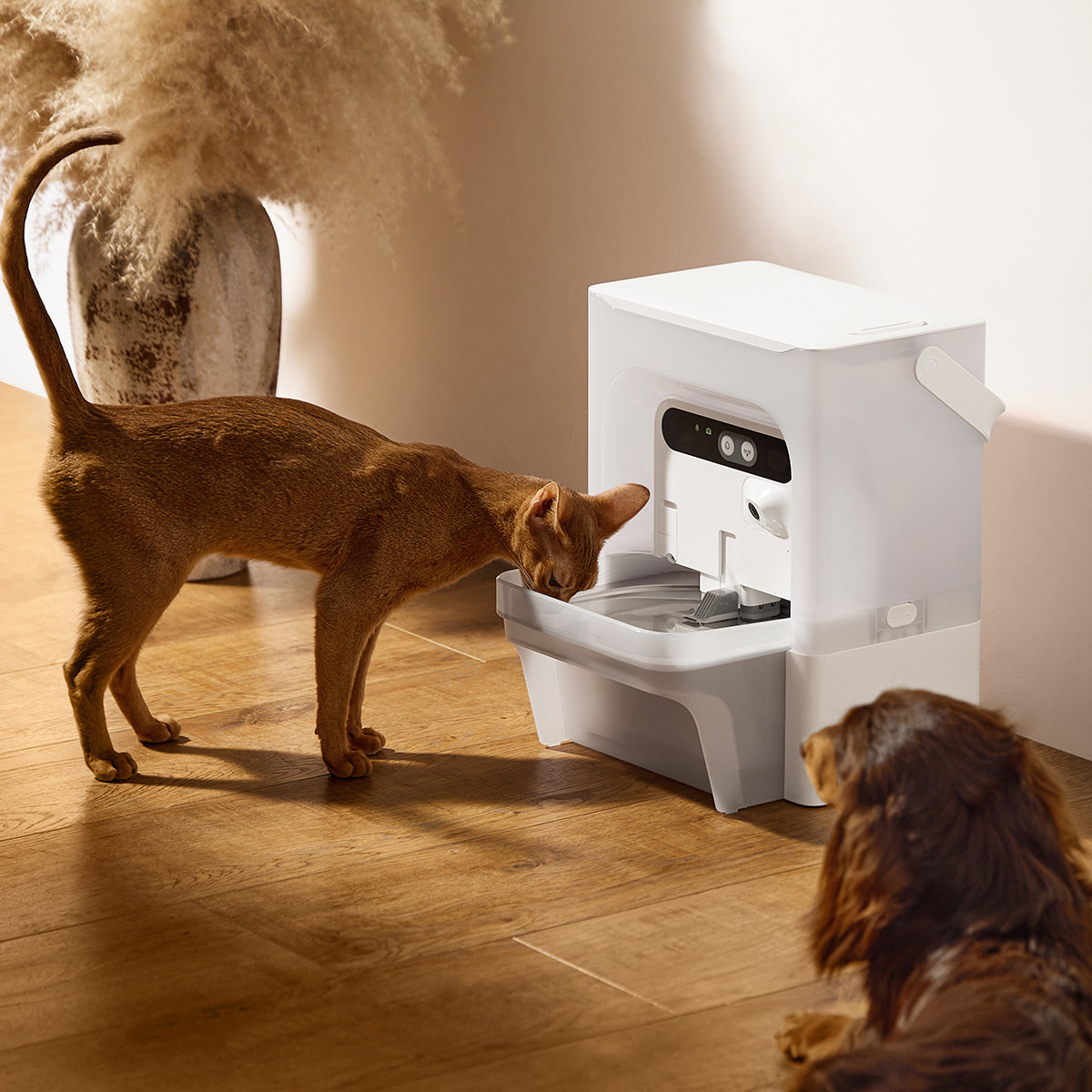
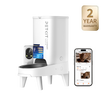
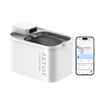
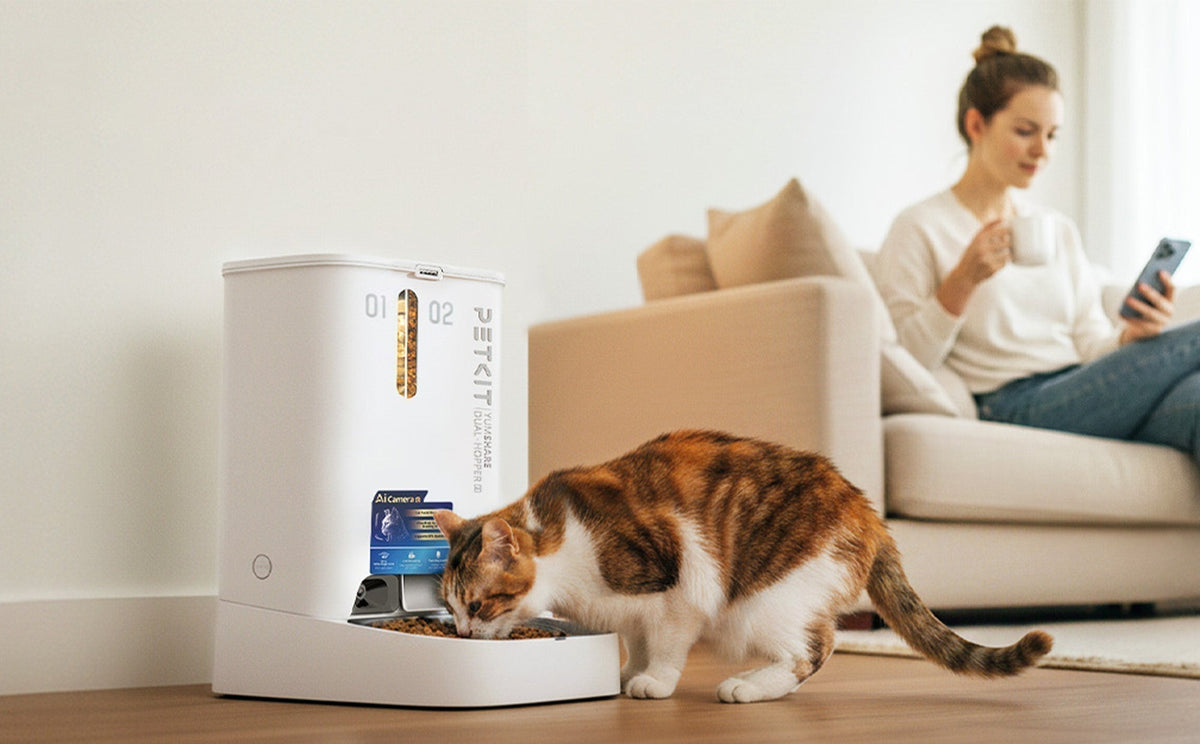
YumShare Dual-hopper 2 Automatic Cat Feeder ’s dual hopper design stores two types of food separately, each on its own schedule, so every meal matches your pet’s preferences and nutritional requirements. Cats benefit from variety and nutritional completeness, so being able to serve a staple kibble from one hopper and a complementary food, freeze-dried topper, or supplement from the other in one seamless serving makes it easier to keep meals rounded and appealing without extra bowls or manual mixing.
Keeping Track of Every Cat Individually
For multi-cat households specifically, the feeder's AI facial recognition can identify each individual cat as they approach the feeder and log their feeding data separately in the PetKit app. That means no more wondering which cat finished their bowl and which one didn't touch their food; you get a clear, individual feeding history for every cat under your roof, making it much easier to catch subtle appetite changes early.
Seeing Every Meal, Not Just Every Dispense
Because overfeeding is as much a visibility problem as a scheduling one, the built-in AI camera also monitors the bowl after each meal, capturing before-and-after images so you can see exactly how much food was actually eaten, not just how much was dispensed. If the remaining food falls within your set range, the feeder automatically pauses further dispensing, helping prevent surplus food from sitting out and going stale. And with the 1080P camera, wide viewing angle, night vision, and two-way audio, you can check in on mealtime from anywhere, greet your cat through the app, or simply confirm that the quietest cat in the house is, in fact, eating just fine.
Enough Capacity to Feed Longer
With a 5L (21-cup) capacity, the feeder can comfortably cover an extended feeding cycle for a single cat or support a multi-cat home without constant refilling, and a battery backup option (D batteries, sold separately) keeps scheduled meals running even through a power outage, so the routine you've built doesn't break just because the power did.
If you'd like to see the full story behind how this system tracks every cat and every meal, we've gone deeper into the design and thinking in this feature on YumShare Dual-hopper 2.
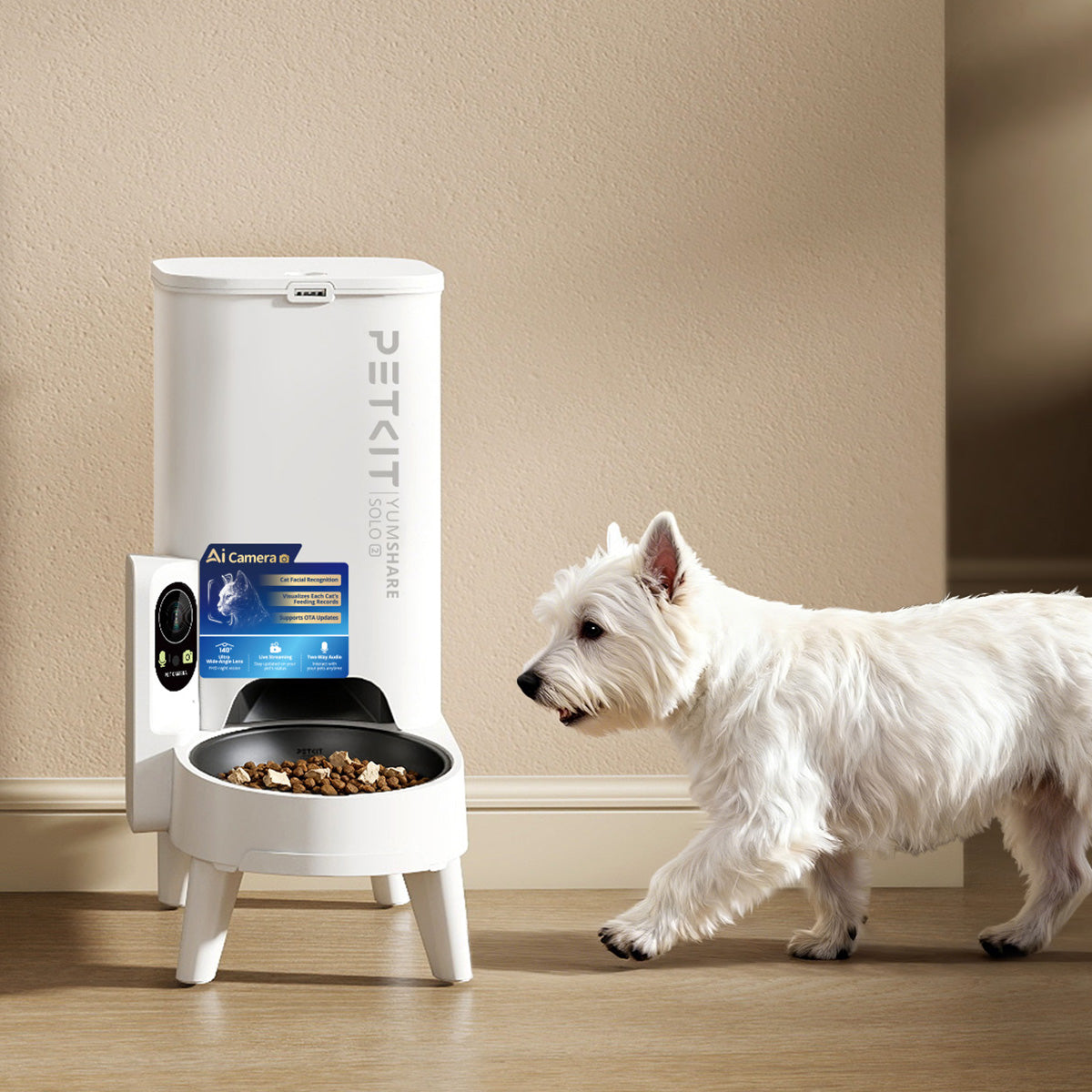
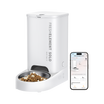
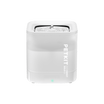
If you're feeding one or two cats with a consistent diet and don't need the flexibility of managing multiple food types, the YumShare Solo 2 Automatic Feeder with Camera offers the same core promise, scheduled meals, precise portions, AI facial recognition, and before-and-after bowl images, in a more compact single-hopper design sized to hold about 15 days of food for one cat. You can read more about how it handles the details in Introducing YumShare Solo 2: See Every Meal, Know Every Cat.
Finding the Feeding Rhythm That Works for Your Cat
There's no single number that fits every cat, but there is a principle that holds true across almost all of them: consistency and appropriate portioning matter more than any specific meal count. Two to four meals a day is a solid starting point for most healthy adult cats, three to five for kittens, and always a conversation with your vet if your cat has a health condition that changes the equation.
What matters most is building a routine you can actually maintain, one that adapts to your cat's real needs rather than your schedule's limitations. With the right structure, and a little help from technology that never forgets to refill the bowl on time, feeding your cat well stops being a daily guessing game and becomes simply part of caring for them.


