
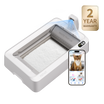
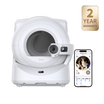
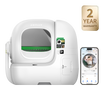
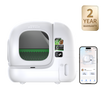
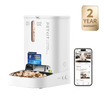
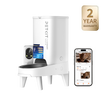
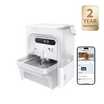
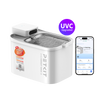

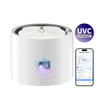



Quick Answer: Kitbo is PETKIT's first AI-powered pet health assistant. It integrates data from compatible PETKIT smart devices, including smart litter boxes, water fountains, and feeders, to build a personalized health baseline for each pet. By combining device data with AI-powered records, natural-language answers, and alerts, Kitbo helps pet parents understand their pet's normal patterns, identify meaningful changes, and know what deserves closer attention. Select Kitbo AI features are expected to launch by the end of 2026.
Why Is It Hard for Pet Parents to Keep Up With So Much Device Data?
Today, more pet households are using connected devices such as smart litter boxes, smart water fountains, and smart feeders. These devices collect different types of daily pet-health data, including litter box visits, water intake, food intake, and body weight.
However, this data is typically stored across separate devices, making it difficult for pet parents to see how changes in one health metric relate to changes in another.
On August 18, 2026, PETKIT launched Kitbo, its AI-powered pet health assistant. Kitbo is powered by PETKIT AI and is designed to integrate pet-health data from compatible PETKIT smart devices.
What Are Kitbo's Three Core Capabilities?
1、How Does Kitbo Answer Pet Health Questions?
Kitbo supports natural-language, multi-turn conversations about a pet's health data and trends. Pet parents can ask Kitbo directly on the PETKIT app, "Has Lucky's weight been changing normally lately?"
Kitbo can analyze Lucky's historical weight data collected by a compatible smart litter box with a built-in weighing function. It can summarize Lucky's typical weight range over time. Where relevant reference data is available, Kitbo can also provide data based on factors such as breed and other applicable characteristics.
Pet parents can ask follow-up questions about the trend. Kitbo can present Lucky's weight trend over time and explain how factors such as age or season may relate to the observed change.
Pet parents can then ask, "How has Lucky's litter box activity been lately?"
Kitbo can summarize recent litter box activity, including visit frequency, visit duration, and any notable changes in stool or urine. If a pet parent asks what could cause unusually frequent litter box visits, Kitbo can provide likely explanations and cross-reference the pattern with water-intake data to identify related changes that may be relevant.
Kitbo's responses are based on the pet's available device data combined with PETKIT's AI knowledge base, rather than relying solely on generic pet-health information. Kitbo also supports multi-turn conversations, allowing pet parents to ask follow-up questions and explore a health trend without restarting the conversation.
Kitbo's health reports pull everything into one organized summary that pet parents can share with their vet.
2、How Does Kitbo AI Help Vets Diagnose Faster?
Different health conditions can be associated with different combinations of behavioral and physiological patterns. Looking at water intake and litter box activity together is one example.
- Increased drinking and increased urine volume: may be associated with conditions such as chronic kidney disease, diabetes, or hyperthyroidism.
- Increased drinking and decreased urine volume: may be associated with urinary tract obstruction or certain kidney or cardiac conditions.
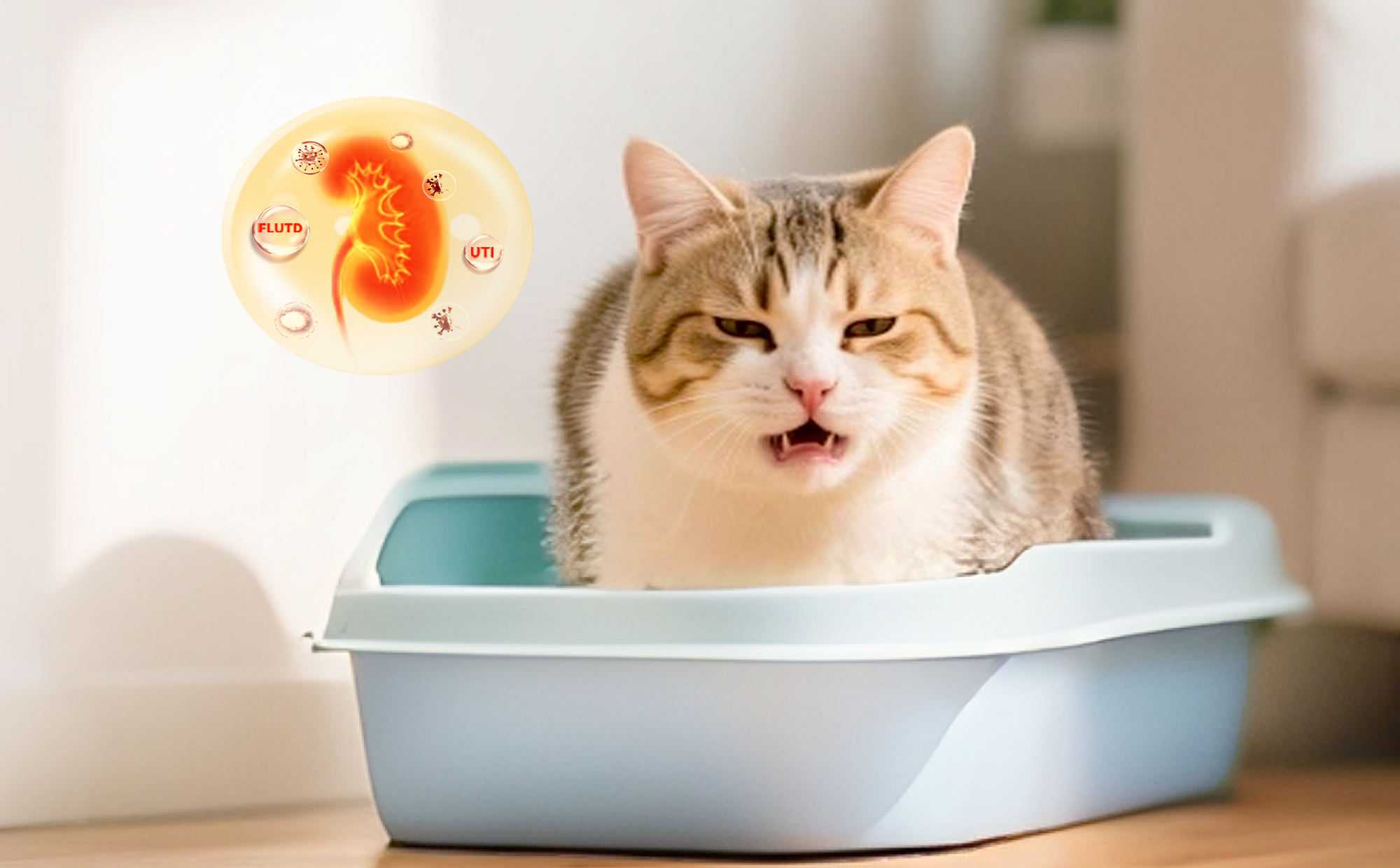
- Normal drinking and frequent urination with low volume: may be associated with lower urinary tract conditions such as cystitis or crystalluria.
Kitbo continuously tracks multi-dimensional data such as drinking, urination, and appetite, capturing subtle changes that are hard for humans to notice. This lets parents provide more specific information when seeking medical care, streamlining the diagnostic process and helping vets reach a diagnosis sooner.
3、How Does Kitbo Track a Health Baseline for Each Cat?
Kitbo builds a continuously updated, individualized health profile for each cat rather than a static health record. As more data is collected over time, the profile becomes increasingly personalized to that cat's normal patterns.
For households with multiple cats, Kitbo tells cats apart accurately using AI-powered recognition:
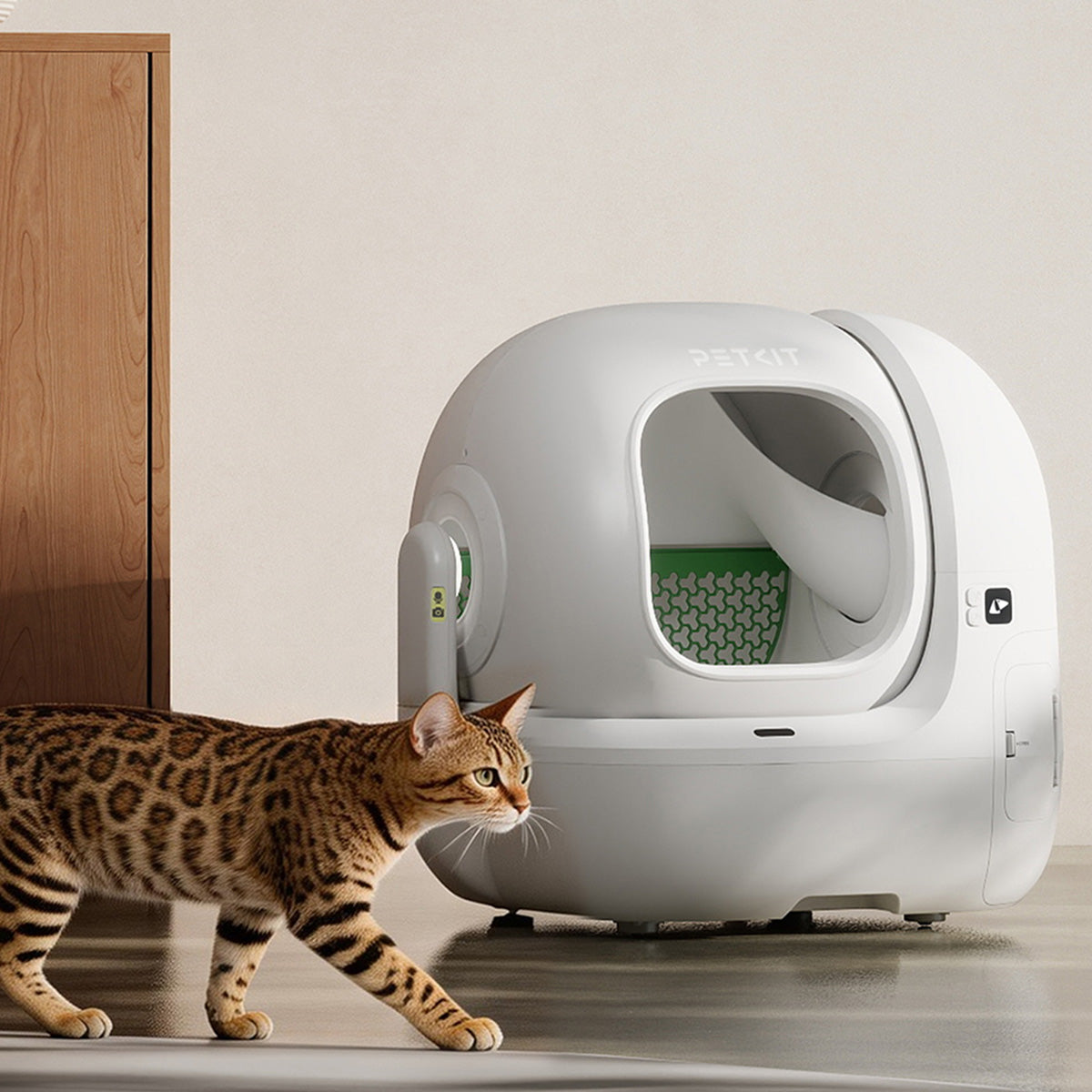
- Autoamtic Litter box: Uses AI-powered camera technology to identify individual cats, helping distinguish cats even when they have similar body weights.
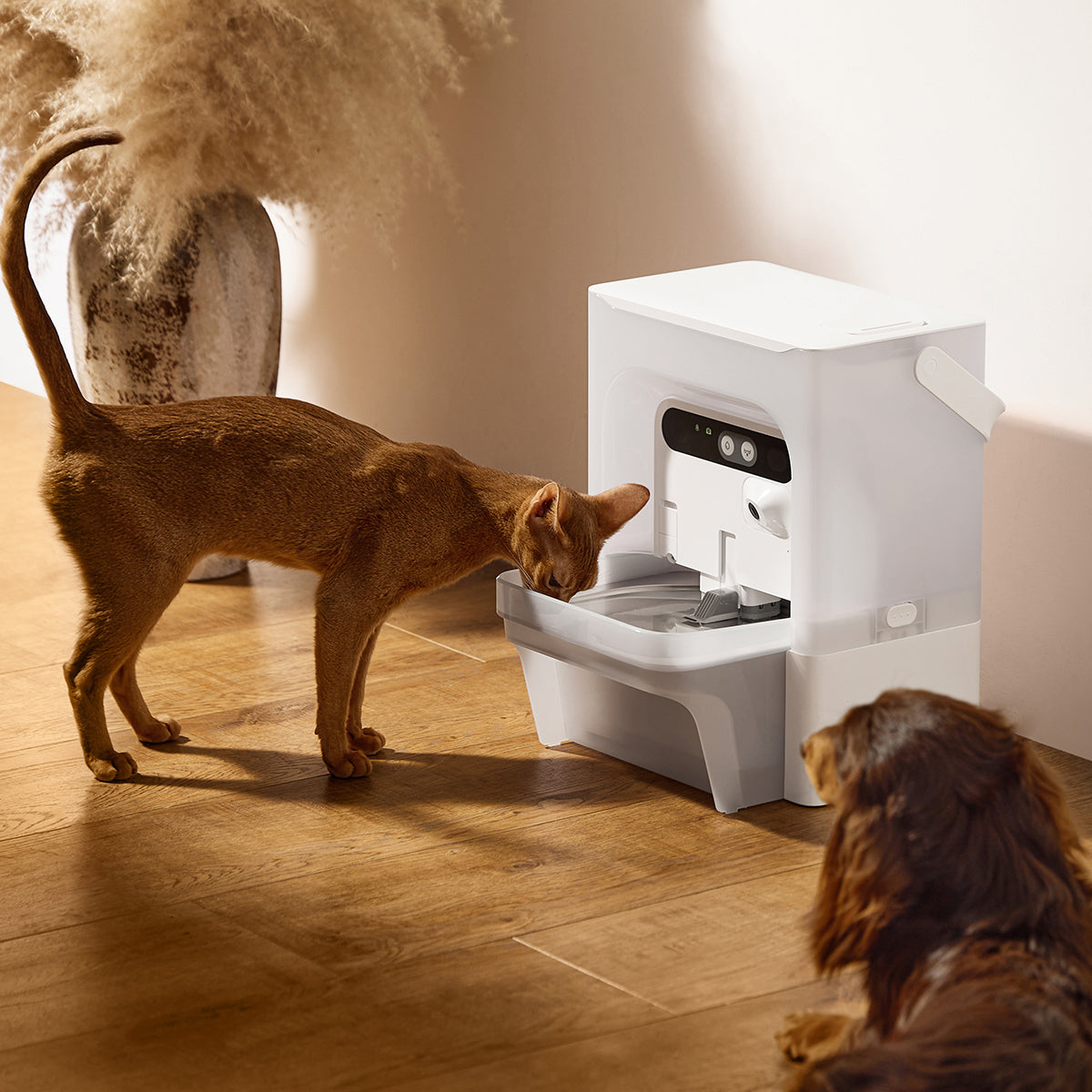
- Smart Water fountain: Uses AI-powered camera technology to identify individual pets and track their drinking behavior.
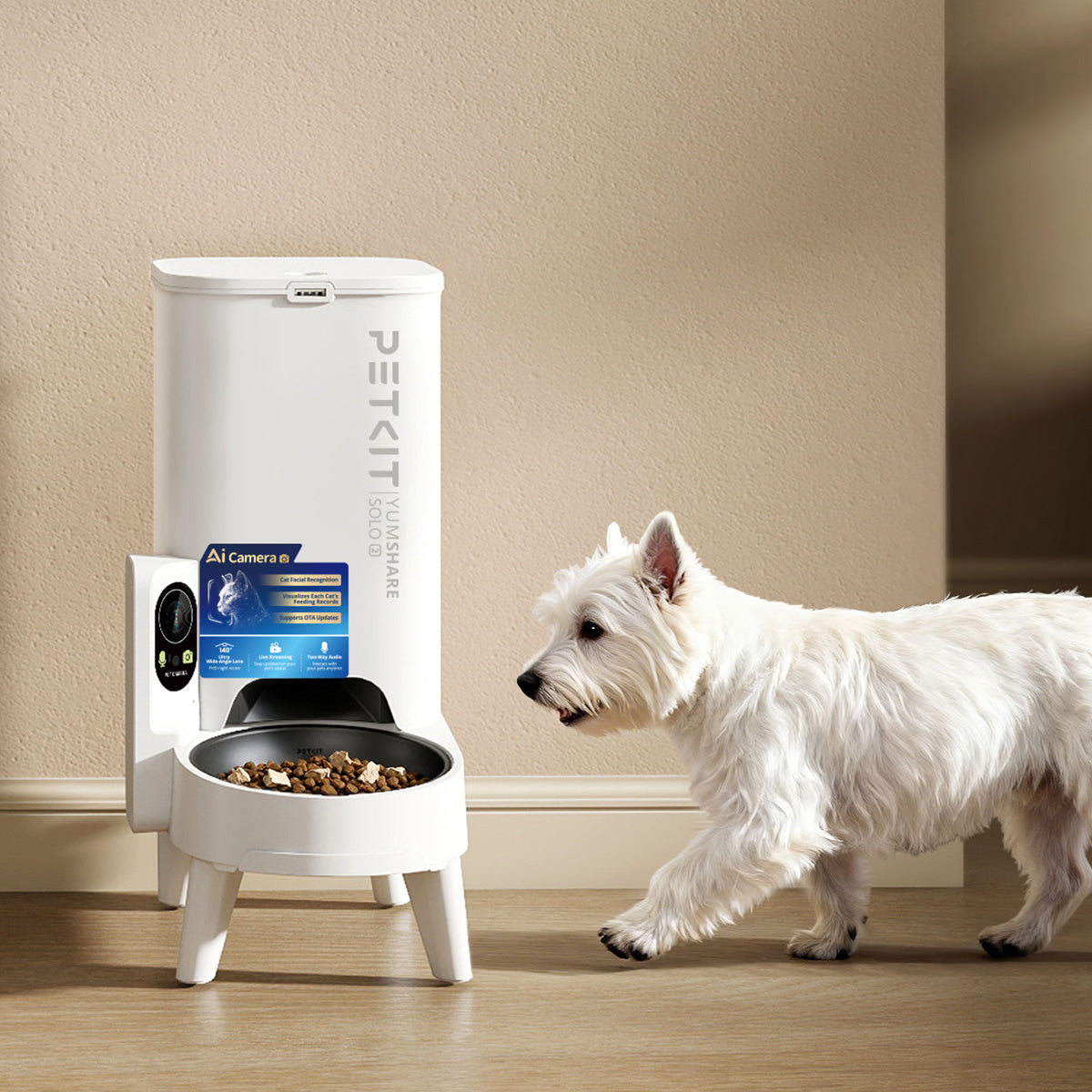
- Samrt Feeder: Uses AI-powered camera technology to identify individual cats and record their individual eating activity.
Each cat has its own normal patterns for metrics such as water intake, food intake, body weight, and litter box activity. As more data is collected, the cat's personalized baseline is continuously updated to better reflect its normal patterns.
This means Kitbo can evaluate changes in the context of an individual pet's historical data rather than applying the same baseline to every cat.
What Does a Kitbo Health Report Include?
Kitbo can automatically generate a health report that consolidates key information from compatible PETKIT smart devices, including:
- Litter box visit frequency and changes over time
- Daily water intake trends
- Food intake and weight changes
A summary showing how each metric compares with the cat's established baseline
Instead of reviewing data from multiple devices separately, pet parents can access a consolidated, easy-to-understand health summary in one place. This makes it easier to follow long-term trends and recognize changes that may otherwise be overlooked.
How Does Kitbo's Data-Driven Preventive Health Management Work?
PETKIT's data-driven health management approach focuses on three stages:
- Early detection: Identifying subtle changes that may be difficult to notice through occasional observation.
- Precise, Data-Backed Support: Using multiple data points to provide context around observed changes.
- Ongoing, Long-Term Care: Continuously updating the pet's health profile as its needs and health patterns change over time.
Kitbo brings this approach to life in a single AI-powered assistant.
For example, when Kitbo detects a decrease in litter box visits, it can cross-reference the change with water-intake data to determine whether water consumption has also decreased. If decreased water intake, weight changes, and changes in food intake occur together, Kitbo can flag the combined pattern for the owner to take a closer look.
The value comes from connecting data across multiple devices rather than evaluating each metric in isolation.
How PETKIT Is Evolving from Convenience to Proactive Healthcare?
PETKIT is expanding from individual smart pet-care products toward an integrated pet-health management platform powered by AI.
- In 2026, PETKIT won the "Microsoft AI Innovation Award" at CES and was selected for The Verge's "Best Launched Tech Products at CES 2026";
- To date, PETKIT has served over 6 million pet-owning households worldwide, with products sold in more than 180 countries and regions.
The launch of Kitbo means parents no longer need to piece together information from a jumble of device notifications — all health data will be integrated, interpreted, and presented in one place.