













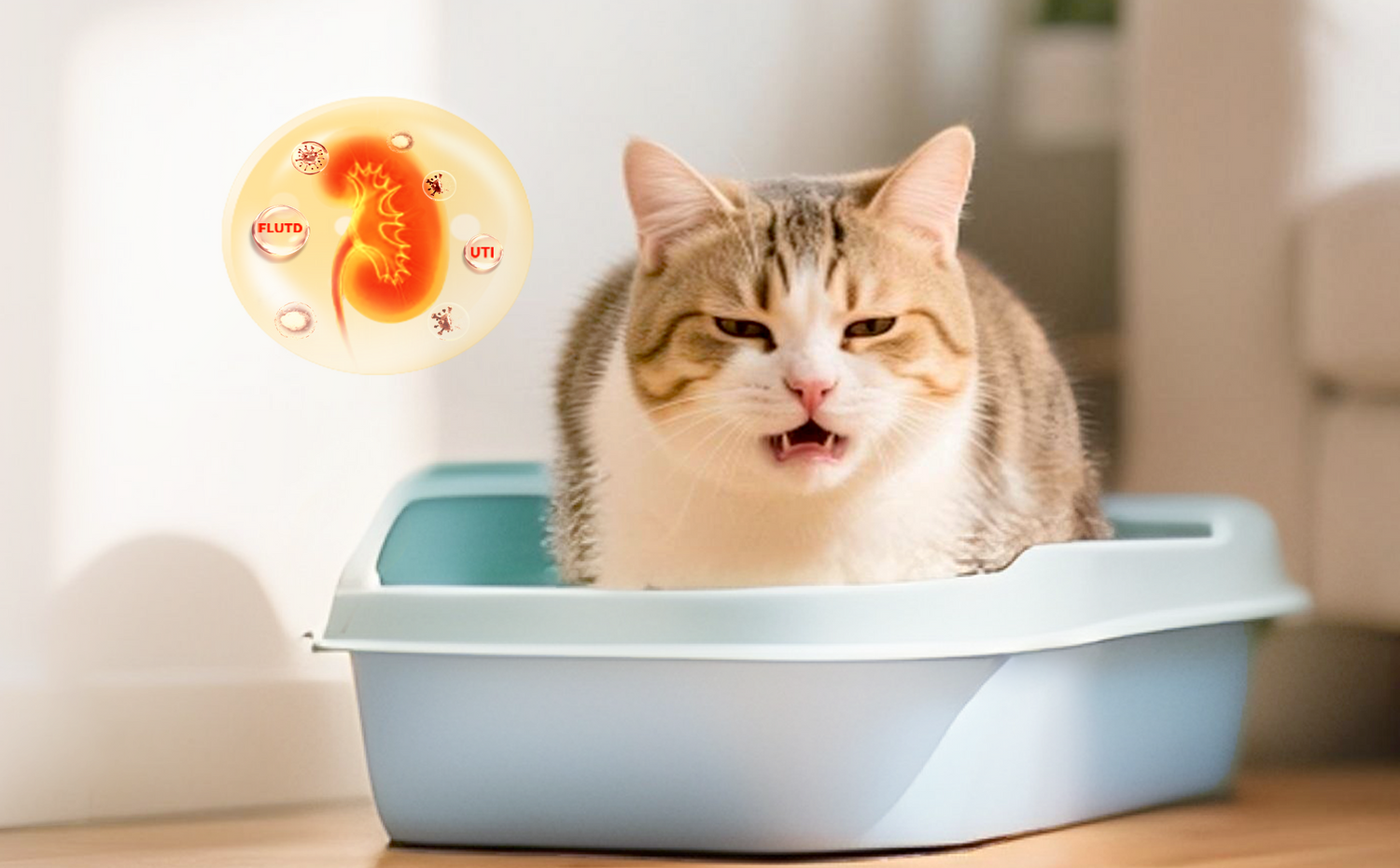
Quick answer: If your cat is frequently going in and out of the litter box, repeatedly straining without producing urine, or only passing a few drops, these are classic signs of a urinary blockage (urethral obstruction). This is a veterinary emergency that requires immediate medical attention and should never be monitored at home. Urinary blockage is especially common in male cats because their urethras are narrower and longer. Without treatment, life-threatening complications—such as hyperkalemia, acute kidney injury, cardiac arrhythmias, and even death—can occur within 24–48 hours. However, with prompt treatment, survival rates after hospital discharge can exceed 90%.
Urinary crystals, most commonly magnesium ammonium phosphate (struvite), do not necessarily indicate that a cat has a urinary blockage. However, crystals can combine with mucus and other material to form a urethral plug, which is one of the major causes of urinary blockage in cats. Published veterinary research has identified low water intake, dry-food-only diets, obesity, and sedentary indoor lifestyles as recognized risk factors for urinary crystals and urinary tract disease. In many cases, the outcome depends on how quickly the problem is detected.
What Are the Differences Between Urinary Crystals, Urinary Blockage, and Kidney Disease in Cats?
Urinary crystals, urinary blockage, and chronic kidney disease (CKD) are distinct conditions.
Understanding the difference between them is important ,as each has unique causes, symptoms, and treatment requirements.
- Urinary crystals (crystalluria) are mineral deposits found in a cat’s urine—most commonly magnesium ammonium phosphate (struvite) and calcium oxalate crystals. Crystals may be present in the urine of otherwise healthy cats and do not necessarily indicate disease. However, intervention is needed if crystals accumulate, cause inflammation, or contribute to an obstruction.
- Urinary blockage / urethral obstruction occurs when crystals, mucus, and shed cells accumulate and form a urethral plug, blocking the urethra and preventing a cat from passing urine either completely or partially. This is an acute, potentially life-threatening emergency. Male cats are at higher risk because their urethras are narrower and longer, whereas complete urinary obstruction is less common in female cats.
- Chronic kidney disease (CKD) is a progressive condition characterized by the gradual loss of kidney function. It generally follows a different disease pathway from urinary obstruction. However, urinary obstruction can cause post-renal acute kidney injury due to urine backing up and increasing pressure within the urinary tract. This mechanism is distinct from the underlying pathology of CKD, although both conditions can produce abnormal bloodwork results, such as elevated creatinine. Veterinary testing is required to differentiate between them.
In summary, urinary blockage is an acute obstruction of urine flow that can result from the accumulation of crystals and other materials, while CKD is a separate, slowly progressive disease process. These conditions should be understood independently, and diagnosis typically requires a combination of urinalysis, bloodwork, and diagnostic imaging.
How Can I Tell If My Cat Has a Urinary Blockage?
The most important warning signs of a urinary blockage are repeated straining to urinate, frequent litter box visits, and little or no urine production.
If your cat displays any of the following signs, a urinary obstruction may already be occurring. Contact an emergency veterinarian immediately—do not wait until the next day, and do not attempt to treat this condition at home.
- Frequently trips in and out of the litter box with only a few drops of urine or none at all;
- Repeatedly straining in the litter box, crying out, or showing signs of pain;
- A lower abdomen that feels swollen or firm;
-
Lethargy, vomiting, or loss of appetite in combination with abnormal urination behavior.
When Should I Take My Cat to the Vet for a Urinary Blockage?
A suspected urinary blockage should always be treated as a veterinary emergency. Do not wait to see whether the symptoms improve on their own.
Veterinary hospitals and published veterinary literature consistently warn that when the urethra becomes completely blocked by crystals, mucus plugs, or urinary stones, urine cannot exit the body. Waste products and electrolytes quickly build up, the bladder can become painfully distended, and kidney failure or cardiac arrest may occur within 24–48 hours if the obstruction is not relieved. Some sources report that death can occur within approximately 60–75 hours if left untreated. About 12% of affected cats may already have severe hyperkalemia and acid-base imbalances by the time they reach the veterinary hospital. Immediate veterinary intervention is critical to prevent life-threatening complications and improve the chances of recovery.
However, urinary blockage is highly treatable when veterinary care is provided promptly. Standard treatment typically includes placing a urinary catheter to relieve the obstruction and administering intravenous fluids to correct electrolyte abnormalities. With timely intervention, survival rates at hospital discharge can exceed 90%.
The greatest danger often lies not in the inability to treat the condition, but in owners failing to recognize it as an emergency and delaying veterinary care. This is why early detection is often more important than any single treatment method.
Can Not Drinking Enough Water Cause Urinary Crystals or a Urinary Blockage in Cats?
Yes. Low water intake can contribute to more concentrated urine and is one of the strongest evidence-supported risk factors associated with urinary crystal formation and feline urinary tract problems.
A controlled study published in the British Journal of Nutrition fed cats the same type of food with different moisture levels: 6.3%, 25.4%, 53.2%, and 73.3%. As dietary moisture increased, the cats produced more dilute urine and had lower urine specific gravity. The risk of urinary supersaturation with stone-forming minerals, including calcium oxalate and struvite, also decreased.
Multiple review articles have also reported that wet food, compared with dry food, can reduce the recurrence of urinary stones and symptoms associated with feline idiopathic cystitis. The underlying mechanism is that wet food substantially increases total water intake, producing more dilute urine and reducing the concentration of minerals that can contribute to crystal formation and accumulation.
Modern household cats, however, are commonly fed dry food as a primary source of nutrition. Dry cat food typically contains only about 6%–10% moisture, which is substantially lower than the water naturally provided by wet food.
For this reason, increasing voluntary water intake is also important in everyday feline care, particularly for cats that primarily eat dry food. One practical way to encourage cats to drink more is to provide an automatic water fountain.
Compared with a bowl of stagnant water, continuously circulating water may encourage some cats to drink more often. Features such as clean-water/used-water separation and filtration can also help maintain water freshness and reduce odors or contaminants that may discourage a cat from drinking.
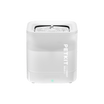
For example, the PETKIT EverSweet Ultra Cat Water Fountain uses continuously flowing water (SpringFlow) and a clean and waste water separation design to address the behavioral question of whether a cat will choose to drink more water.
It cannot replace veterinary treatment, and using a water fountain does not mean that a cat will never develop urinary blockage. However, for cats that primarily eat dry food and have low water intake, increasing opportunities for voluntary drinking can help increase total daily water intake and dilute the urine more effectively, potentially reducing the risks associated with chronically concentrated urine as part of everyday prevention and management.
How Can I Help Prevent Urinary Crystals and Urinary Blockage in My Cat?
The most practical prevention strategy is to increase total daily water intake while also supporting a healthy weight, regular activity, appropriate litter box habits, and early monitoring of changes in urination.
Based on the research discussed above, the approaches supported by research include:
- Increase total daily water intake. Increasing the proportion of wet food is one of the approaches with the clearest evidence for increasing water intake;
- Encourage cats to drink small amounts more frequently. Place multiple water sources around the home, keep water fresh, and consider an automatic water fountain such as the PETKIT EverSweet Ultra Smart Water Fountain, which keeps water fresh through SpringFlow and separates clean water from used water with its OneWay design to encourage cats to drink more voluntarily;
- Maintain a healthy body weight and increase physical activity. Obesity and sedentary behavior are repeatedly identified as independent risk factors;
- Keep litter boxes clean and provide enough litter boxes. A commonly recommended guideline is one litter box per cat plus one additional box, helping reduce the likelihood that environmental factors will cause a cat to avoid the litter box or hold its urine;
- Monitor changes in urination frequency and urine output. This is especially important in multi-cat households, where it can be difficult to observe each cat individually.
The last point sounds simple but is one of the easiest things for owners to overlook. Early signs of urinary blockage can be hidden in subtle changes in litter box behavior, and it is difficult to accurately observe these changes every day by sight alone.
In addition to encouraging water intake, maintaining a healthy weight, and increasing physical activity, monitoring litter box behavior is also particularly important.
How Can I Tell If My Cat Is Showing Early Signs of a Urinary Problem?
The earlier a change in drinking or litter box behavior is noticed, the sooner an owner can contact a veterinarian for advice. Urinary blockage itself is a treatable emergency, but the outcome often depends heavily on how quickly it is detected.
Cats spend much of their time using the litter box and drinking water when their owners are not watching—while owners are at work, asleep, or away from home.
This is why smart litter boxes and water fountains with tracking functions have increasingly been discussed by veterinarians and pet owners as supplementary monitoring tools. They do not treat disease. Instead, they help address the information gap between an abnormal change occurring and the owner noticing it.
What Litter Box Changes Should I Watch for in My Cat?
The most useful litter box indicators are changes in frequency, time spent in the litter box, and urine output rather than a vague feeling that something seems different.
Has the number of litter box visits suddenly increased? Early urinary blockage can appear as a cat going to the litter box more often but producing very little urine each time;
Has the amount of time spent in the litter box noticeably increased?
Have the size and number of urine clumps decreased?
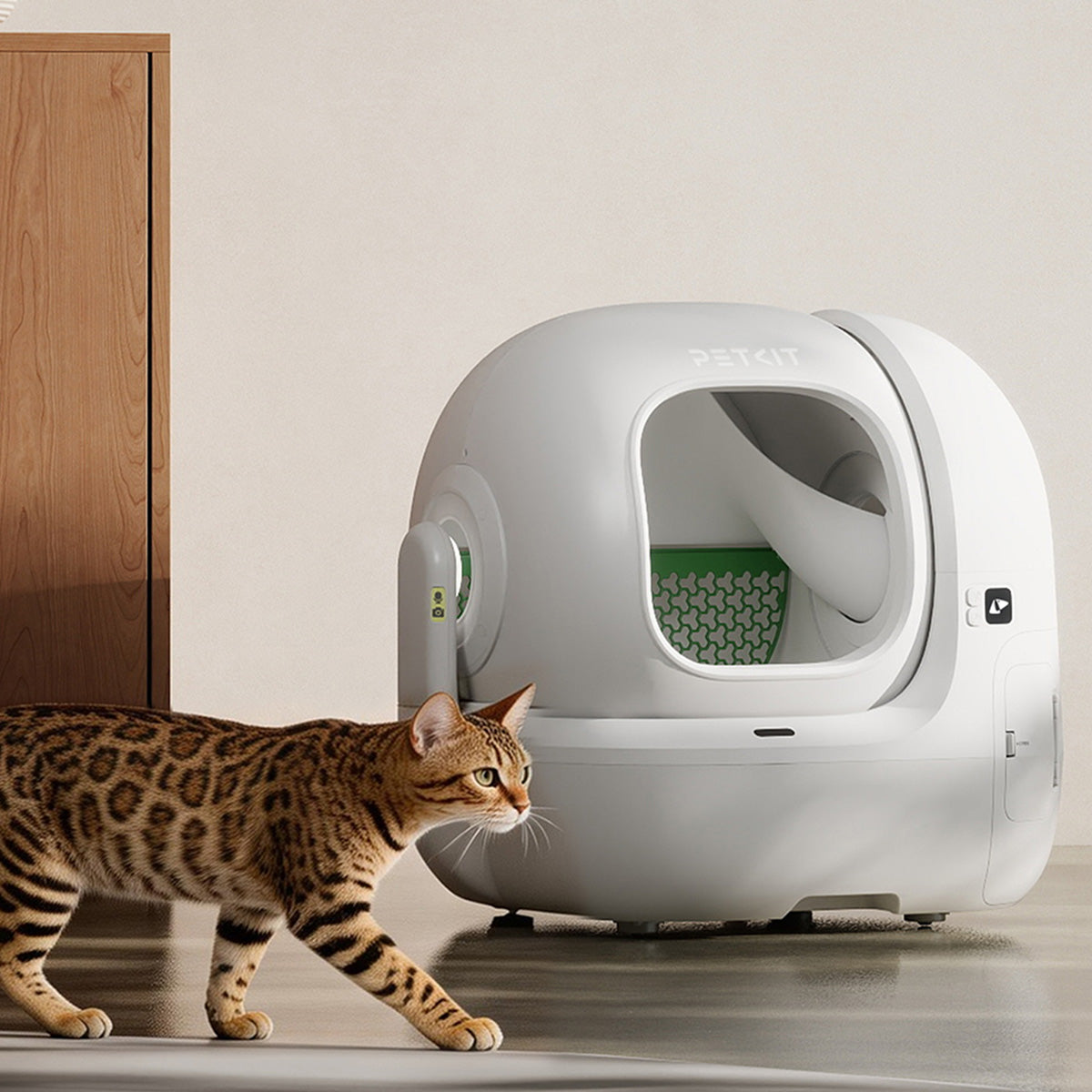
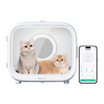
For example, the PETKIT Purobot Max Pro 2 automatic Cat Litter Box is equipped with a 210° wide-angle AI camera and infrared night vision. It can record each cat's litter box visit duration and frequency throughout the day and night. With facial recognition, data can be assigned to individual cats in multi-cat households.
Images of urine clumps captured by the camera provide a visual record of litter box usage, including observable details such as the clump’s appearance. The app can store and display these records for owners to review over time.
The value of these features is not that they diagnose a urinary problem. Instead, they turn an easily overlooked observation such as "My cat seems to have gone to the litter box a lot today" into a record that can be reviewed and tracked over time.
This gives owners an opportunity to notice that something is not quite right while the change is still subtle, rather than waiting until the cat develops obvious signs of urinary blockage, and to contact a veterinarian for advice sooner.
How Much Should My Cat Drink, and What Changes Should I Watch for?
Changes in water intake can also be an important health signal. Whether a cat is drinking significantly less, which can increase the risk associated with concentrated urine and crystal formation, or showing unusual drinking behavior because of urinary discomfort, the change is worth paying attention to.
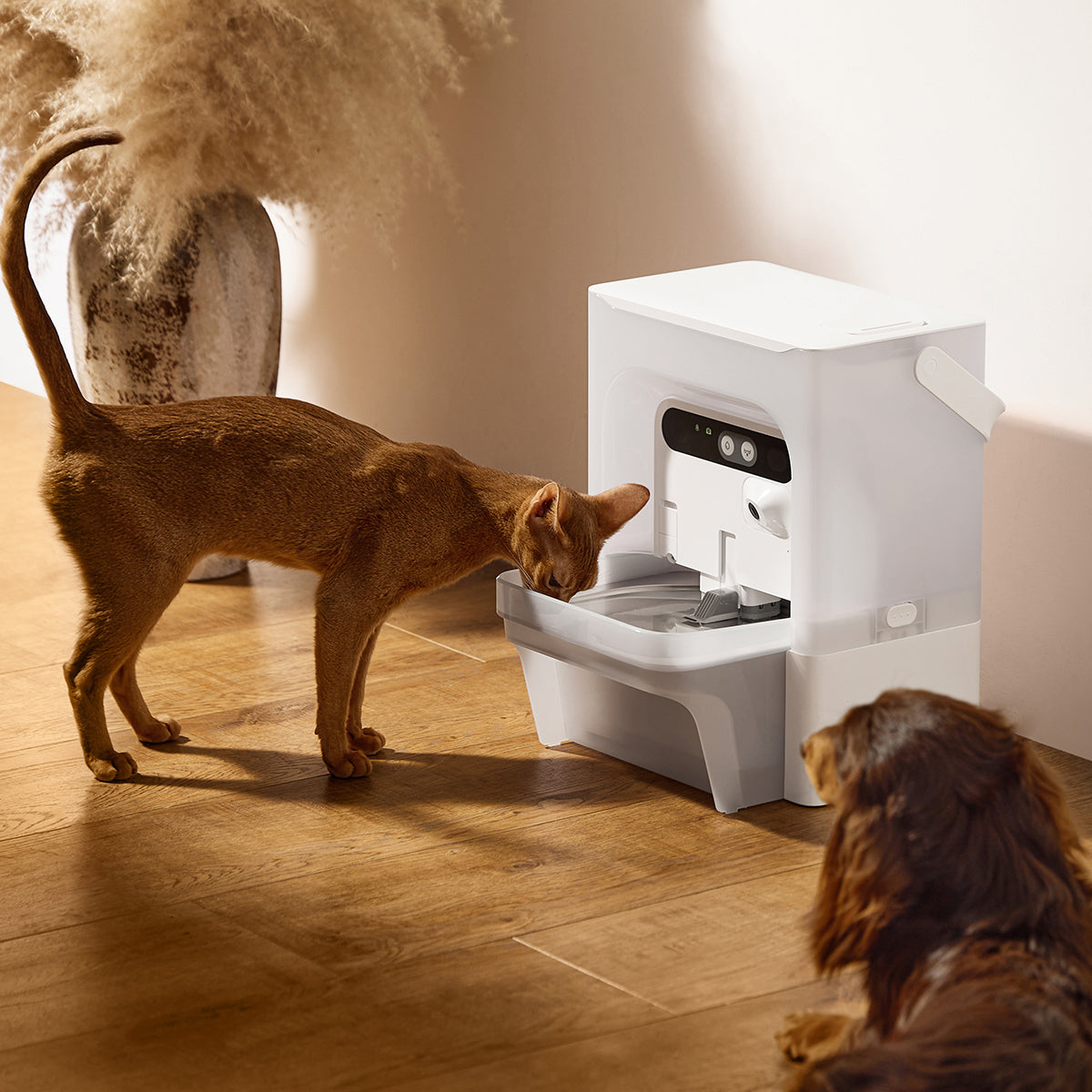
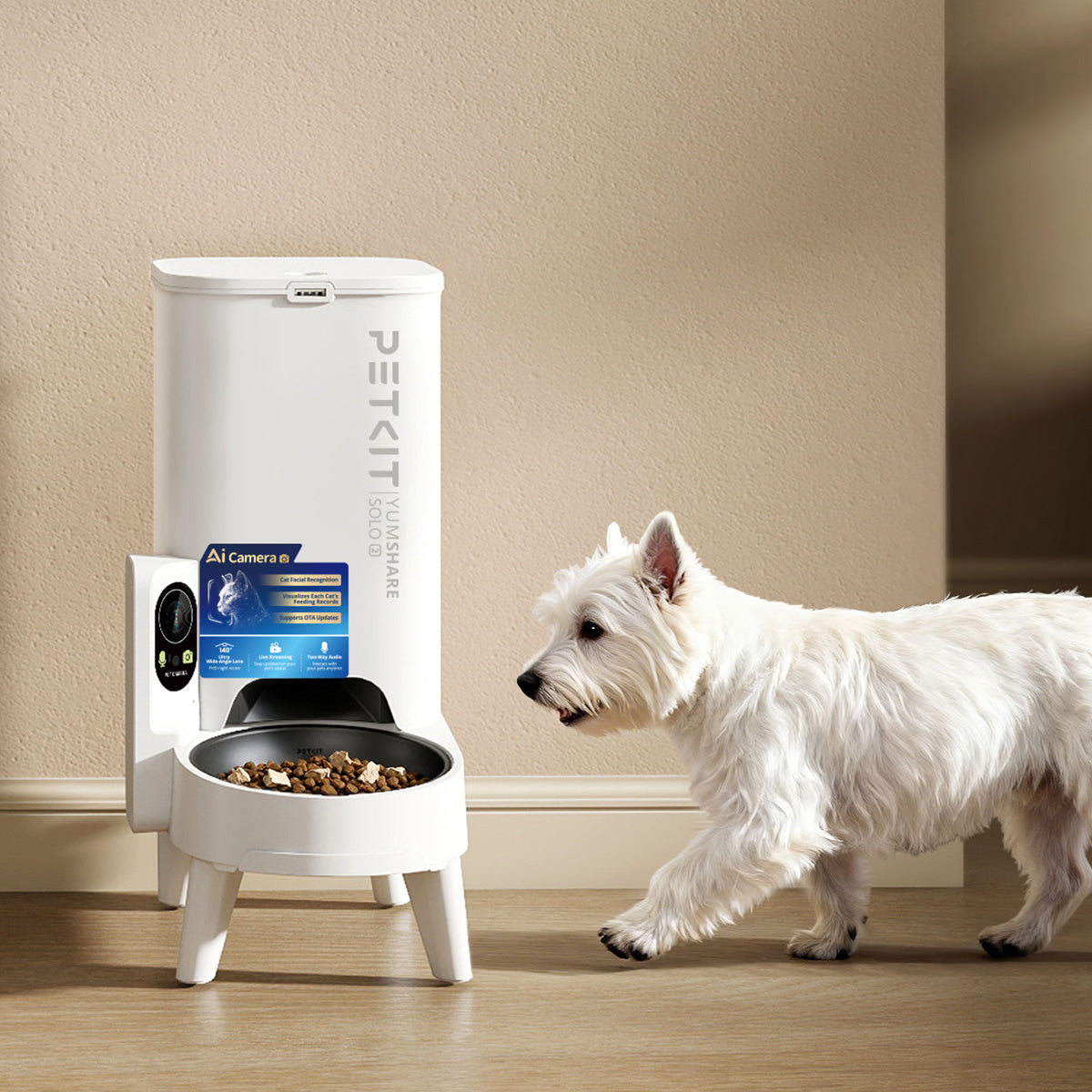
For example, the PETKIT EverSweet Ultra Smart Water Fountain features a 140° wide-angle camera and AI pet recognition. It can distinguish between different cats in the household and separately record each cat's drinking duration and frequency, generating daily, weekly, and monthly drinking reports.
The fountain uses an independent dual-water-tank design to physically separate clean water from used water. Through the app, owners can set automatic draining, cleaning, and refilling functions.
This makes routine maintenance easier and can indirectly help maintain the freshness of the water, which may encourage cats to continue drinking from the fountain. Consistent drinking behavior also makes the resulting data more useful as a reference.
Why Should I Monitor My Cat’s Drinking and Litter Box Habits Together?
Monitoring drinking behavior and litter box behavior together can provide more context than looking at either measurement alone.
If a cat has recently started visiting the litter box more frequently, spending longer in the litter box, and drinking less water at the same time, this combination of signals is more worth paying attention to than any single indicator by itself.
It can serve as a trigger for "This may be worth contacting a veterinarian about," rather than waiting until the cat is visibly distressed or completely unable to urinate.
However, an important limitation must be emphasized: these tracking and alert features are designed to shorten the time between an abnormal change occurring and the owner noticing it. They cannot replace a veterinary examination, ultrasound, urinalysis, or other diagnostic testing, and they do not provide a medical diagnosis.
If you observe classic signs of urinary blockage—such as repeated straining in the litter box with little or no urine, obvious pain, or a swollen and firm abdomen—take your cat to a veterinarian immediately rather than continuing to monitor the curves or alerts in an app at home.
Can a Smart Litter Box Detect the Early Signs of a Urinary Blockage?
A smart litter box cannot diagnose or predict a urinary blockage, but it can help owners notice changes in litter box behavior earlier.
Changes such as suddenly increased litter box visits, longer time spent in the litter box, repeated visits, or very small urine output can be easier to notice when a litter box automatically records these patterns.
Diagnosis and determination of whether an obstruction is actually present still require veterinary assessment, which may include physical examination, ultrasound, urinalysis, or urinary catheterization.
Can a Water Fountain Help My Cat Drink More Water?
Yes. A water fountain may encourage some cats to drink more by keeping the water fresh and moving, although it cannot replace veterinary treatment or guarantee that a cat will avoid urinary blockage.
For cats that primarily eat dry food and do not drink enough voluntarily, increasing opportunities to drink can help increase total daily water intake and support more dilute urine.
Compared with a static water bowl, continuously circulating water may be more appealing to some cats. Keeping the water fresh and reducing odors or contamination can also help encourage regular drinking.
The PETKIT EverSweet Ultra Smart Water Fountain is designed around these needs, using SpringFlow to keep water continuously fresh, along with a clean-and-waste water separation design, and other water-management features to make drinking more convenient for cats and routine maintenance easier for owners.
The goal is not to treat urinary crystals or urinary blockage with a water fountain. Instead, the goal is to make it easier for cats to drink more consistently as part of everyday urinary health management.
Frequently Asked Questions
Can Drinking Too Little Water Make My Cat Unable to Urinate?
Drinking too little water is a recognized risk factor for urinary crystals and urinary tract problems because it can make urine more concentrated. Chronic low water intake may increase the likelihood of crystal formation and accumulation.
However, if your cat is currently repeatedly straining in the litter box and cannot produce urine, this is an emergency. Seek veterinary care immediately rather than trying to increase water intake at home and waiting to see what happens.
Are Urinary Crystals the Same as a Urinary Blockage?
No. Urinary crystals and urinary blockage are not the same condition.
Small amounts of crystals can be found in the urine of otherwise healthy cats and are not necessarily an emergency. The situation becomes potentially life-threatening when crystals or other material contribute to inflammation or form a urethral plug that causes urinary blockage.
If a cat is having difficulty urinating or cannot urinate at all, the situation should be treated as a urinary emergency.
Are Male Cats More Likely to Get Urinary Blockages?
Yes. Male cats are more susceptible to urinary blockage because their urethras are narrower and longer than those of female cats.
This anatomical difference makes it easier for crystals, mucus, and other material to obstruct the urethra.
Can a Smart Litter Box Detect a Urinary Blockage?
No. A smart litter box cannot diagnose or confirm a urinary blockage. It can, however, help owners notice changes that may warrant closer attention, such as increased litter box visits, longer litter box sessions, or reduced urine output.
Can Cats Get Another Urinary Blockage After Treatment?
Yes. Urinary blockage can recur after treatment. Retrospective studies have reported recurrence rates ranging from approximately 11% to 43%, depending on factors including the initial treatment approach and whether long-term dietary and water-management strategies are maintained.
This is why veterinarians may recommend continuing to adjust the cat's diet and water intake after recovery while monitoring urination patterns over the long term.