

















Chronic kidney disease (CKD) is one of the most common health conditions affecting older cats. It is estimated to affect approximately 1 in 3 senior cats and is one of the leading causes of illness and death in aging felines. It occurs when the kidneys gradually lose their ability to perform important jobs such as filtering waste products from the blood, maintaining proper hydration, balancing minerals, and helping regulate blood pressure.
CKD is especially common in aging cats. While only a small percentage of younger cats are affected, the disease becomes much more prevalent with age. Research has shown that approximately 1/3 of senior cats have CKD, and studies suggest that nearly 1/3 to more than 3/4 of cats over 15 years of age may have some degree of kidney disease, depending on the population studied and how CKD is diagnosed. This high prevalence is one reason veterinarians routinely recommend screening older cats for kidney disease, even before obvious clinical signs develop.
Unlike some illnesses that develop suddenly and then resolve, CKD is a long-term condition. CKD is defined as the presence of kidney structural changes or decreased kidney function that must be present for at least several months. Unfortunately, CKD is irreversible and cannot be cured. Once kidney tissue is lost, it cannot be regenerated. However, many cats can live comfortably for months to years with appropriate monitoring and treatment.
Although CKD cannot usually be prevented completely, early recognition can make a meaningful difference. Identifying subtle changes in drinking habits, urination patterns, body weight, appetite, or laboratory test results can allow veterinarians to diagnose CKD sooner and begin treatments that help slow progression.
The good news is that advances in veterinary medicine have made it possible to detect kidney disease earlier than before. With regular veterinary care, appropriate nutrition, careful monitoring, and timely treatment of complications, many cats with CKD can continue to enjoy an excellent quality of life for years after diagnosis.
What Do the Kidneys Do?
The kidneys are remarkable organs that perform many essential jobs to keep your cat healthy. Although many people think of the kidneys simply as filters, they actually play a much larger role in maintaining the body's overall balance:
- Remove waste products from the bloodstream through urine.
- Regulate water balance by adjusting how much water is conserved or eliminated.
- Maintain healthy levels of minerals and electrolytes essential for normal muscle function, nerve activity, and many other bodily processes.
- Help regulate blood pressure and maintain appropriate blood flow.
- Help produce red blood cells by producing erythropoietin, a hormone that signals the bone marrow to make new red blood cells.
Why Is Chronic Kidney Disease Often Missed Early?
1. Early Signs Can Be Difficult to Notice and Mistaken for Aging
One of the greatest challenges with chronic kidney disease (CKD) is that it often develops quietly. Cats are naturally skilled at hiding signs of illness or discomfort—many cats with early CKD appear completely normal at home. This makes it difficult for even the most attentive owners to detect health problems until they become more advanced.
The earliest signs of CKD are often subtle and easy to overlook. Some cats may gradually lose weight or muscle mass, become slightly pickier with their food, drink a little more water than usual, or produce larger amounts of urine. These changes can develop slowly over months or even years, making them difficult to notice from day to day.
In many cases, these early changes may be mistaken for normal aging. Pet parents may assume that a senior cat is simply slowing down, becoming less active, or changing eating habits because of age. Other common conditions in older cats, such as arthritis or cognitive changes, can also cause similar signs, making it even harder to recognize that kidney disease may be developing.
2. The Kidneys Can Compensate for Damage
Another reason CKD can go undetected is that the kidneys have an impressive ability to compensate for damage. Healthy portions of the kidneys can work harder to support the body's needs, allowing many cats to appear healthy despite ongoing loss of kidney function. This built-in reserve helps maintain normal day-to-day function for a long time, but it can also delay recognition of disease.
As a result, some cats show few obvious signs until kidney function has already declined substantially. Owners may feel that the disease appeared suddenly, when in reality it may have been developing silently for months or years.
Key Early Signs of CKD Cat Parents Should Keep an Eye On
The earliest signs of CKD are often subtle and can develop gradually over time. Many cats continue to act relatively normal in the early stages of disease, which is why small changes in daily habits can be important clues.
Signs of CKD Cat Parents Usually Notice First:
Increase in Water Consumption
As kidney function declines, the kidneys become less able to conserve water and produce concentrated urine. To compensate, affected cats often drink more water than they used to. Because this change can happen gradually, it may be difficult to recognize unless water intake is monitored over time.
Changes in Litter Box Habits
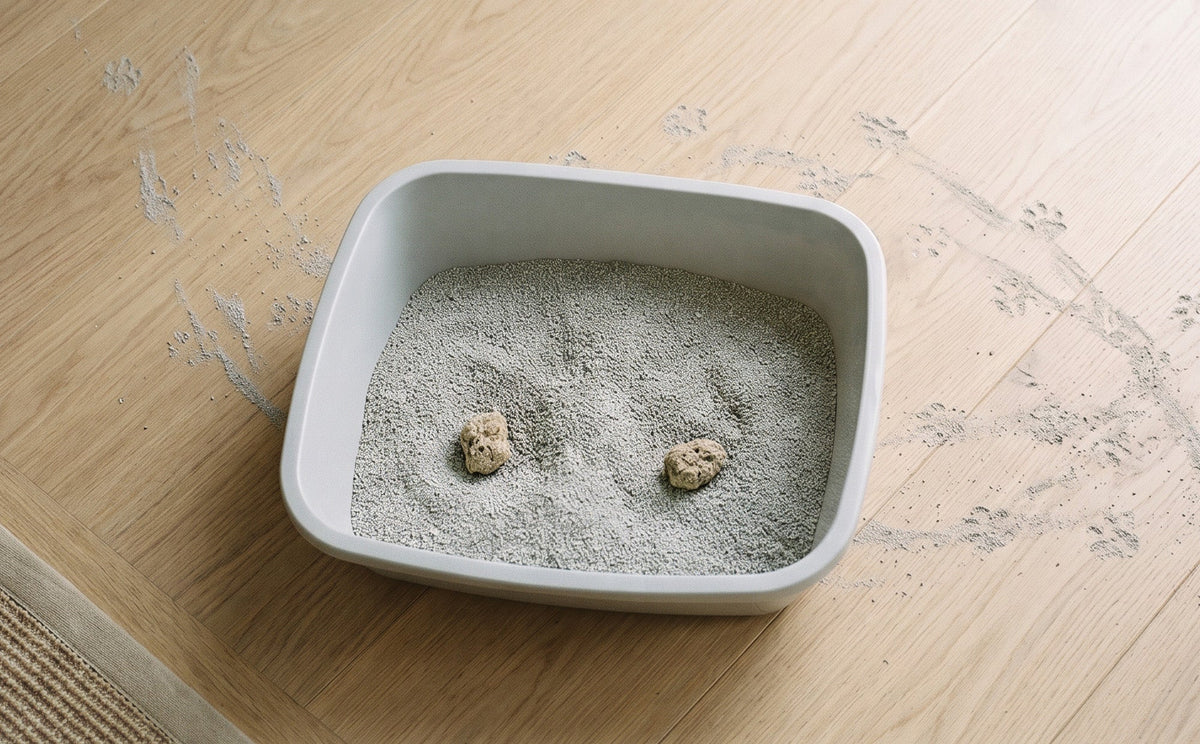
Cats with CKD often produce larger volumes of urine, which may result in heavier urine clumps, more frequent trips to the litter box, or a litter box that seems wetter than usual. Increased urination and increased drinking often occur together and may be among the earliest noticeable signs of kidney disease.
Changes in Appetite
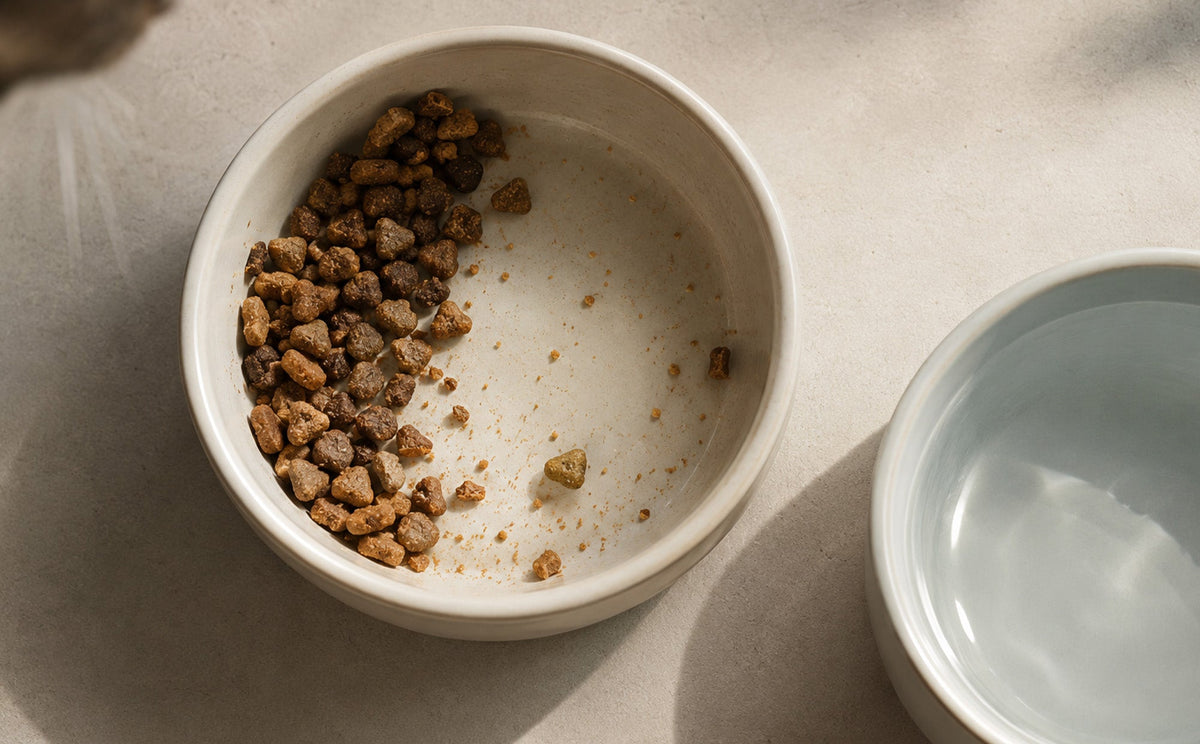
A cat may leave food in the bowl more frequently, become pickier about foods they previously enjoyed, or seem less enthusiastic about mealtimes. Some cats experience intermittent nausea that can contribute to these changes, even before more obvious signs of illness develop.
Gradual Weight Loss
In some cases, owners may notice that their cat feels lighter when picked up or appears thinner around the spine, hips, or shoulders. Loss of muscle mass can occur even when weight changes are relatively modest, making regular weight monitoring particularly valuable in older cats.
Behavioral and Grooming Changes
Some cats become less active, sleep more, or show less interest in playing and interacting with family members. Others may groom less frequently, resulting in a hair coat that appears dull, greasy, or unkempt.
Digestive Changes
Some cats experience occasional vomiting, while others may develop constipation. Owners may notice that bowel movements become less frequent, smaller, or firmer than usual.
As CKD becomes more advanced, signs often become easier to recognize. Cats may experience more frequent vomiting, worsening appetite loss, dehydration, weakness, or noticeably reduced activity levels. Some cats may also develop changes in the odor of their breath due to the buildup of waste products that healthy kidneys would normally remove.
While any one of these signs does not necessarily mean a cat has kidney disease, persistent changes in drinking habits, urination patterns, appetite, body weight, or overall behavior should prompt a discussion with a veterinarian. Tracking these trends over time can be especially helpful, as gradual changes are often easier to recognize when objective records are available.
Common Complications of Chronic Kidney Disease
As kidney function declines, cats may develop different complications, including:
High Blood Pressure (Hypertension)
Elevated blood pressure can place additional stress on the kidneys and other organs. In some cases, it can cause sudden and serious problems, including retinal damage that may lead to vision loss or blindness. Because cats often show few obvious signs of high blood pressure, routine monitoring is an important part of CKD management.
Changes in Mineral Balance, Particularly Phosphorus
Healthy kidneys help maintain appropriate levels of phosphorus, calcium, and vitamin D. As kidney function declines, these systems can become disrupted, placing additional strain on the body and potentially accelerating disease progression.
Anemia
Some cats develop anemia, a condition in which there are not enough red blood cells to carry oxygen efficiently throughout the body. This can contribute to fatigue, weakness, and reduced activity levels.
Other Common Complications
Additional complications can include dehydration, protein loss in the urine, low blood potassium levels, acid-base imbalances, and the gradual accumulation of waste products that healthy kidneys would normally remove. As these waste products build up, cats may experience nausea, vomiting, poor appetite, weight loss, and decreased quality of life.
Contact your veterinarian when you notice these changes that may suggest CKD progression:
- Persistent increases in water consumption or urination
- Worsening appetite
- Ongoing weight loss
- Repeated vomiting
- Constipation
- Declining energy levels
- Weakness
- Changes in grooming habits
- Sudden change in vision or behavior
Many of these complications can develop gradually and may not be obvious during day-to-day interactions. Tracking trends over time can often reveal changes that would otherwise be easy to miss. For example, a slow increase in water intake, steadily larger urine clumps, gradual weight loss, or a progressive decline in appetite may indicate that a cat's condition is changing even if they otherwise appear comfortable.
It is also important to remember that CKD progression is rarely predictable. Some cats remain stable for years, while others develop new complications that require adjustments to their treatment plan. Even cats with the same CKD stage may experience very different challenges.
This is why ongoing monitoring and regular veterinary follow-up are so important. Routine examinations, blood and urine testing, and blood pressure measurements allow veterinarians to identify emerging complications before they become severe. Early detection often creates more opportunities to intervene, helping cats maintain a better quality of life and potentially slowing disease progression.
Meet with our expert:
Autumn N. Harris, DVM, DACVIM (SAIM), DACVNU
Associate Professor of Nephrology–Urology
NC State College of Veterinary Medicine
Dr. Autumn Harris is a board-certified veterinary internist and nephrologist at the NC State College of Veterinary Medicine’s Small Animal Hospital. She earned her Doctor of Veterinary Medicine degree from Mississippi State University in 2012, followed by a one-year rotating internship at Kansas State University. Dr. Harris then completed an internal medicine residency and a two-year postdoctoral fellowship in nephrology at the University of Florida, where she subsequently served as an Assistant Professor of Internal Medicine for six years.
Dr. Harris later completed a nephrology–urology residency at NC State through the American College of Veterinary Nephrology and Urology and is board-certified in both small animal internal medicine and nephrology–urology. She provides care for a wide range of species with kidney and urinary tract disease and has a particular passion for improving the quality of life of cats with chronic kidney disease.
Her clinical research focuses on advancing the understanding of kidney failure in companion animals, with special emphasis on acid–base balance and its role in optimizing medical management for pets with chronic kidney disease.