

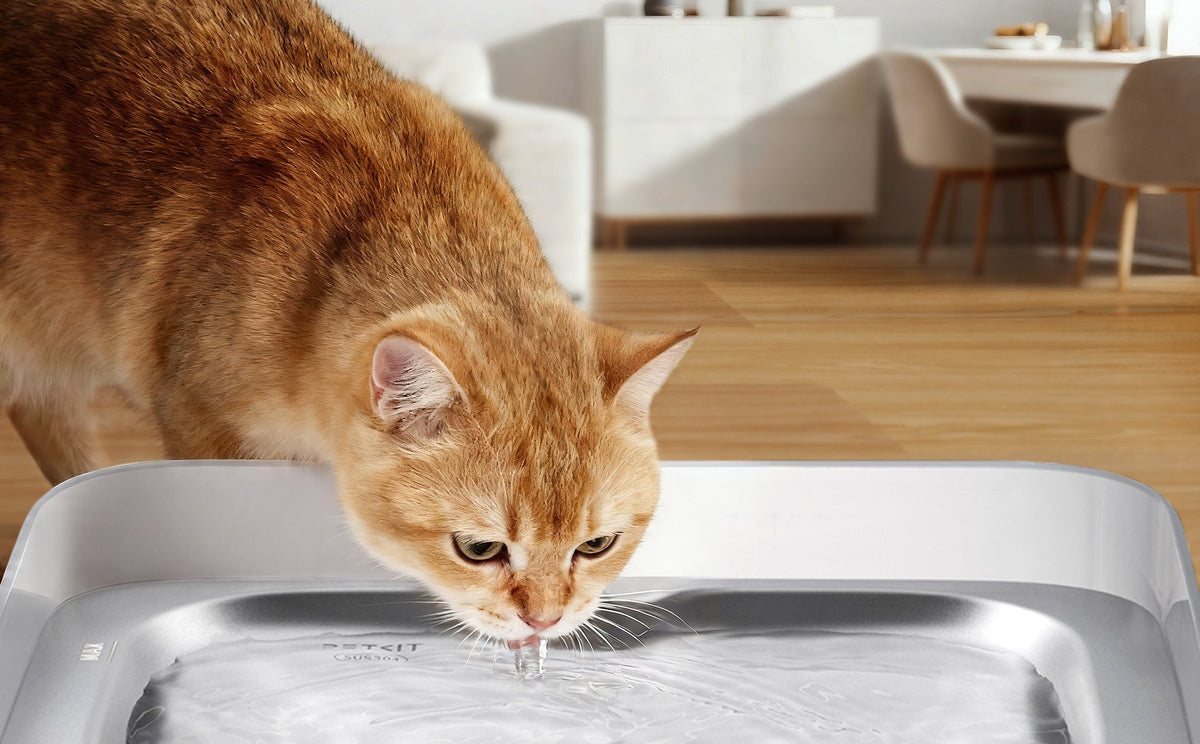
If you've ever caught your cat staring at the bathroom faucet, pawing at a dripping tap, or ignoring a full water bowl to drink from a glass you just set down, you've already seen this preference in action. It's one of the more common quirks cat owners notice, and it's not just a cute habit. There's a real reason cats gravitate toward moving water, and understanding it can change how you think about keeping your cat properly hydrated.
An Instinct Older Than the House Cat
Domestic cats descend from the African wildcat, a species that evolved in arid, semi-desert environments where standing water was often scarce, stagnant, or contaminated. In the wild, water that's still has had more time to collect bacteria, algae, and debris, while moving water, a stream, a spring, a trickle after rain, is generally fresher and safer to drink. Cats appear to have carried that instinct forward. Movement in water reads as a signal of freshness, even when the water in a bowl right next to it is perfectly clean.
That same evolutionary background also explains something else: cats simply don't have a strong innate thirst drive. Their wild ancestors got most of their hydration from prey, which is around 70 percent water, so drinking on its own wasn't something they needed to prioritize as heavily as, say, a dog does. Domestic cats eating mostly dry kibble don't get that built-in hydration boost, which makes their actual drinking behavior matter a lot more than it does for other pets, and makes anything that encourages them to drink more genuinely useful.
Why Movement Specifically Gets a Cat's Attention
Beyond freshness, there's a simpler explanation rooted in how cats are wired to notice the world. Cats are highly visual hunters, and their eyes are especially good at picking up motion, even subtle motion, since that's exactly the skill that made their ancestors successful predators. A dripping faucet or a rippling surface catches that same attention a moving toy or a bird outside the window would. Stillness, by comparison, just doesn't register the same way. A bowl of water sitting untouched on the floor isn't doing anything to draw a cat's eye or curiosity toward it, and for a species that's already only moderately motivated to drink, that matters.
There's also a practical, less romantic reason still water sometimes gets ignored. Bowls left out for a full day can collect dust, pet hair, and bacteria, and even fresh-looking water can start to taste different to a cat's far more sensitive palate well before it looks obviously dirty to us.
Some cats also seem bothered by bowls that are narrow or deep enough to press against their whiskers with every sip, which isn't fully settled in feline research but comes up often enough in behavior discussions to be worth a mention. None of these issues are dramatic on their own, but together they help explain why a cat might visit the water bowl less often than it should.
Why This Actually Matters for Your Cat's Health
Encouraging a cat to drink more isn't just about convenience or a fun quirk to indulge. Cats that don't drink enough water tend to produce more concentrated urine, which is a known contributing factor in urinary tract issues and the formation of crystals or stones, and adequate hydration also plays a supporting role in kidney health over a cat's lifetime, an area where cats are already predisposed to problems as they age. A cat that's drawn to drink more often, simply because the water is more appealing, is getting a real, if quiet, health benefit out of it.
This is part of why moving water isn't just a preference to accommodate, it's one of the more effective, low-effort ways to support a cat's hydration without changing their diet or routine at all.
Where Fountains Help, and Where Many Still Fall Short
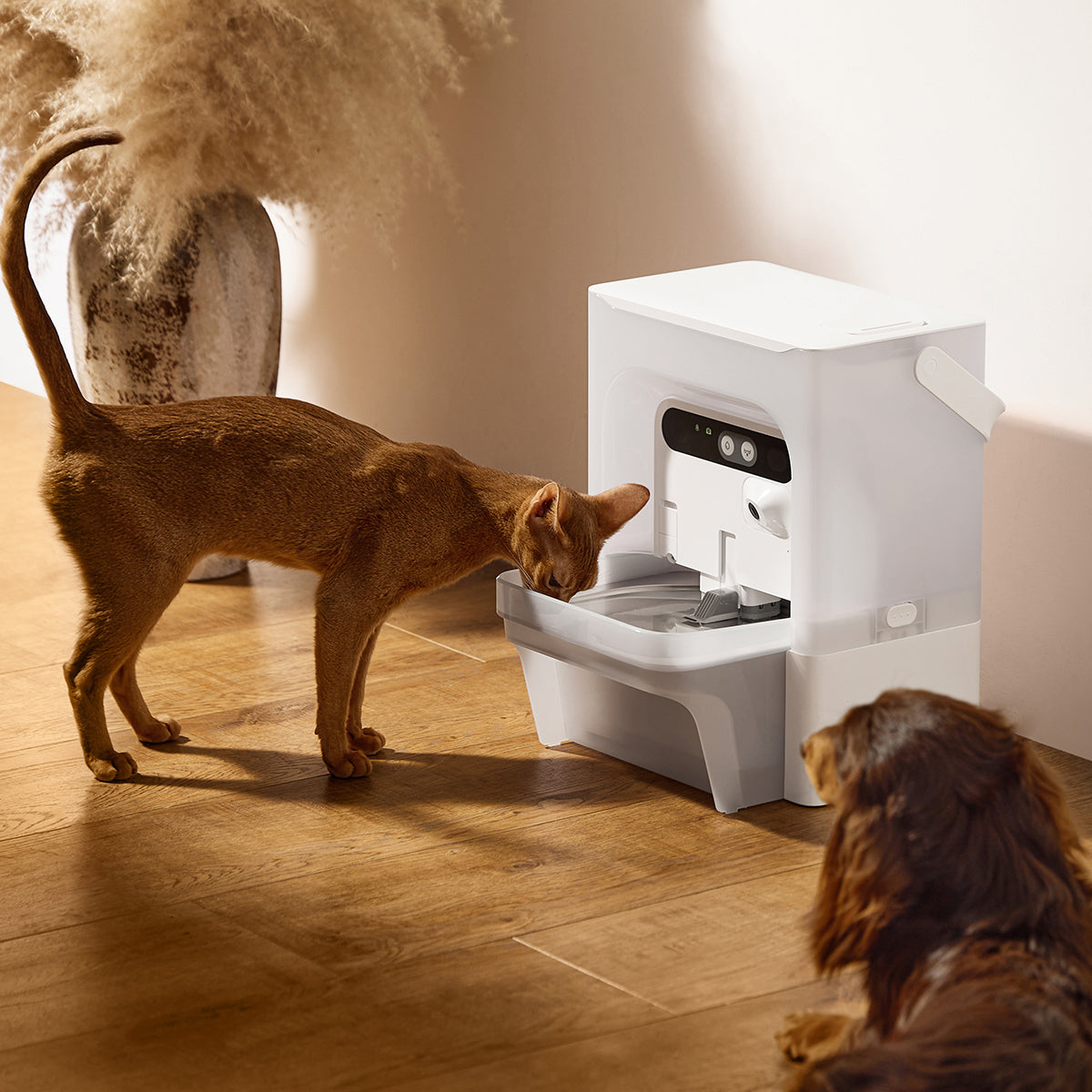
Pet water fountains exist specifically to take advantage of this instinct, keeping water moving and encouraging cats to drink more than they would from a still bowl. But not every fountain solves the same part of the problem, and once you're convinced a fountain is worth it, the more useful question becomes which specific trade-off matters most for your cat and your household.
A lot of it comes down to the tray itself. Wide, shallow trays tend to suit cats better than deep, narrow ones, since they avoid pressing against sensitive whiskers with every sip, and stainless steel holds far less odor and residue over time than plastic, which matters for a species that can taste the difference. Beyond the tray, the biggest divide between fountains is how they actually keep water fresh while it's moving. Many rely on a pump cycling the same water through a filter repeatedly, which works, but leaves that water aging in place, and puts the burden on you to swap filters on schedule.
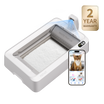
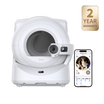
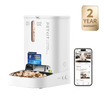
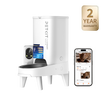
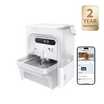
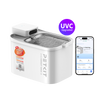
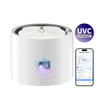
If bacterial buildup and biofilm are the main thing you're trying to avoid, that's the specific gap UVC sterilization is built to close. The EverSweet Max 2 (UVC) Pet Water Fountain pairs a stainless steel tray with a UVC wireless pump that targets bacteria at the source, on top of its filtration, and since this cat water fountain is cordless and dishwasher-safe, deep cleaning it doesn't turn into a production every week, which matters in multi-cat homes where a 3-liter tank gets used up faster. If your household is a single cat and you'd rather keep the same UVC hygiene in a smaller footprint, the EverSweet 3 Pro (UVC) Cat Water Fountain offers the same wireless UVC pump and a 4-stage filtration system sized for one cat's daily use.
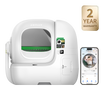
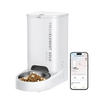
Cordless placement is its own separate need, especially if the ideal spot for a fountain isn't anywhere near an outlet. The EverSweet Max (Cordless) Cat Water Fountain runs on battery for 83 days at a time, so it can go in a quiet corner or a second floor without rethinking your home's power outlets, while still logging drinking frequency and duration through the app so you're not giving up visibility for flexibility.
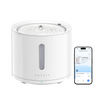
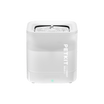
For a more essential setup, the EverSweet Solo 2 Cat Water Fountain keeps things simple with app-based monitoring and a visualization window that lets you check the water level at a glance without opening your phone, a smaller-capacity option that suits a single cat well. And if you'd rather skip the app altogether, the EverSweet Solo SE Cat Water Fountain is about as close to plug-and-forget as a fountain gets: no setup, no modes to configure, just a continuous, gentle flow that still gives your cat the moving water they're instinctively drawn to.
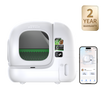
If what you actually want is the fullest possible picture, not just moving water, but a record of who's drinking, how often, and for how long, that's a different kind of fountain entirely. The EverSweet Ultra Pet Water Fountain with Camera takes the freshness question out of the filter's hands altogether. Its SpringFlow feature offers three flow settings, continuous, intermittent, and motion-activated, to match different cats' comfort with moving water, while its OneWay Mechanism sends clean water from a sealed 5-liter tank straight into the tray and routes used water into a separate 1.8-liter tank, so nothing recirculates and there's no filter to remember. Its built-in AI camera adds what none of the other fountains can: individual pet recognition and a visit history for each cat, which turns the fountain into an early-warning system for exactly the kind of drinking changes that are otherwise easy to miss. You can see more on how the system handles freshness and monitoring together in this deeper look at how EverSweet Ultra separates clean and waste water while tracking hydration with AI.
Giving Your Cat What Their Instincts Are Already Asking For
Cats aren't being fussy when they prefer running water over a still bowl, they're acting on an instinct that goes back long before domestication, one that's tied to genuine biological needs around freshness and hydration. Meeting that preference isn't about spoiling your cat, it's about working with their nature instead of against it, in a way that happens to support their health at the same time. Whether what matters most to you is hygiene, placement flexibility, simplicity, or full visibility into your cat's habits, the underlying goal is the same: a water source that moves the way your cat expects, stays clean the way they need it to, and actually gets used.