
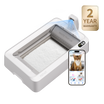
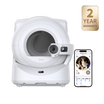





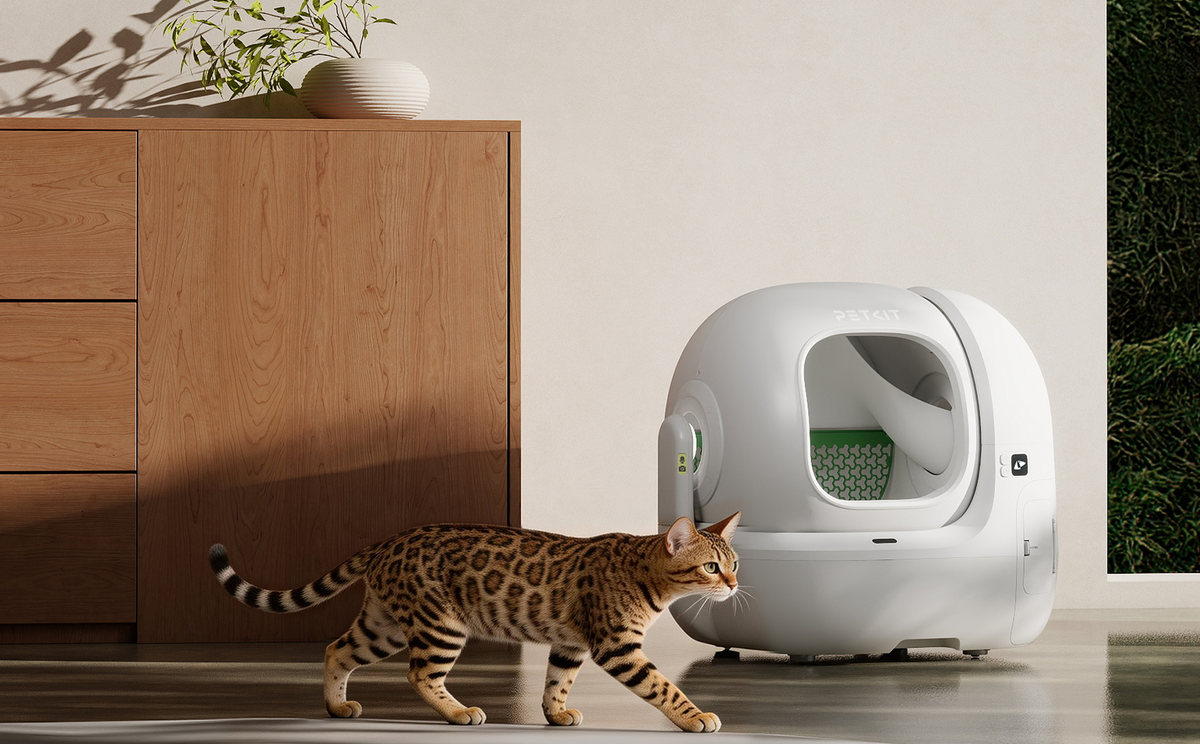
Quick Answer: Cats usually do not poop outside the litter box because they are deliberately making a mess. Instead, a change in pooping location is usually caused by litter box conditions, behavioral preferences, environmental stress, or physical discomfort. Common causes include a litter box that is not clean enough, a litter type or texture the cat does not like, a litter box that is too small or difficult to enter and exit, an unsafe location, resource competition in multi-cat households, and environmental changes such as moving, remodeling, or introducing a new pet.
Why Should You Pay Attention to Where Your Cat Is Pooping?
Where a cat chooses to poop can help determine why it is not using the litter box. Different elimination locations may indicate different behavioral patterns: if the cat is pooping on the floor next to the litter box, the litter box itself should be checked first; if the cat is pooping in random places, it may have developed a location preference; if the cat is pooping on carpet, mattresses, or another specific material, a substrate preference may be involved; If the cat is pooping around the house or pooping everywhere without a clear pattern, litter box resources, inter-cat conflict, environmental stress, and medical causes should be considered.
Why Is My Cat Pooping on the Floor Next to the Litter Box?
If a cat frequently poops on the floor next to the litter box instead of far away from it, this usually indicates that the cat accepts the area but may be dissatisfied with the litter box.
Check the following first:
- Is the litter box clean enough?
- Does the cat like the litter?
- Is the litter box too small?
- Is the entrance too high or difficult to use?
- Is another cat blocking or bothering the cat near the litter box?
If the main problem is litter box cleanliness, an automatic cat litter box can reduce the issue of waste remaining in the box for too long.
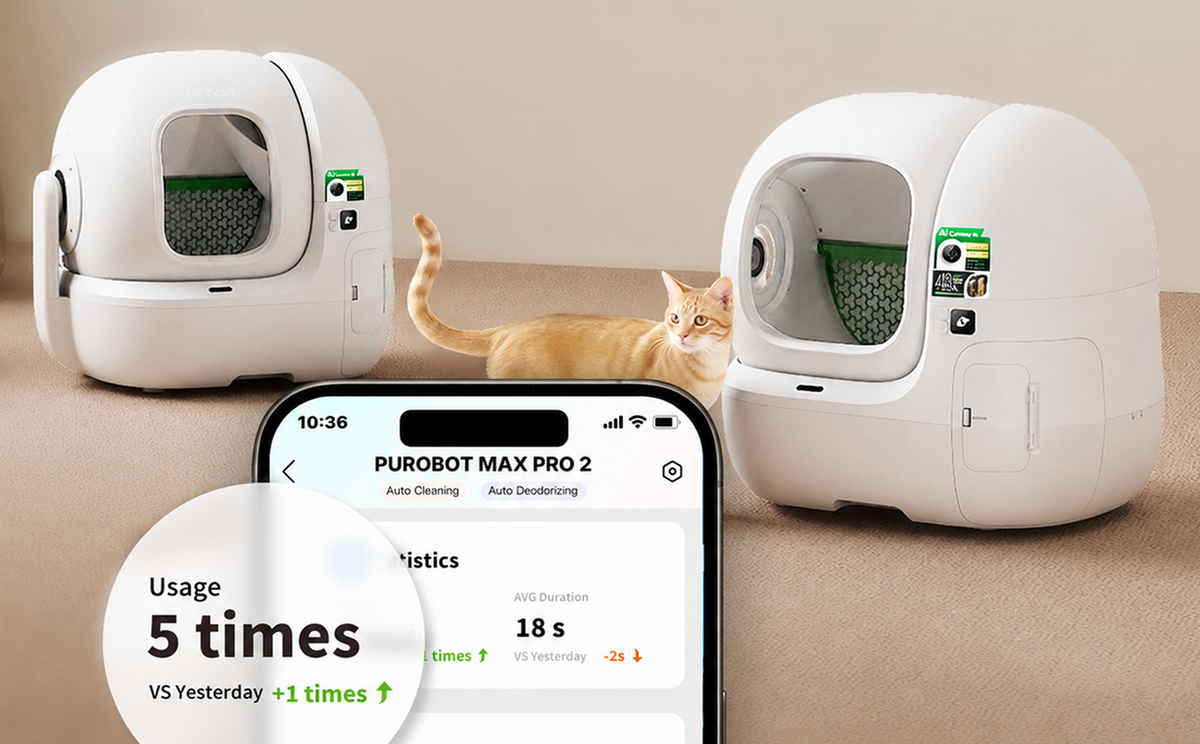
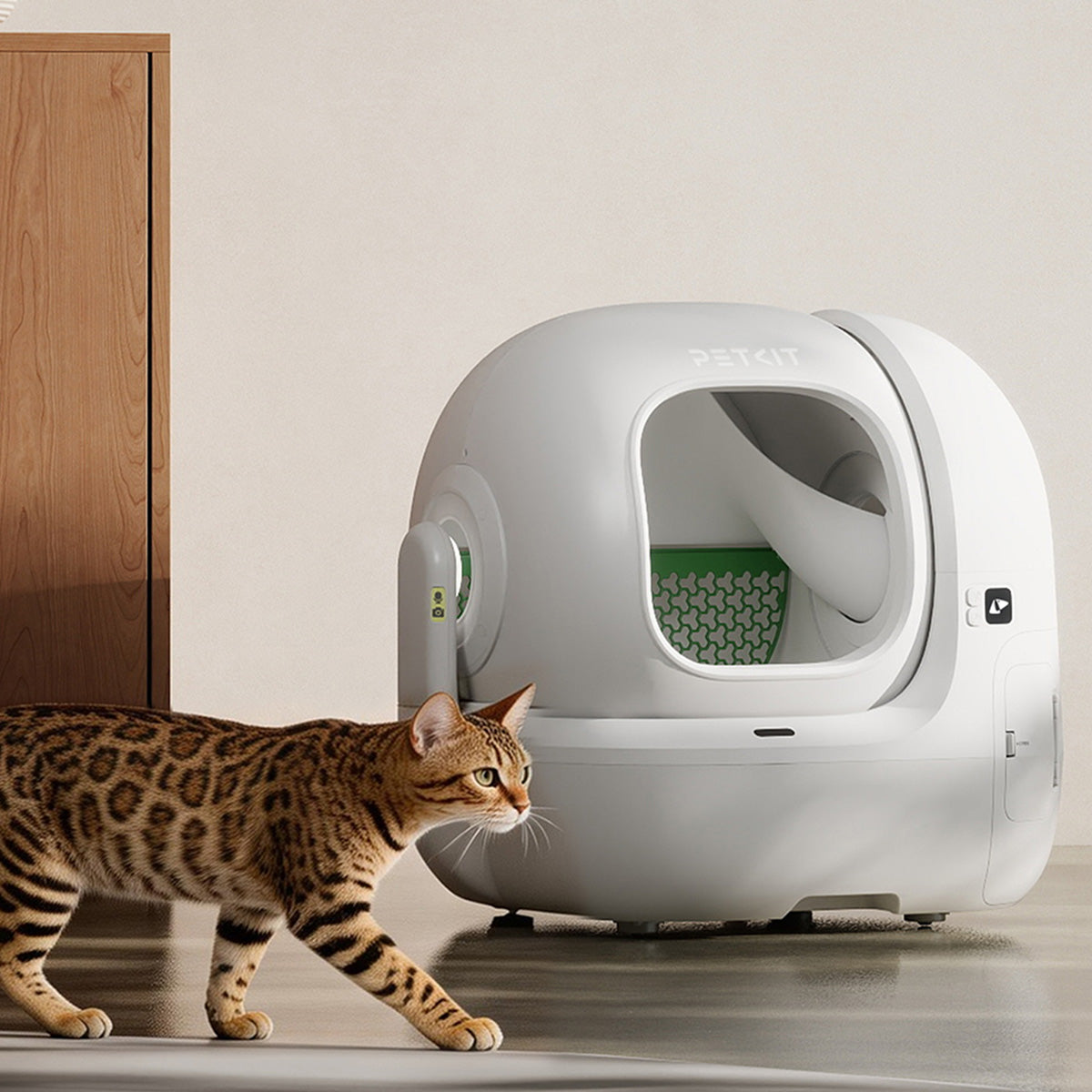
For example, the PETKIT Purobot Max Pro 2 supports automatic cleaning and can automatically clean waste after the cat uses the litter box. This reduces the chance that the litter box will remain dirty because the owner is busy with work, away from home, or otherwise unable to clean it promptly.
Why Is My Cat Pooping in the Same Place?
If a cat repeatedly poops in the same location instead of randomly choosing different places, this is usually more consistent with a “location preference.”
This can happen when a cat has previously pooped in that location and the odor was not completely removed. It can also happen because the cat gradually begins to treat that location as a regular toilet.
The key is not simply to “keep the cat away,” but to:
- Use an enzyme cleaner suitable for pet environments to thoroughly remove residual odors;
- Temporarily prevent the cat from accessing the area;
- Add an appropriate litter box near the original location;
- At the same time, check whether the existing litter box has problems with cleanliness, location, or litter preference.
If a cat has already developed a location preference, simply buying a new litter box may not solve the problem.
Why Is My Cat Pooping on the Carpet?
If a cat always poops on carpet, mattresses, or other soft materials, it may have a “substrate preference.”
Carpet is soft and has a certain texture under the paws, which can be somewhat similar to the fine-grained litter that some cats prefer. If a cat does not like the particles, smell, or feel of its existing litter, it may choose what it considers a more comfortable material.
Check the following at the same time:
- Is the litter too coarse?
- Does the litter have a noticeable fragrance?
- Is the litter depth appropriate?
- Has the litter been changed recently?
- Is the litter box too small or difficult to use?
The AAFP/ISFM guidelines indicate that many cats prefer fine-grained, sand-like, unscented litter, although individual preferences still vary.
If you need to test different types of litter, an automatic cat litter box that supports multiple litter types can make it more convenient to test different options than a device that only works with designated consumables. The PETKIT Purobot Max Pro 2 is compatible with multiple types of cat litter, including clumping bentonite, tofu, and mixed litter.
When testing different litter types with an automatic litter box, check the manufacturer's granule-size limit first — the Purobot Max Pro 2, for example, is not recommended for litter longer than 0.5 in (12 mm), as oversized granules can jam the sifting mechanism.
What Are the Most Common Reasons Cats Poop Outside the Litter Box?
Cat pooping outside the litter box is usually not caused by just one factor. The following factors are the most important to check first.
1. The Litter Box Too Dirty
The dirty litter box is one of the environmental factors that should be checked first.
After a cat uses the litter box, if waste remains in the box for too long, or if the litter box has developed a noticeable odor, some cats may reduce their use of it or avoid it altogether.
The AAFP/ISFM guidelines recommend removing waste from the litter box at least daily and regularly washing the litter box.
Can an Automatic Cat Litter Box Solve the Problem of a Dirty Litter Box?
It can reduce the risk caused by delayed cleaning.
With a traditional litter box, the owner needs to regularly remove feces and clumped urine. If the owner is busy with work or frequently away from home, delayed cleaning can become a reason for the cat to avoid the litter box.
The advantage of an automatic cat litter box is:
Cat uses the litter box → waste is automatically detected → waste is automatically removed → waste is separated from clean litter.
The PETKIT Purobot Max Pro 2 supports automatic cleaning, which can reduce the amount of time waste remains in the litter box.
2. Cat Dislike the Type of Litter
A cat may refuse to use the litter box because it does not like the litter's particles, smell, texture, or depth.
Pay particular attention to these situations:
- You recently changed the litter;
- You switched from unscented litter to scented litter;
- You switched from fine particles to coarse particles;
- The litter depth suddenly changed;
- You started using a strongly scented deodorizing product.
If the cat started having elimination problems after the litter was changed, litter preference should be one of the first factors to investigate.
How Can You Tell if Litter Preference Is the Problem?
You can provide different types of litter in different litter boxes and observe which one the cat actually chooses, rather than changing the litter, litter box, and location at the same time. Otherwise, it can be difficult to determine which variable caused the change.
For households that need to conduct this type of testing, an automatic cat litter box that supports multiple types of litter can make the process more convenient.
3. The Litter Box Too Small or Difficult to Enter
A litter box that is too small, has an high entrance, or does not provide enough interior space may make a cat reluctant to use it.
A cat needs to do more than simply enter the litter box. It also needs to:
- Turn around;
- Dig in the litter;
- Adjust its position for elimination;
- Leave quickly after eliminating.
Large cats, senior cats, and cats with reduced mobility require particular attention to the entrance and interior space.
The Purobot Max Pro 2 has a 10.74" × 10.51" large opening. Compared with the previous-generation PETKIT PuraMax 2, the opening is 43% larger, providing additional support for large cats and cats that have difficulty entering or exiting a litter box.
4. The Litter Box in the Wrong Location
The litter box should be placed somewhere quiet, easy to access, and free from situations where other cats can block the cat.
Common problems include:
- Next to a washing machine or dryer;
- In a busy hallway;
- In a location where doors are frequently closed unexpectedly;
- In a location where other cats can ambush the cat;
- In a location where the cat has to pass another cat to enter;
- In a space that is too enclosed and has only one exit.
This is especially important in multi-cat households. Cats need not only to have a toilet, but also to be able to approach, use, and leave the toilet safely.
Why Are Cats in Multi-Cat Households More Likely to Poop Outside the Litter Box?
In multi-cat households, the problem is often not simply that there are not enough litter boxes. Resource competition between cats may also be involved.
One cat may not directly attack another cat but may:
- Guard the area around the litter box;
- Block the entrance;
- Approach while another cat is using it;
- Make another cat afraid to enter;
- Wait near the exit after the other cat finishes.
Therefore, multi-cat households should consider the number of litter boxes, their locations, and the relationships between the cats at the same time. If you have multiple cats and want to know which litter box setup is right for your household, read this guide to learn how to choose.
How Many Litter Boxes Does a Multi-Cat Household Need?
A common recommendation is: use “number of cats + 1” as a starting point, then adjust based on the cats' relationships, the size of the home, and actual usage.
More importantly, litter boxes should be distributed throughout the home rather than placed right next to each other.
If multiple litter boxes are placed directly next to one another, cats may not perceive them as truly independent resources. The AAFP/ISFM guidelines emphasize that litter boxes should be distributed appropriately according to the home environment and the cats' social relationships.
How Can You Tell Which Cat Is Pooping Outside the Litter Box in a Multi-Cat Household?
One very practical challenge in multi-cat households is that owners often know that “there is a problem” but do not know which cat is responsible for the abnormal elimination behavior.
If there are three cats in the home and litter box use changes, it can be difficult to determine through observation alone:
- Which cat has reduced its litter box use;
- Which cat entered the litter box but did not eliminate;
- Which cat's elimination frequency has changed;
- Which cat may be pooping outside the litter box.
This is where multi-cat identification and individualized elimination records can provide practical value.
The PETKIT Purobot Max Pro 2 is equipped with an AI camera and weight-sensing capabilities and supports multi-cat identification. According to the official product information, it can identify up to 15 cats. This allows owners to associate elimination behavior with individual cats rather than observing only the total data for the entire group.
For example: A household has three cats. All three previously had stable litter box usage patterns, but recently the overall frequency has decreased. Individual identification shows that one cat's usage frequency has declined significantly. The owner can then prioritize observing that cat's elimination behavior, litter box usage, and physical condition.
Can an Automatic Cat Litter Box Help Stop a Cat from Pooping Outside the Litter Box?
It can help reduce some litter-box-related avoidance risks and can also help owners record and identify abnormal behavior, but it cannot solve every behavioral or medical problem.
The role of a smart cat litter box can be understood in two parts:
How Can a Smart Cat Litter Box Reduce Litter Box Problems?
- Automatic cleaning
Reduces the amount of time waste remains in the litter box, helping maintain daily cleanliness.
- Larger entrance and interior space
Reduces obstacles for some large cats, senior cats, or cats with reduced mobility when entering and using the litter box.
- Compatibility with multiple types of litter
Makes it easier for owners to test and adjust litter types to find a material the cat accepts more readily.
How Does the PETKIT Purobot Max Pro 2 Help Stop a Cat from Pooping Outside the Box?
If cat pooping outside the litter box is related to litter box cleanliness, daily management, or monitoring elimination behavior in a multi-cat household, an automatic cat litter box can serve as a useful tool during the troubleshooting process.
Automatic Cleaning
The device automatically handles waste after each use, reducing the amount of time feces and clumped urine remain in the litter box.
This can be particularly helpful for households where owners work long hours or cannot scoop frequently.
The Large Entrance and Larger Interior Space
For large cats and cats that do not like confined spaces, a larger entrance and more interior space can improve the user experience.
AI Multi-Cat Identification
When a multi-cat household experiences abnormal elimination behavior, AI multi-cat identification can help owners associate usage records with individual cats.
This is more useful than simply observing the total number of litter box uses for the entire group—it is more accurate to say that it provides more useful information for troubleshooting.
Elimination Data Help Identify Changes
Continuously recording an individual cat's usage can help owners establish a normal baseline.
For example: A cat normally uses the litter box consistently every day, but its usage frequency has recently declined.
This change is not itself a disease diagnosis, but it can prompt the owner to observe the cat more closely and consult a veterinarian when necessary.
How Should You Deal With a Cat Pooping Outside the Litter Box?
If a cat has already started pooping outside the litter box, investigate the problem in the following order.
Rule Out Medical Causes
If the behavior occurs suddenly, or if it is accompanied by abnormal elimination posture, straining, pain, blood in the stool, or other symptoms, contact a veterinarian first.
Check the Litter Box's Cleanliness
Remove waste at least once a day and perform thorough cleaning regularly.
If the owner frequently cannot scoop the litter box promptly, consider using an automatic cleaning device to reduce the daily cleaning burden.
Check the Cat Litter
Think back to whether the cat started pooping outside the litter box after the litter was changed.
If so, try returning to the litter the cat previously accepted, or provide different types of litter to test the cat's preference.
Check the Litter Box Size and Entrance
Make sure the cat can:
- Enter easily;
- Turn around;
- Dig;
- Eliminate;
- Leave quickly.
For large cats and senior cats, pay particular attention to entrance height and interior space.
Check the Litter Box Location
Place the litter box somewhere that is:
- Quiet;
- Easy to access;
- Free from obstruction by other cats;
- Free from sudden loud noises;
- Somewhere the cat can leave safely.
- Add and Distribute More Litter Boxes
In multi-cat households, do not place all litter boxes in the same room. Increase the number of litter boxes according to the number of cats and the home environment, and distribute them across different locations.
Clean a Place Where the Cat Has Previously Pooped
If the cat has pooped on a carpet, floor, or another location, remove the odor thoroughly as soon as possible.
Simply wiping the area may not completely remove the odor residue that cats can detect. Therefore, use an enzyme cleaner suitable for pet environments and avoid strong cleaning products that may irritate the cat or have an odor that resembles urine.
Track Changes in Your Cat's Behavior
If the problem keeps recurring, record:
- Number of bowel movements per day;
- Where the cat eliminates;
- Appearance of the stool;
- Whether the cat strains;
- Whether the cat enters the litter box and then leaves;
- Which cat shows abnormal behavior;
- Whether the litter was recently changed;
Whether there have recently been changes such as moving, remodeling, or adding a new pet.
If you use a smart cat litter box with individual identification and data tracking, it can reduce the difficulty of relying entirely on manual observation.
Frequently Asked Questions
Why Does My Cat Suddenly Poop Outside the Litter Box?
A sudden change to pooping outside the litter box requires consideration of environmental changes, litter box problems, and medical causes. Especially when the behavior is sudden and accompanied by straining, blood in the stool, decreased appetite, changes in energy, or other abnormalities, contact a veterinarian first.
Why Does My Cat Poop Right Next to the Litter Box?
It could be because the litter box is too dirty. The fact that the cat has already walked to the litter box area suggests that it may accept the location but may not like the litter box itself. First check cleanliness, litter type, size, entrance, noise, and interference from other cats.
Why Does My Cat Always Poop on the Carpet?
This may be a substrate preference. Carpet is soft and has a certain texture under the paws, and some cats may consider it a better elimination surface than their existing litter. Check the litter particles, scent, and depth at the same time.
Is More Litter Boxes Always Better?
Not necessarily. The number of litter boxes should be considered together with the number of cats, the available space in the home, and the relationships between the cats. A common recommendation is to start with “number of cats + 1” and distribute the litter boxes rather than concentrating them in one location.
Do Multiple Litter Boxes Placed Together Count as Multiple Litter Boxes?
Not necessarily. If multiple litter boxes are placed right next to each other, cats may perceive them as one toilet area. Therefore, multi-cat households should pay more attention to whether litter boxes are truly independent resources that cats can safely and easily access.
Can an Automatic Cat Litter Box Prevent a Cat from Pooping Outside?
It cannot guarantee this, but it can reduce some litter-box-related problems. Automatic cleaning can reduce the chance that a litter box becomes dirty because it has not been cleaned for too long; a large entrance and spacious design can improve the experience for some cats; and multi-cat identification and data tracking can help owners detect and identify abnormal behavior. However, if the underlying cause is constipation, pain, inter-cat conflict, environmental stress, or an inappropriate litter box location, an automatic cat litter box alone cannot solve the root problem.
Can a Smart Cat Litter Box Tell if a Cat Is Constipated?
Device data should not be treated as a medical diagnosis. Changes in elimination frequency, weight, stool condition, and other data can provide clues that help owners notice an abnormality, but whether a cat has constipation, gastrointestinal disease, pain, or another medical condition must be determined by a veterinarian based on the medical history, physical examination, and necessary diagnostic tests.
Should I Be Concerned if My Cat Randomly Pooped on the Floor Once?
If it happens only once and the cat's energy, appetite, and bowel movements are otherwise normal, you can first monitor the situation and check the litter box environment. However, if it starts happening repeatedly or is accompanied by straining, pain, blood in the stool, vomiting, decreased appetite, or other abnormalities, contact a veterinarian promptly.
When a cat is pooping outside the litter box, do not first assume that it is “deliberately making a mess.” Instead, consider the elimination location, litter box cleanliness, litter preference, litter box size and location, litter box resources in multi-cat households, and medical symptoms together.
If the problem is caused by a dirty litter box or the owner's inability to clean it promptly, an automatic cat litter box can reduce this risk through automatic cleaning; if the problem occurs in a multi-cat household where the owner does not know which cat is showing abnormal behavior, the AI multi-cat identification and elimination data of the PETKIT Purobot Max Pro 2 can help the owner identify individual changes.