
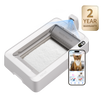
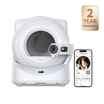


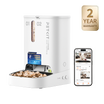
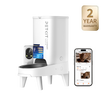
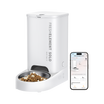
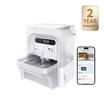
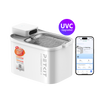
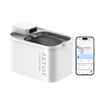


Quick Answer: If you notice that your cat is constipated, you can first help support normal bowel movements by increasing water intake, increasing moisture in the diet, keeping the litter box clean and easy to use, and encouraging moderate activity. For daily health management, PETKIT EverSweet Ultra can help owners monitor a cat's drinking time and frequency. Its SpringFlow design encourages cats to drink more water and helps support adequate hydration. PETKIT Purobot Max Pro 2 can help monitor litter box use and stool changes, especially in multi-cat households, helping owners notice potential constipation-related changes earlier. However, if a cat continues to have no bowel movement and also shows repeated straining, pain, vomiting, lethargy, decreased appetite, or refusal to eat, contact a veterinarian promptly.
What Are the Symptoms of Constipation in Cats?
Cat constipation usually appears as less frequent or difficult bowel movements, and the stool may be drier, harder, or smaller than usual. A cat may repeatedly enter the litter box, stay there for a long time, or strain noticeably but only pass a small amount of stool.
According to a 2001 clinical review by the World Small Animal Veterinary Association (WSAVA), constipation, obstipation, and megacolon can occur in cats of any age, sex, or breed, but are more common in middle-aged male cats around 5.8 years old (approximately 70%). Affected cats usually show reduced, absent, or painful bowel movements. Some cats repeatedly attempt to defecate in the litter box but cannot, while others squat for a long time without assuming a defecation posture. Dry, hard stool may be found both inside and outside the litter box.
Common signs include:
- Repeatedly entering and leaving the litter box
- Staying in the litter box noticeably longer than usual
- Straining noticeably when defecating
- Dry, hard, pellet-like, or noticeably smaller stools
- A bowel movement frequency that is noticeably lower than the cat's usual pattern
- Increased vocalization or signs of discomfort during defecation
- Suddenly defecating outside the litter box
In severe cases of constipation, cats may also show:
- Decreased appetite
- Lethargy
- Vomiting
- Abdominal discomfort
- Obvious pain
It is important to note that if a cat occasionally goes one day without a bowel movement, that does not necessarily mean it is constipated. Each cat may have a different bowel movement frequency, so it is more important to observe whether the cat has clearly deviated from its normal pattern.
How Often Should a Cat Normally Poop?
There is no fixed “normal number” of bowel movements that applies to every cat. A cat's bowel movement frequency can be affected by diet, water intake, age, activity level, health status, and individual differences.
Therefore, rather than simply asking “how many times should a cat poop per day,” it is more useful to establish the cat's own bowel movement baseline and observe whether there are persistent changes.
A prospective study published in 2026 continuously recorded cats' bowel movements for 30 days using a smart litter box and found that even healthy cats can have individual differences in bowel movement frequency. The healthy cats in the study averaged about 1.07 bowel movements per day, but this number should not be considered a standard that every cat must meet.
This study also shows that continuously tracking a cat's own bowel movement habits can make it easier to notice changes such as a gradual decrease in bowel movement frequency than relying on occasional observations.
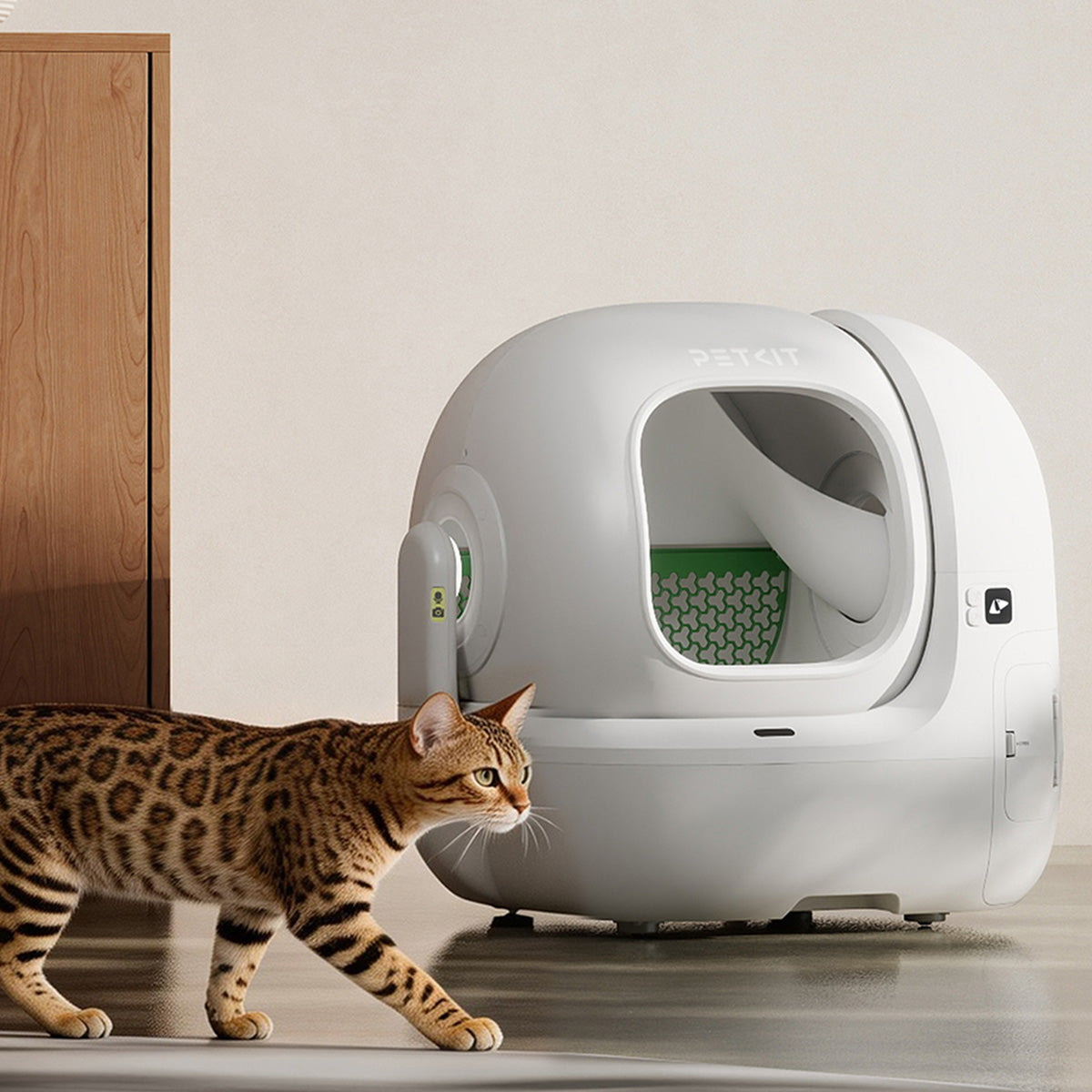
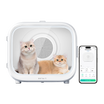
The PETKIT Purobot Max Pro 2 automatic litter box supports multi-cat recognition and can automatically record litter box use for each cat, including time and frequency. Its camera can also capture images and videos of litter box use, including stool and clumps, helping owners better understand each cat's normal litter box pattern. When the data changes, it can help owners notice potential abnormalities earlier.
How Can You Help a Constipated Cat Poop?
For cats that are generally normal in energy and appetite and only show mild difficulty with bowel movements, daily care can first focus on four areas: increasing water intake, increasing moisture in the diet, improving the litter box environment, and maintaining normal activity.
These methods are mainly intended to improve daily factors that may affect normal bowel movements and cannot replace veterinary treatment for a specific underlying cause.
Step 1: Encourage Your Cat to Drink More Water
Adequate water intake is important for maintaining normal stool consistency, and dehydration is one of the factors that can contribute to constipation in cats. This is also an important first step in at-home care.
A cat's colon continuously absorbs water from stool. The longer stool remains in the colon, the drier, harder, and more difficult to pass it can become. A 2003 review by the World Small Animal Veterinary Association also noted that dehydration is a common trigger for simple constipation, which can generally be addressed with supportive hydration through oral fluids, food, or intravenous fluids.
You can try:
- Choosing a smart water fountain with a SpringFlow design to encourage your cat to drink more water
- Cleaning the water bowl regularly to prevent biofilm and unpleasant odors from accumulating
- Keeping the drinking area separate from the litter box
- Paying attention to whether your cat's usual drinking habits have changed
Can a Smart Water Fountain Help Cats With Constipation?
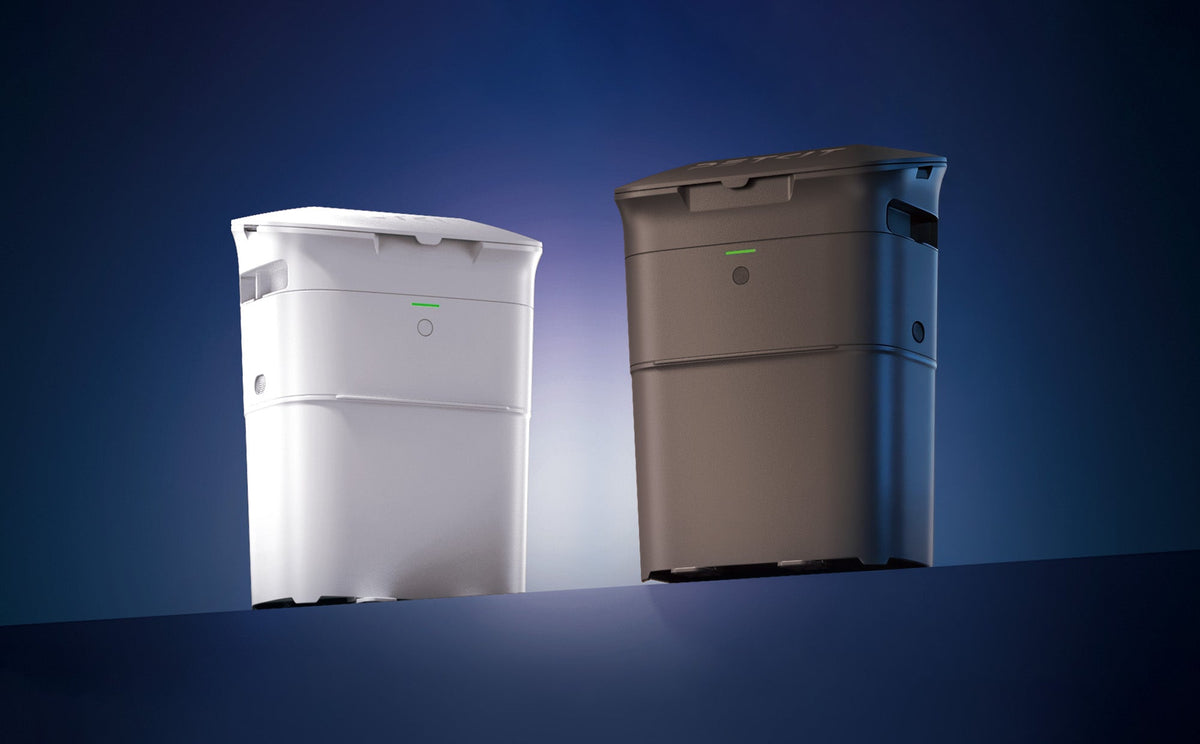
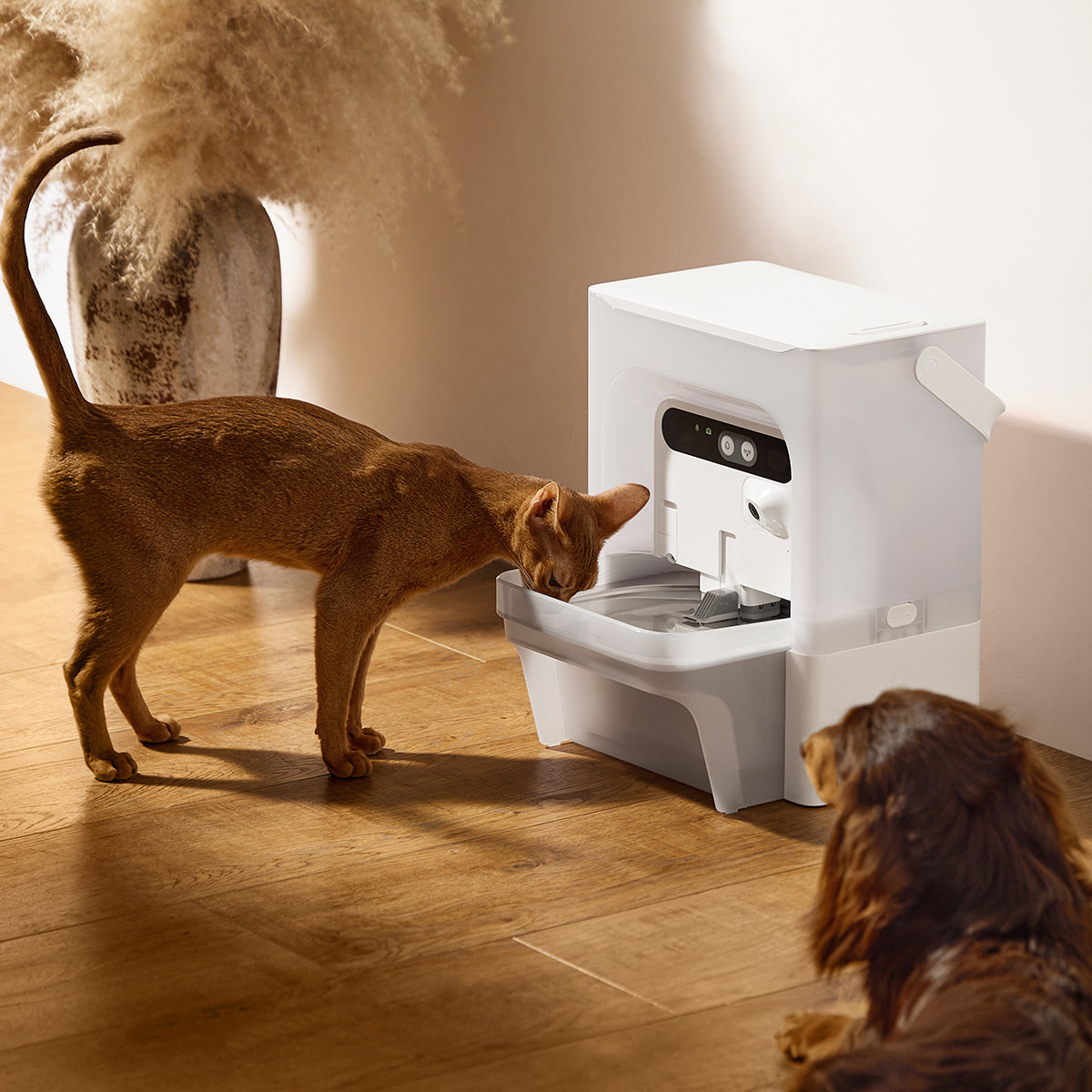
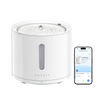
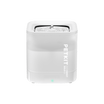
A water fountain cannot treat constipation, but it can provide a more convenient and cleaner source of drinking water. The PETKIT EverSweet Ultra smart water fountain uses several features designed to support cleaner water and help owners monitor drinking habits:
1. OneWay Mechanism with a 5 L clean water tank and 1.8 L waste tank: Water that has already been used drains into the separate waste tank instead of flowing back into the clean water tank, so the water does not continuously recirculate between the clean and waste water areas.
2. AI camera with pet recognition: The camera can recognize individual pets and track each cat's drinking frequency and duration trends. When a cat's drinking behavior is noticeably different from its historical pattern, this can help owners notice the change earlier.
3. SpringFlow: The SpringFlow design provides moving water that can encourage cats to approach the fountain and drink more.
PETKIT describes EverSweet Ultra's water system as a OneWay Mechanism, with fresh water flowing from the clean tank to the tray and used water draining into a separate waste tank. The product also uses SpringFlow with different water-flow modes and AI-powered pet recognition for individual drinking tracking.
Step 2: Increase Moisture in the Diet Appropriately
Gradually transitioning from a mainly dry-food diet to wet or semi-moist food is a more research-supported way to increase a cat's overall water intake than relying solely on changes to its water source.
Dry food typically contains only 6%–10% water, while wet food can contain 70%–80%. Research has shown that gradually increasing dietary moisture within the same basic diet can improve indicators such as urine specific gravity and urine volume. Even though cats eating a drier diet may voluntarily drink more water to compensate, their total water intake can still be higher when eating wet food.
Dietary adjustment suggestions:
- Choose suitable wet food or canned food under veterinary guidance
- If your cat accepts it, add an appropriate amount of water to its food
- Follow the dietary plan recommended by a veterinarian based on your cat's health condition
- Avoid unnecessary sudden changes in food
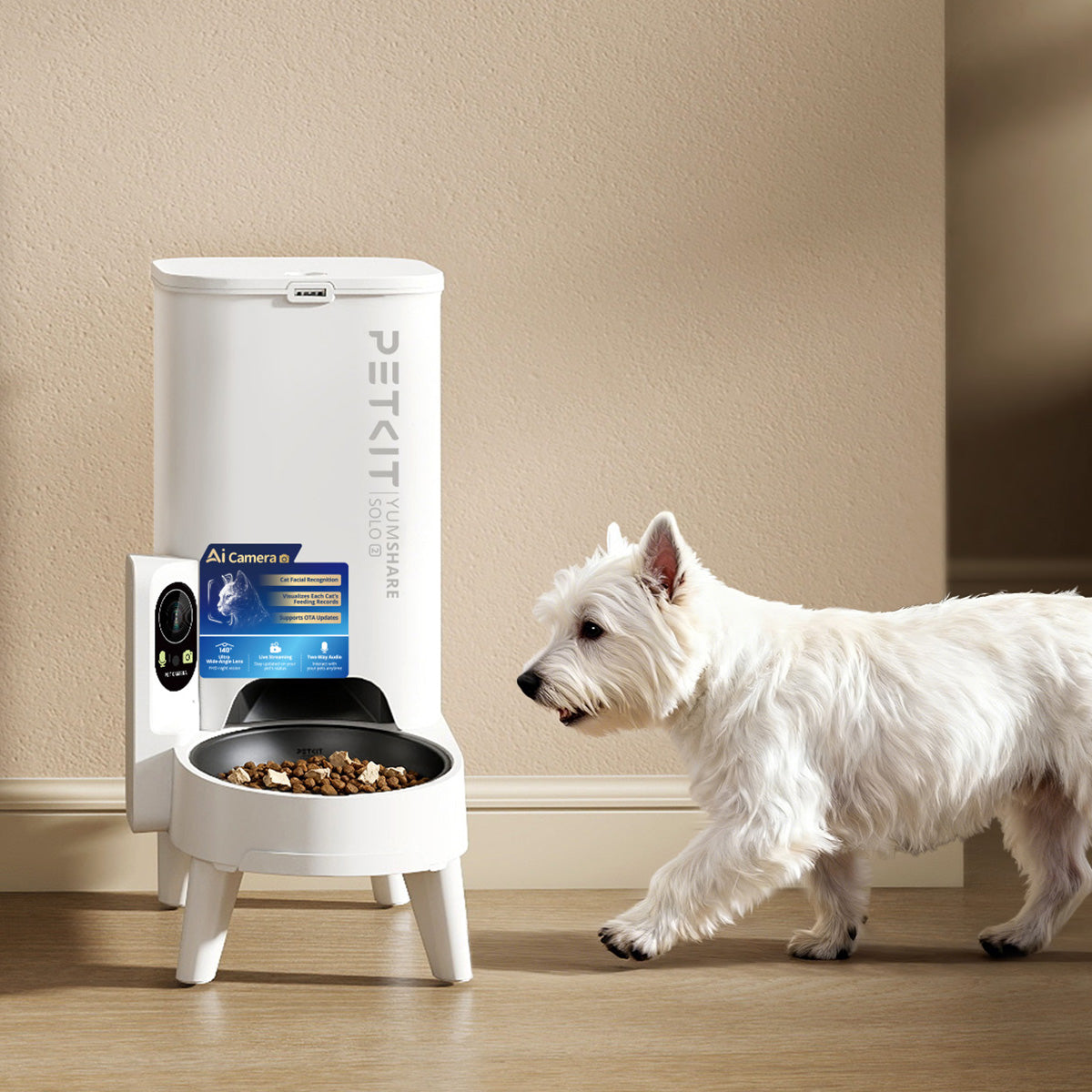
You can also look forward to smart wet-food feeders like the upcoming FOODCHAIN X PETKIT Yumshare Daily Feast — the world’s first AI-powered wet food feeder, developed with PETKIT’s sister brand FOODCHAIN — helps cats develop a habit of eating wet food at regular times and in controlled portions, while meeting their daily dietary moisture needs. NFC recognition tracks when each pouch is opened, and food is dispensed through a UVC-sanitized path into a fresh, food-grade disposable bowl on schedule; if a serving sits out too long, the feeder automatically retracts the bowl before a cat can reach spoiled food, and the used disposable bowl is cleared away and recycled after each meal. An AI camera with multi-cat recognition tracks individual eating behavior, so owners can see who ate, when, and how much — even in a multi-cat household.
Step 3: Keep the Litter Box Cleaner and Easier to Use
Cats may reduce or avoid using the litter box because it is too dirty, in an unsuitable location, difficult to enter, or because they previously experienced pain while defecating. This behavioral avoidance can itself trigger or worsen constipation.
The litter box should ideally:
- Be kept clean, with solid waste removed at least once a day
- Be placed in an easily accessible and relatively quiet location
- Be large enough for the cat to turn around and adjust its posture
- Follow the basic “n + 1” rule for the number of litter boxes
- Use litter that the cat is already accustomed to whenever possible
Can a Smart Litter Box Monitor Constipation in Cats?
A smart litter box cannot diagnose constipation, but the PETKIT Purobot Max Pro 2 can help owners continuously track litter box use and stool changes, making it easier to notice changes from a cat's normal pattern.
1. AI-powered camera with multi-cat recognition and weight sensing: In multi-cat households, the system can distinguish individual cats using facial recognition and weight data and track each cat's litter box use. This includes changes in litter box visit frequency, time spent in the litter box, and other usage patterns. If a cat begins to show a change, such as repeatedly visiting the litter box while passing less stool, the owner may notice the change earlier without having to observe every cat manually.
2. AI-powered camera with stool and clump monitoring: PETKIT Purobot Max Pro 2 can capture images and videos of litter box use, including stool and clump images, helping owners review changes in their cat's health and litter box behavior.
3. Continuous health monitoring: These long-term records can also be shared with a veterinarian during a visit as supporting information. They can help describe a timeline such as “normal bowel movement pattern → change in bowel movement frequency → repeated litter box visits → how long the condition has continued.”
PETKIT's current Purobot Max Pro 2 product information specifically describes multi-cat recognition, weight sensing, stool monitoring, AI-powered camera monitoring, and litter box health data tracking.
Step 4: Encourage Your Cat to Maintain Normal Activity
Maintaining normal activity can help support a cat's overall health and normal daily routine.
If the cat's energy level is normal, you can increase daily activity through:
Short interactive play sessions every day
Using a wand toy
Using puzzle feeders
Providing an environment suitable for climbing and exploration
Maintaining a regular play schedule
However, if the cat is already showing pain, weakness, vomiting, or obvious discomfort, do not try to solve constipation by increasing exercise.
In this situation, veterinary assessment is more important than continuing to try home care.
When Should a Constipated Cat See a Veterinarian?
If a cat has not had a normal bowel movement for 48–72 hours, contact a veterinarian. If the cat also shows repeated straining, obvious pain, vomiting, lethargy, or decreased appetite, seek veterinary help sooner.
It is especially important to note that time is only one factor to consider. A cat's symptoms and changes compared with its normal condition are equally important.
Contact a veterinarian promptly if:
- The cat has not had a normal bowel movement for 48–72 hours
- The cat repeatedly strains but cannot pass stool
- The cat shows obvious pain
- The cat's appetite has noticeably decreased or it refuses to eat
- The cat is lethargic
- The cat is vomiting
- The cat has obvious abdominal discomfort or abdominal enlargement
- Constipation occurs repeatedly
- You suspect the cat has swallowed a foreign object
- You cannot determine whether the cat is trying to urinate or defecate
If the cat is clearly uncomfortable, do not continue waiting for a specific fixed time point before seeking veterinary care.
Frequently Asked Questions About Cat Constipation
How long without pooping is considered constipation in cats?
There is no absolute time standard that applies to every cat. First, observe whether the cat has deviated from its normal bowel movement pattern. From a veterinary-care perspective, if a cat has not had a bowel movement for 48–72 hours, contact a veterinarian. If the cat also shows repeated straining, pain, vomiting, lethargy, or decreased appetite, seek help sooner.
Can cat constipation be treated at home?
If the constipation is mild and the cat's energy, appetite, and activity are generally normal, you can first try increasing opportunities to drink water, appropriately increasing dietary moisture, keeping the litter box clean, and encouraging normal activity. If the cat repeatedly strains, shows obvious pain, vomits, is lethargic, refuses to eat, or has not had a bowel movement for 48–72 hours, contact a veterinarian.
Why does my cat keep getting constipated?
An occasional abnormal bowel movement does not necessarily indicate a serious disease, but recurrent constipation is worth investigating further. Possible contributing factors include insufficient water intake or dehydration, dietary factors such as an imbalance of fiber or food intolerance, hair or difficult-to-digest materials such as hairballs or foreign objects, insufficient activity, painful defecation that creates a cycle of “holding stool because it hurts,” pelvic abnormalities or neuromuscular problems, side effects of certain medications, gastrointestinal obstruction, and megacolon itself.
How can you tell whether a cat repeatedly straining in the litter box is constipated or has a urinary problem?
A cat repeatedly straining in the litter box should not automatically be assumed to be constipated. This behavior is also common with urinary problems, especially urethral obstruction in male cats, which is an emergency requiring immediate veterinary care. Owners can initially observe several differences:
If constipation is more likely, there is usually no material in the litter box or only a small amount of dry, hard stool. The cat may assume a posture more consistent with defecation and strain noticeably without producing stool. The abdomen may appear enlarged and uncomfortable when touched, but the cat's overall energy level may still be relatively normal.
If a urinary problem is more likely, the cat may repeatedly enter the litter box but produce little or no urine. The cat may strain in a squatting position without passing a normal amount of urine and may also vocalize in the litter box, repeatedly lick the anal or genital area, or appear noticeably restless or painful.
Can wet food help with cat constipation?
Wet food can increase the amount of water a cat obtains from food and may help some cats. Compared with relying solely on changes to the water source, increasing dietary moisture has more consistent research support for increasing overall water intake. Whether the diet should be adjusted depends on the cause of constipation and the cat's overall health condition, so it is best to consult a veterinarian before developing a long-term dietary plan.
How can PETKIT help owners monitor daily changes in cats and identify constipation risks earlier?
PETKIT cannot directly diagnose constipation (confirmation requires veterinary assessment), but it can help owners objectively and continuously track each cat's drinking and toileting behavior in daily life, making it easier to identify abnormal signals that “deviate from the usual pattern.”
- Drinking side (EverSweet Ultra): It uses a 5 L clean water tank and 1.8 L waste tank with the OneWay Mechanism, helping keep used water separate from fresh water. Its AI camera can recognize individual pets and track each cat's drinking frequency, duration, and trends, helping answer the question, “Which cat's drinking behavior has changed?”
- Litter box side (Purobot Max Pro 2): Its AI-powered camera, multi-cat recognition, and weight sensing help distinguish individual cats in multi-cat households and track litter box use and stool changes, helping answer the question, “Which cat's bowel movement pattern has changed?” Owners can connect these two sets of data to form an observation chain of “change in drinking behavior → change in litter box behavior → deviation from the normal pattern.” When persistent abnormalities are detected, owners can consult a veterinarian promptly and provide objective records with a timeline as supporting information.